
Economy June 30, 2026 06:40 AM

Britain's Grid Needs £89bn in 2030s to Avoid Rising Costs, NESO Warns

Operator raises estimate by more than half as demand from EVs, housing and data centres accelerates

By Priya Menon
Share
Twitter Reddit Facebook LinkedIn

The National Energy System Operator (NESO) says Britain's electricity network will require roughly £89 billion of investment through the 2030s to prevent growing inefficiencies and higher bills. The figure is 53% higher than a 2024 plan, driven by recommended offshore connections, inflation and anticipated demand growth from electric vehicles, housing, industry and AI-enabled data centres.

Britain's Grid Needs £89bn in 2030s to Avoid Rising Costs, NESO Warns
Summarize with
ChatGPT Perplexity Claude Grok Gemini

Key Points

  • NESO estimates roughly £89 billion will be required for the power grid during the 2030s, a 53% rise on a 2024 plan - impacts energy and utilities sectors.
  • Network fees make up about 25% of a typical domestic electricity bill, linking grid investment decisions to household energy costs - impacts consumers and retail energy markets.
  • Projected demand growth of more than 30% by the mid-2030s is driven by electric vehicles, new housing, industry and AI-enabled data centres - impacts transport, construction, industrial and tech sectors.

The body responsible for coordinating Britain’s electricity system has set out a markedly higher bill for network investment in the 2030s, estimating roughly £89 billion will be needed to avoid worsening inefficiencies and rising costs for consumers.

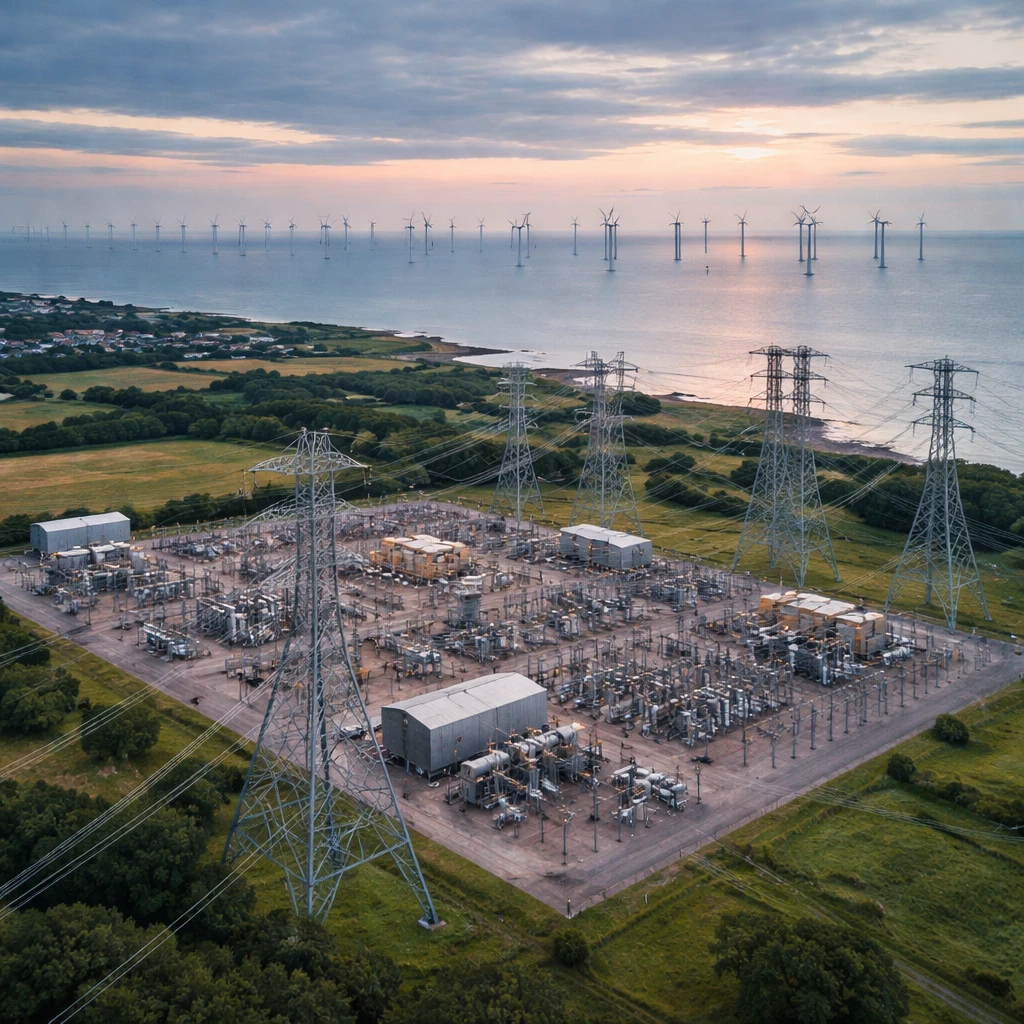
That figure comes from the National Energy System Operator’s most recent assessment and represents a 53% uplift compared with a plan published in 2024. NESO highlighted the need for new transmission links, including an identified £15 billion scheme to connect offshore wind projects in the Celtic Sea to the onshore grid, and said inflation has contributed to the higher tally.

Political pressure is mounting as the government balances ambitions on clean power with the public’s sensitivity to energy bills. The Labour government faces challenges from opposition parties over its clean energy targets while it seeks to reduce energy costs during a period of strained household finances.


How costs reach households

Network charges already make up a significant portion of household energy bills. NESO noted that network fees account for around a quarter of a typical domestic electricity bill in Britain. In practice, the costs of network upgrades are usually determined and ratified by the energy regulator Ofgem before they are incorporated into consumer electricity bills.

Drivers of higher demand

NESO projects demand for power to rise by more than 30% by the mid-2030s. The operator attributes that increase to several factors: the growth of electric vehicles, new housing developments, industrial demand and the proliferation of AI-enabled data centres. These trends inform the scale and timing of the network enhancements NESO recommends.

The operator’s Beyond 2030 report is the source of the updated investment estimate and the accompanying detail on drivers and specific projects. NESO’s assessment frames the scale of work it considers necessary to maintain system efficiency and manage the transition to a cleaner power mix without passing excessive costs to consumers.

Risks

  • Higher network investment could translate into greater charges on electricity bills if regulators approve cost recovery through consumer tariffs - risk to households and retail energy providers.
  • The scale and cost of recommended projects, including a £15 billion Celtic Sea offshore connection, increase exposure to inflation and cost overruns during delivery - risk to utilities and construction contractors.
  • Political pressure around clean power targets and energy affordability may complicate policy decisions and the timing of upgrades - risk to policymakers and energy markets.

More from Economy

Brazil’s gross debt edges higher to 81.1% of GDP in May Jun 30, 2026 BlackRock Pulls Back on Emerging-Market Stocks, Lifts Short- and Medium-Term Euro Bonds Jun 30, 2026 Bank of England warns of cyber risks from autonomous AI agents Jun 30, 2026 India’s Early Fiscal Shortfall Reaches 9.6% of Annual Target in April-May Jun 30, 2026 Japan's Prime Minister Takaichi Heads to India for Annual Summit on Trade and Security Jun 30, 2026