
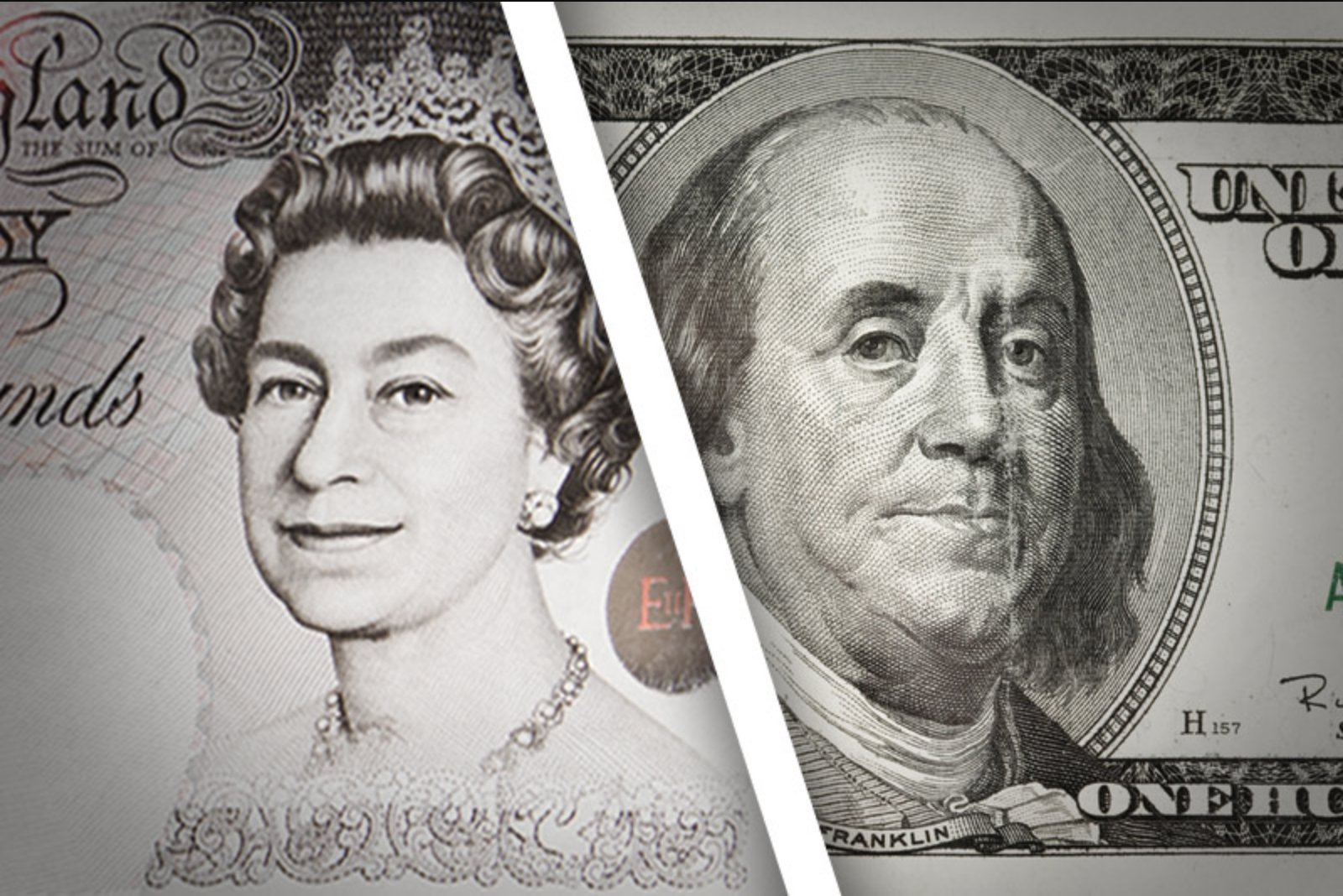
Sterling traded higher on Monday while the euro also posted gains, with currency moves reflecting a softer U.S. dollar rather than any new domestic developments in the UK or euro area. Market participants also remained wary of the latest U.S.-Iran developments, which kept investors cautious even as the immediate price reaction was muted.
At 08:43 ET (12:43 GMT), GBP/USD was quoted at 1.3230, up 0.20%, while EUR/USD reached 1.1403, a rise of 0.17%.
Analysts at ING, led by Francesco Pesole, said the dollar’s rally appeared to be losing steam entering the new week amid uncertainty over the U.S.-Iran re-escalation. Despite military strikes over the weekend, oil prices "has not seen a meaningful bounce," Pesole observed, with investors maintaining the optimistic stance that has prevailed over the past month.
ING highlighted a specific scenario that could prompt a genuine bid for the dollar: any disruption to flows through the Strait of Hormuz. Such a disruption would matter particularly because of what ING described as the limited buffer from "heavily drawn reserves."
On the diplomatic front, U.S. President Donald Trump posted on Truth Social that Iran had requested a meeting with U.S. officials, with talks set to take place on Tuesday in Doha after the two sides agreed to stand down following the weekend’s strikes.
Looking ahead on the economic calendar, ING expects the June payrolls report, due on Thursday, to show employment gains above 100,000 for a third straight month. Pesole said several data releases due before that report - including consumer confidence, JOLTS, ADP and ISM manufacturing - will set the tone for markets.
Pesole also flagged a separate downside risk for the dollar this week: a Supreme Court ruling related to the firing of Fed governor Lisa Cook. He suggested such a ruling could spur renewed concerns about central bank independence. "We feel the dollar has embedded quite a lot of positives of late, and we retain a preference for fading any new rally from here," he added.
Sterling’s gain on Monday occurred with little in the way of fresh UK economic news, and ING attributed the pound’s resilience more to political than economic factors. Labour leadership frontrunner Andy Burnham confirmed in a speech in Manchester that he would create a "No 10 North" operation in the city, calling it the "biggest rebalancing of power" the country has seen, and pledged to maintain "the discipline of our current fiscal rules."
ING noted that the pound had held its recent gains even as Energy Secretary Ed Miliband has emerged as a frontrunner to become Chancellor, which the broker interpreted as suggesting markets see limited risk of fiscal slippage under his potential stewardship.
The broker also sees upside risk for EUR/GBP, targeting a move back above 0.870 this summer. ING judged current market pricing for 25 basis points of Bank of England tightening as "too hawkish."
For the euro, ING does not anticipate any dovish surprises from European Central Bank President Christine Lagarde at the Sintra forum, which runs through Wednesday, ahead of Wednesday’s June flash CPI. The bank expects that print to come in slightly above consensus, at 3.1% for headline inflation and 2.6% for core.
ING’s baseline outlook sees downside for EUR/USD limited to around 1.130, with a gradual recovery toward 1.150 in July if the dollar turns and the ECB delivers another rate hike, which ING expects in September.
Key takeaways:
- Sterling and the euro gained against a weakening dollar, with GBP/USD at 1.3230 and EUR/USD at 1.1403 as of 08:43 ET (12:43 GMT).
- ING highlighted geopolitical risks related to U.S.-Iran tensions and said any disruption to Strait of Hormuz flows could be a major dollar-supporting event.
- Upcoming U.S. data, a Supreme Court decision tied to the firing of a Fed governor, and ECB communications around Sintra and June flash CPI are key near-term drivers to watch.
Sectors affected: Currency markets, oil and energy markets, and government bond markets may be sensitive to the developments described above.