
Two recent foodborne illness episodes connected to Taylor Farms have shed light on a stress point in North American supply chains: the United States now depends heavily on produce from Mexico while regulators are grappling with how to police those imports effectively.
Taylor Farms, the $7 billion supplier to fast-food chains, major distributors and supermarket chains, issued a recall this week for prepared products containing jalapenos after U.S. officials linked a salmonella outbreak that has sickened several hundred people to peppers imported from Mexico. That alert followed a separate, larger cyclosporiasis outbreak traced to iceberg lettuce Taylor Farms brought in from Mexico, an event that has led to more than 6,300 illnesses and two deaths.
The back-to-back public-health incidents have renewed scrutiny of the U.S. Food and Drug Administration's capacity to monitor imported food, experts and analysts say. Agency data show FDA employment fell by 22% in 2026 compared to 2024, in part the result of workforce reductions since Donald Trump returned to the White House. At the same time, foreign inspections conducted by the FDA declined by nearly 13% in fiscal 2025, even as the volume of imports continued to grow.
"Without question, the cuts are harmful to food safety," said Jennifer McEntire, founder of the U.S.-based Food Safety Strategy consultancy, adding that the situation is compounded by "having decreased oversight to what’s actually happening as outbreaks occur."
The FDA did not respond to a request for comment.
Growing dependence on Mexican produce
The scale of U.S. reliance on Mexican agricultural exports has expanded markedly over the past three decades. U.S. Department of Agriculture data show that the country imported under $3 billion in agricultural products from Mexico in 1993, the year before the North American Free Trade Agreement took effect. That figure rose almost 1,500% through 2025.
Mexico now supplies more than one-fifth of all U.S. food imports, according to Luis Ribera, an agricultural economy specialist at Texas A&M University. In 2025, U.S. imports of fresh produce totaled $16.1 billion, based on the university's analysis.
"We don’t have to wait for products to be in season for us to consume it year-round," Ribera said. "Having those partners is very important for the affordability of food here in the U.S."
Those same cross-border supply lines, which help keep grocery shelves stocked year-round and contribute to affordability, have also been the origin of periodic outbreaks. Over the last 20 years, U.S. food-safety investigations have traced illnesses to imported Mexican peppers, cantaloupes, cilantro and leafy greens, among other items.
Authorities and researchers investigating these incidents commonly examine irrigation water, on-farm sanitation, and the food-safety controls applied across the many small growers, packers and distributors that feed into export channels. While the FDA has imposed targeted safeguards in some areas, exporters, growers and processors in Mexico are already subject to U.S. food-safety requirements when exporting to the United States. Experts note, however, that there is no uniform certification requirement that all Mexican produce suppliers demonstrate safe irrigation water prior to export.
Cristobal Chaidez, a food-safety researcher at Mexico’s National Laboratory for Research in Food Safety, said agricultural water remains a persistent weakness in fresh produce production in Mexico. "During a drought, if a small farmer finds a water source, they might use it even if it’s poor quality," he said, and he added that responsibility for policing supply chains ultimately rests with food companies.
Industry response and regulatory tools
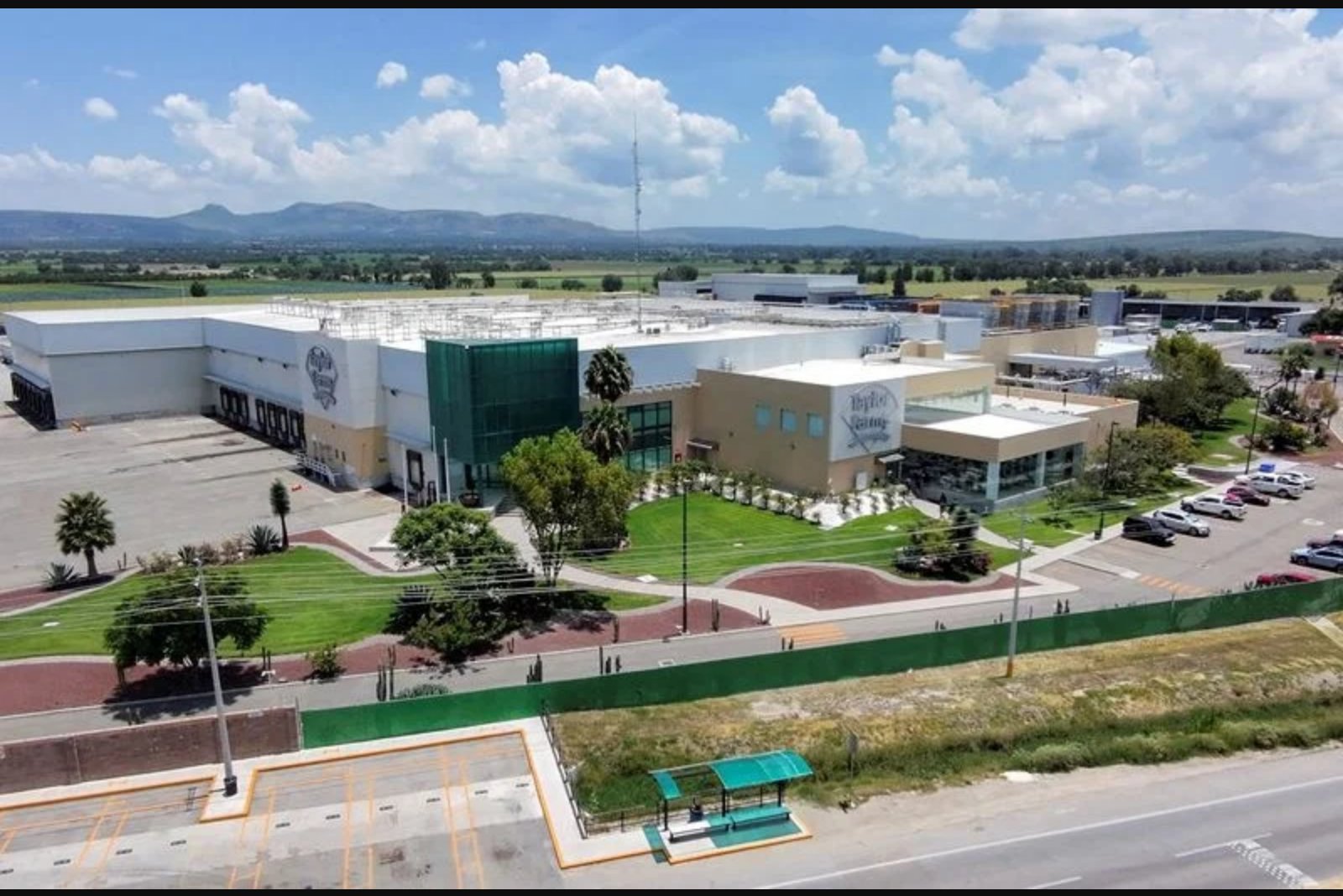
In response to the cyclosporiasis outbreak, Taylor Farms temporarily closed the Guanajuato processing facility that U.S. officials linked to the illnesses. The company said in a statement that its water sources are tested for fecal indicator organisms and that it has "cooperated fully with regulators in any instance where food safety concerns were raised, taking corrective action where warranted."
The cyclosporiasis event involving iceberg lettuce is not the first outbreak associated with Taylor Farms operations in Mexico. In 2013, the U.S. Centers for Disease Control and Prevention linked illnesses at restaurants in Iowa and Nebraska to a bagged salad mix from Taylor Farms' Guanajuato operation.
Historically, the FDA has reacted to repeat illness clusters by placing specific products or entire regions on import alerts. These alerts can require additional testing, tracing, audits or other compliance steps for affected firms. Companies that demonstrate meeting such heightened requirements may be placed on the agency’s so-called green list and thus avoid routine border holds and first-off inspections.
But the green list mechanism does not extend uniformly across Mexican agriculture, and the recent twin outbreaks tied to Taylor Farms and other Mexican produce exporters have prompted debate about whether existing enforcement tools and oversight are adequate for the scale and fragmentation of the supply chain.
McEntire noted that import alerts and green lists are typically used after recurring problems arise and function as one enforcement option rather than a universal standard. "I don’t think that it is the be-all and end-all to produce safety. It doesn’t guarantee that there’s still thorough understanding and execution of these practices," she said.
As the U.S. continues to source significant volumes of fresh produce from Mexico, the recent outbreaks underscore tensions between maintaining year-round, affordable food supplies and ensuring robust preventive controls and oversight to protect public health. The incidents have revived questions about whether current inspection capacity, certification mechanisms and targeted safeguards are sufficient to match the scale and complexity of the cross-border produce economy.
Summary
Two foodborne illness outbreaks linked to Taylor Farms products imported from Mexico - one salmonella event tied to jalapenos and a larger cyclosporiasis outbreak tied to iceberg lettuce - have sickened thousands and renewed concerns about the FDA's ability to oversee imported produce amid staffing cuts and fewer foreign inspections. The U.S. reliance on Mexican produce has grown substantially since 1993, now accounting for more than 20% of U.S. food imports, and industry and regulatory tools such as import alerts and the green list are under renewed scrutiny.