
Dateline: UNITED NATIONS, Sept 22 -
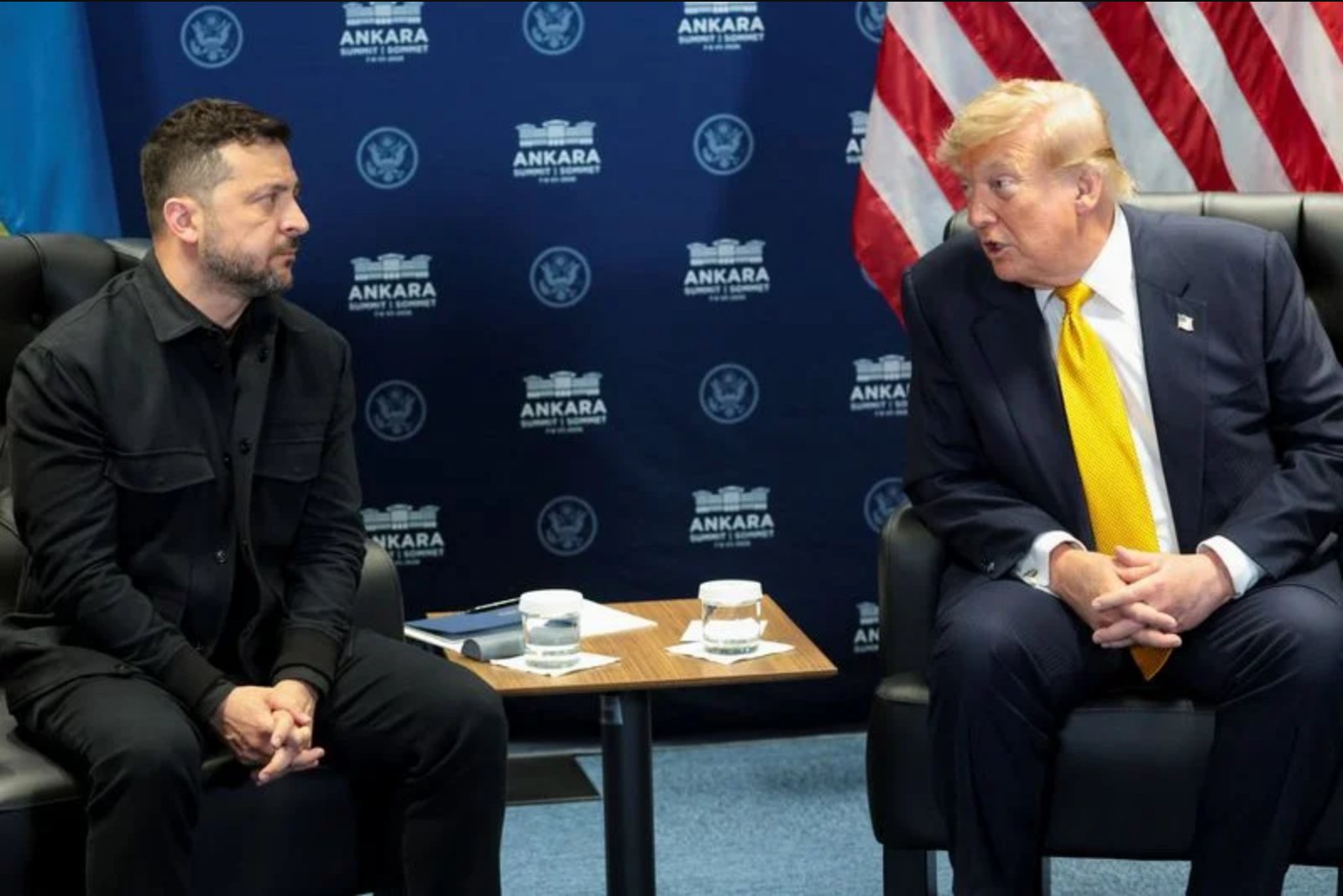
Ukrainian President Volodymyr Zelenskiy is scheduled to meet US President Donald Trump at the annual United Nations gathering in New York on Tuesday to advance a proposal for an energy truce with Russia. The push comes as Ukrainians fear Moscow may step up attacks on heating and power facilities this coming winter after a rise in aerial operations by both sides that have struck ports, warehouses, ships and a range of energy infrastructure, while also crippling exports from the Black Sea.
Following a phone conversation with Trump on Sunday, Zelenskiy said there was what he described as "diplomatic momentum" and "ideas for de-escalation steps," though he acknowledged that Russia - which possesses greater missile firepower - has not indicated it is ready to pause the air war. Writing on X on Monday, Zelenskiy said: "Ukraine’s energy sector, critical infrastructure, and our food exports must stop being targets for Russia, and this will lead to matching de-escalation steps on our part. Solutions are possible."
Trump, whose approval ratings have fallen to a record low amid rising gasoline prices ahead of US midterm elections in November, has publicly voiced concern about damage to Russian oil refineries that Kyiv has struck with drone attacks. Last week Trump said Ukraine and Russia had reached agreement to avoid targeting energy facilities, but any sense of a pause dissolved when Russia struck petrol stations in Kyiv the next day and Ukraine subsequently bombed a Russian oil refinery.
Some critics interpret Trump’s emphasis on the Ukraine conflict as diverting attention from his separate confrontation with Iran, a confrontation that the article notes has contributed to a significant spike in global energy prices. Public market indicators cited around the story show movements in crude oil pricing and related instruments, underscoring the broader market sensitivity to developments on energy infrastructure and supply.
Diplomatic and technical context
Zelenskiy’s encounter with Trump will take place amid a broader diplomatic presence in New York. Russian Foreign Minister Sergei Lavrov is also expected to attend and is due to meet US Secretary of State Marco Rubio on Wednesday. Trump used his Truth Social account on Monday to write that "Russia has unfortunately lost control of its Diesel Oil industry due to its War with Ukraine" and that "the whole World suffers." He added: "This ridiculous and never ending War with Ukraine must be ended."
A person familiar with the matter told reporters that an energy ceasefire was on the agenda and that Trump had asked Zelenskiy to halt strikes on Russian oil refineries as part of a broader de-escalation effort. Kyiv, however, is reluctant to unilaterally suspend attacks, viewing the damage inflicted on Russia’s oil industry as a lever to press Moscow toward negotiations.
Separately, a Ukrainian drone attack on Sunday struck a Moscow oil refinery and killed three people. That attack occurred during a tightly controlled Russian election that strengthened the ruling United Russia party’s hold on parliament. The Kremlin is widely expected to present the election outcome as proof of public backing for President Vladimir Putin’s policies and for the war, according to the information in the reporting.
Uncertain dynamics ahead of the meeting
Political relations between Zelenskiy and Trump have been volatile. Since Trump took office last year and ended large US-funded military aid programmes established under his predecessor, ties have swung between confrontation and conciliation. In February 2025, a meeting between the two leaders reportedly escalated into a shouting match in the Oval Office, while their encounter at the United Nations last year prompted a sudden rhetorical shift in which Trump said Ukraine could expel Russia from Ukrainian territory.
For the meeting on Tuesday, Zelenskiy will also press for ways to secure US-made Patriot air-defence missiles for the winter months if Russia declines to de-escalate, a source familiar with the matter said. The issue of air defences has taken on added urgency because Russia has significantly increased use of jet-powered drones in recent months and, in July, fired the highest number of ballistic missiles at Ukraine in a single month since the start of the war. Those ballistic missiles present a particular challenge because they can only be intercepted by Patriot systems, which remain in short supply.
Summary of the immediate situation
- Both Kyiv and Moscow have stepped up aerial strikes, inflicting damage on energy-related and export infrastructure.
- Zelenskiy is seeking a targeted energy ceasefire with Trump’s support while also exploring options for Patriot missile acquisitions if de-escalation does not occur.
- Efforts to establish a pause on strikes have already shown fragility, with reciprocal attacks following an initial announcement of a truce agreement.
What remains uncertain
- Whether Russia will signal readiness to pause attacks on energy infrastructure - the reporting makes clear it has not done so.
- Whether Kyiv will accept unilateral constraints on its strikes given the strategic pressure it seeks to apply on Russian oil targets.
- The availability and delivery timeline for Patriot air-defence missiles, which are in limited supply and central to intercepting ballistic threats.