
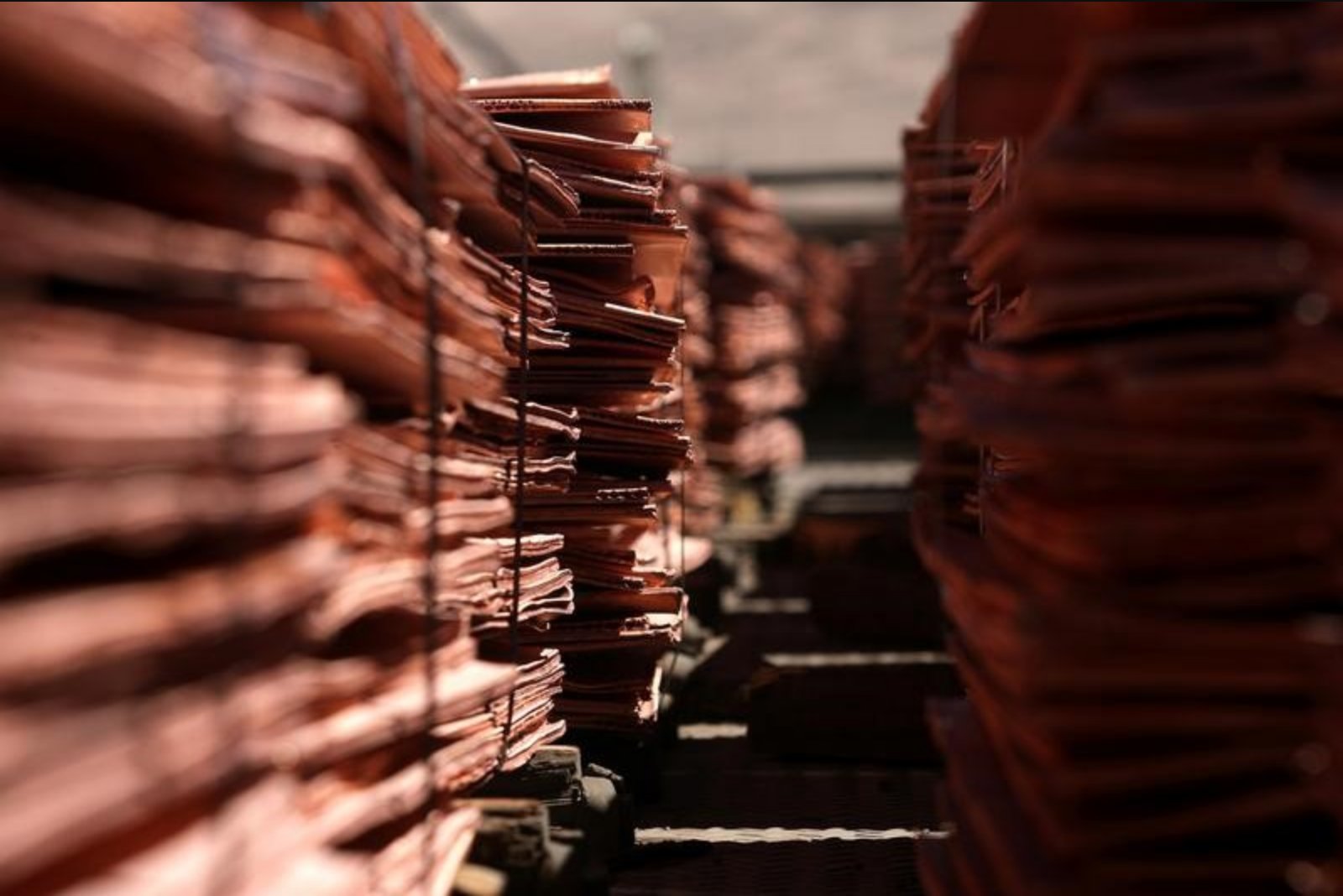
UBS has adjusted its tactical commodity allocations, raising its position in industrial metals to overweight from moderately overweight and reducing its energy weighting to moderately overweight from overweight. The bank's strategists described the latest base metal price pullback as an opportunity to increase exposure, citing tight supplies and robust structural demand across most metals.
In a research note led by Giovanni Staunovo, UBS strategists pointed to several long-term drivers they expect to support commodity prices. They wrote that a combination of rising emerging market demand, global efforts to reach net-zero CO2 emissions, climate change impacts, and structural underinvestment across many sectors should underpin commodity markets in coming years. At the same time, the strategists cautioned that "near-term volatility may persist amid tariff uncertainty and economic growth risks."
"A steady rise in emerging market demand, global efforts to achieve net-zero CO2 emissions, climate change, and structural underinvestment across almost every sector should support commodity prices over the coming years," UBS strategists said.
On the energy front, UBS maintains the view that reopening the Strait of Hormuz and restarting production will take time, which should keep the oil market relatively tight and supportive for prices. Nevertheless, the strategists explained that the recent sharp decline in energy prices has prompted a reduction in the bank's energy allocation from a risk management perspective: "the sharp drop in prices leads us to reduce our allocation from a risk management perspective," they wrote.
Precious metals were left at moderately overweight. UBS noted that the sector has been pressured recently by stronger-than-expected U.S. economic data, higher real yields, a firmer dollar, and reduced market expectations for dovish Federal Reserve policy. Despite these headwinds, the bank highlighted several structural supports for the precious metals complex, including central bank gold purchases, continued diversification away from the dollar, and global debt concerns. Still, UBS said the immediate outlook "looks still skewed toward consolidation."
Agriculture remained at moderately overweight. UBS cited geopolitical and fertilizer-related risks as factors that keep price risk tilted to the upside. The bank also referenced the development of a La Niña-related weather pattern, which it said favors lower average corn and soybean yields in the Americas.
Livestock was kept at neutral. UBS expects prices to "take a breather" for seasonal reasons, while noting U.S. Department of Agriculture data that point to tight fundamentals, including U.S. beef cow numbers at a 75-year low.
Broader positioning stayed constructive for commodities as UBS maintained a high stance on the asset class. The bank said supportive macro conditions and commodity trend signals continue to indicate an attractive risk-reward profile for commodities. Within its collateral portfolio, UBS kept an underweight position on Treasury Inflation-Protected Securities (TIPS), alongside a neutral duration view and a low allocation to risk premia strategies.
Implications for markets and sectors
- Metals: An increased allocation to industrial metals points to greater investor emphasis on mining and materials exposure.
- Energy: A reduced allocation reflects risk management in the face of a sharp price pullback, despite expectations of a tighter oil market from geopolitical disruptions.
- Agriculture and Livestock: Elevated agriculture weighting and neutral livestock suggest selective exposure to supply-driven commodity upside and seasonal price dynamics.