
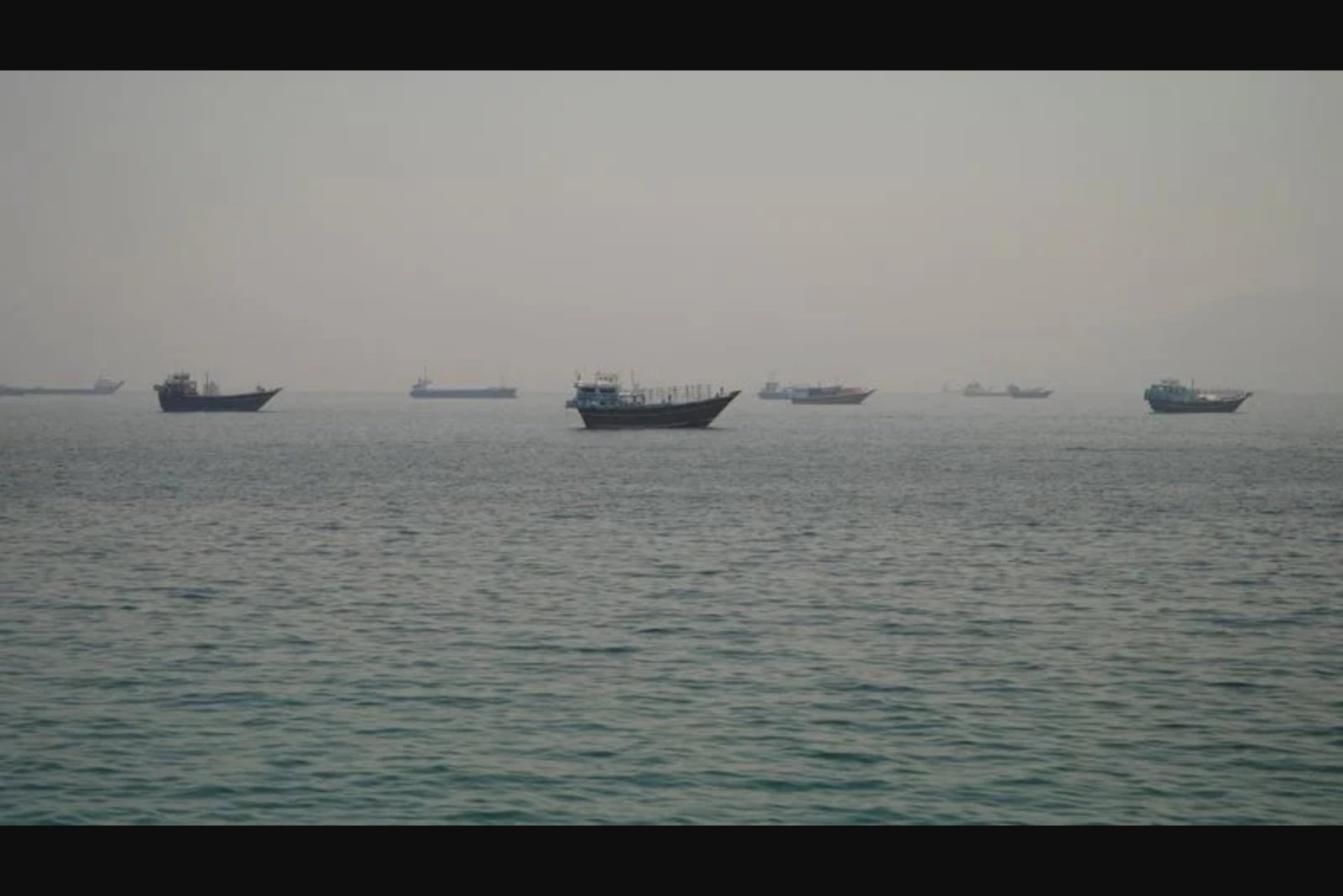
WASHINGTON, June 11 - U.S. President Donald Trump said on Thursday that the Strait of Hormuz would be opened as soon as a "great settlement" of the war in Iran was signed, an event he said he expected would happen within days.
"We just made a great settlement of the war with Iran," Trump told reporters in the Oval Office. "The strait will officially open as soon as we sign, which could be soon, very soon, maybe over the weekend in Europe," he added.
The president said he had recently held conversations with multiple regional leaders. He said he had just talked to Israel’s Prime Minister Benjamin Netanyahu, and had also spoken with the leaders of Qatar, United Arab Emirates, Saudi Arabia, Bahrain, Kuwait and others. He said he would soon speak to Turkey’s President Tayyip Erdogan.
According to the president, the agreement resolved the question of Iran pursuing a nuclear weapon. "Most importantly we have a deal that Iran will never have a nuclear weapon, which was the whole purpose of what we had to go through to get this. So it was a very big thing," he said.
Earlier on Thursday, Trump called off new strikes on Iran, saying "final points" of an initial peace deal had been approved and that details of a signing ceremony would be announced shortly. The cancellation of strikes came hours after the president said the U.S. military would attack Iran for a third consecutive night.
Iran’s semi-official Fars news agency reported that Tehran was likely to approve the agreement though it has yet to give a formal response.
Since mid-March, Trump has repeatedly claimed that a deal with Iran to end the war is close. The two sides have traded strikes throughout the week, a pattern that strained a ceasefire announced in April.
Context and immediate implications
The president framed the reported agreement as addressing the central concern of preventing Iran from obtaining a nuclear weapon and tied the reopening of the Strait of Hormuz directly to the formal signing of the settlement. He described a near-term timeline for the signature, while officials in Tehran had not yet provided a formal acceptance.
What remains unresolved
- The formal approval from Tehran is pending; Fars said approval was likely but no official response had been issued.
- Precise arrangements and timing for a signing ceremony were described as forthcoming, with "final points" reportedly approved.
- Hostilities between the parties had continued in recent days, and the ceasefire announced in April had been strained by strikes traded throughout the week.