
Overview
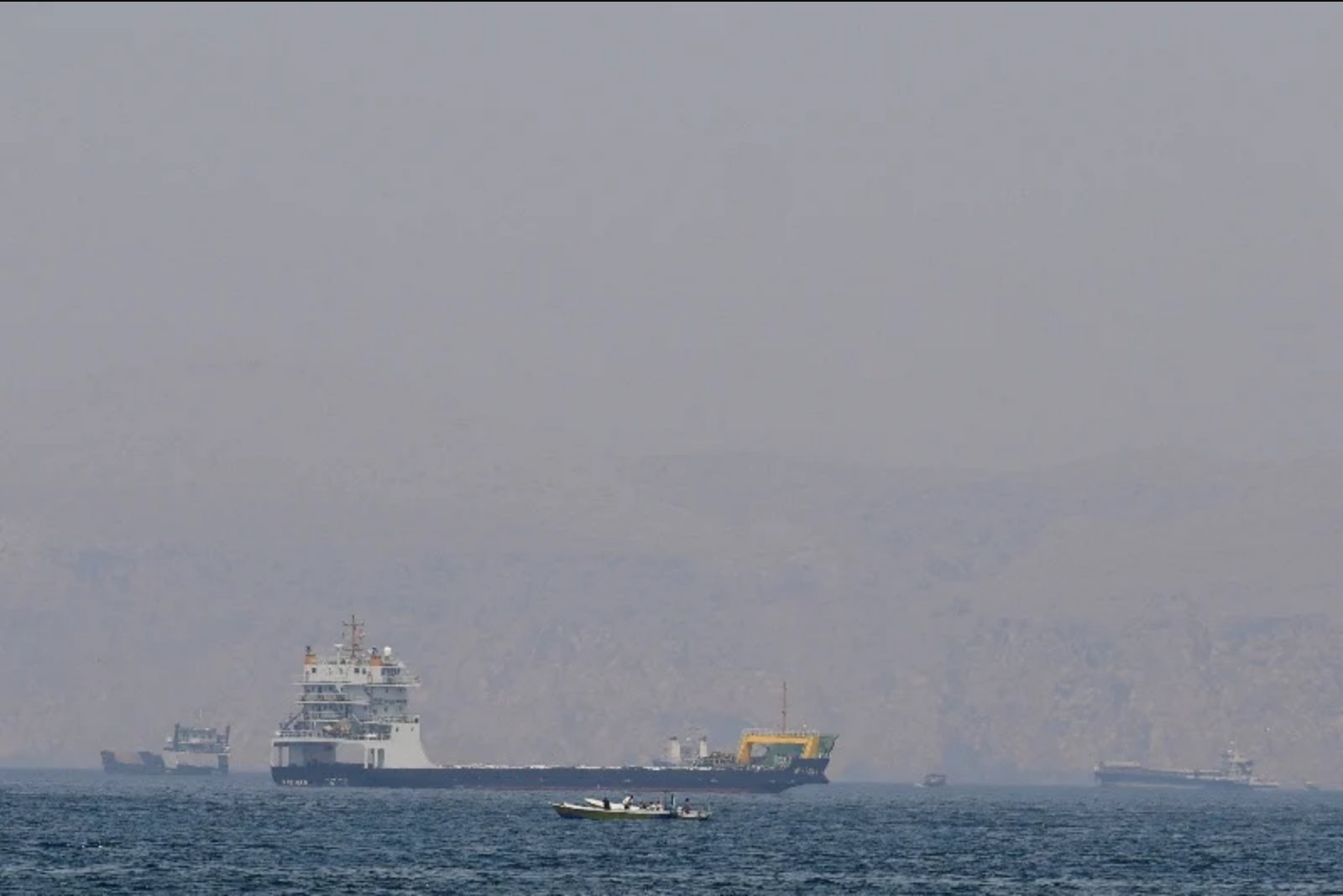
Preliminary shiptracking data released on Monday show a sharp reduction in commodity vessel traffic through the Strait of Hormuz over the recent weekend, with daily transits falling to single digits and remaining well below the 10-day average of 14 vessels per day.
Transit composition
The tracking dataset recorded four vessels leaving the Gulf via the strait over the weekend and ten vessels entering. The departing vessels included a Handysize ship sailing in ballast, a Handy-class vessel carrying liquefied petroleum gas, a Supramax laden with fertilizer and a Suezmax carrying crude or condensate. Vessels entering the Gulf comprised a mini-bulker transporting minor bulk commodities, a Handymax carrying grain, a Panamax loaded with metals and a Supramax with dry bulk cargo.
The dataset explicitly excludes any vessels that may have transited with their Automatic Identification System - AIS - transponders turned off to avoid detection.
Security incidents and infrastructure disruption
Early on Sunday, the United Kingdom Maritime Trade Operations reported that a vessel had been struck by an unknown projectile while transiting the Strait of Hormuz. The UKMTO statement said the status of the crew, the extent of damage and any environmental impact were unknown at the time of the report.
Separately, Saudi officials reported that the East-West oil pipeline in Saudi Arabia - a vital route that has helped ease pressure on the Strait of Hormuz - was temporarily shut down after a drone attack they said originated from Iraq.
Context on traffic volumes
Before the onset of the Iran war on February 28, the Strait of Hormuz typically handled about 125 large commercial vessels per day, a mix of tankers, gas carriers, bulkers and container ships. That traffic was estimated to account for around 20% of the world’s daily crude oil and liquefied natural gas supply.
Related regional transit
In the Bab el-Mandeb strait, separate tracking data showed 24 and 27 commodity vessels transited on Saturday and Sunday respectively, compared with an average of roughly 27 ships over the prior 10 days. Additionally, a U.S. blockade of Iran-related shipping, reimposed in mid-July, has halted Iranian crude oil exports.
Implications
The tracking information documents a pronounced reduction in visible commercial transits through the Strait of Hormuz over the weekend and highlights ongoing security incidents and pipeline disruptions that intersect with regional energy transport routes. The dataset’s exclusion of vessels operating with AIS switched off means actual traffic could differ from the recorded counts.