
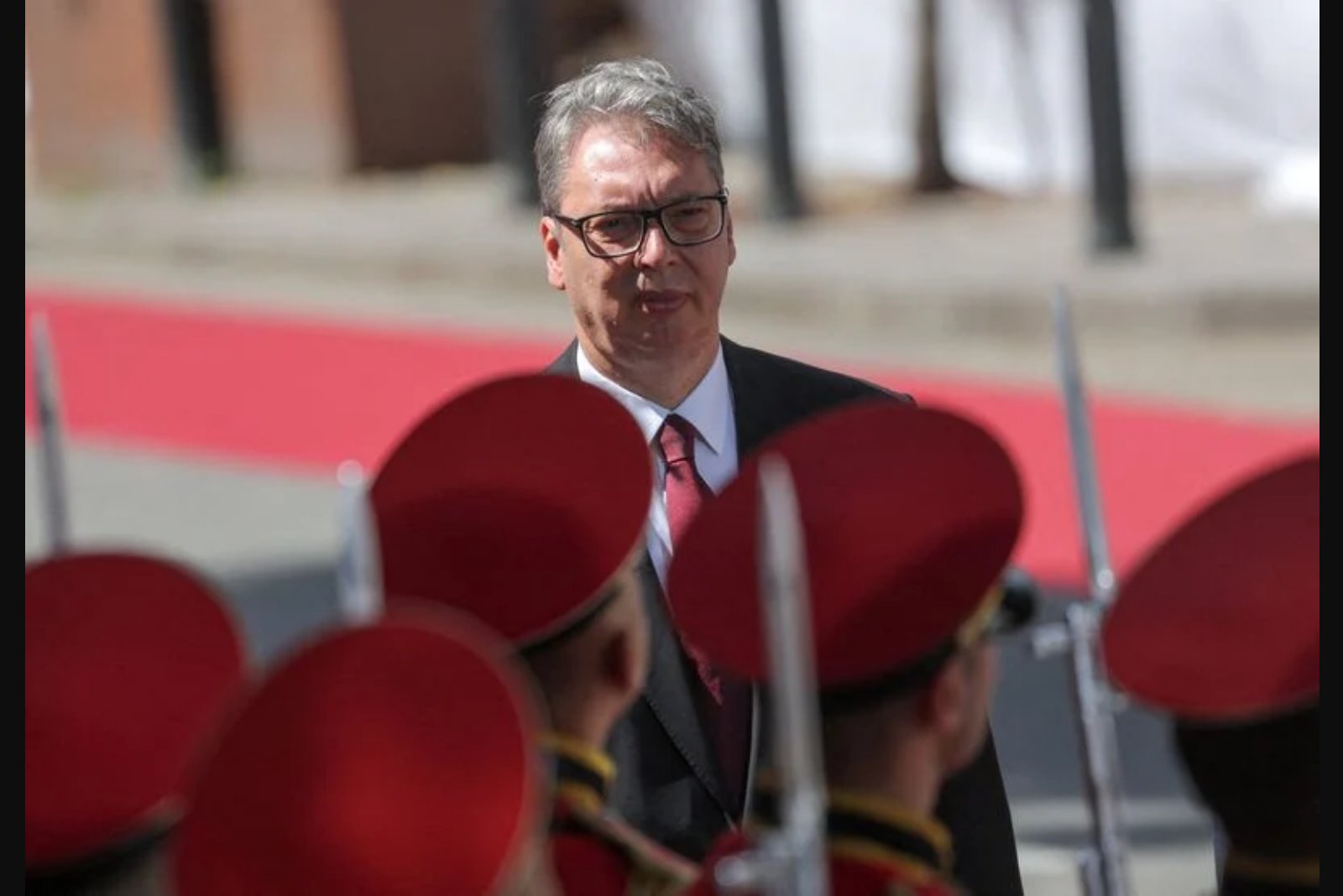
Belgrade - President Aleksandar Vucic told supporters on Saturday that he intends to resign within a matter of weeks and announced plans for early presidential and parliamentary elections. The statement came at a pro-government rally in the capital and follows a prolonged period of anti-corruption protests that have swept the country.
The demonstrations have been led largely by students and have continued for about a year and a half since the collapse of an awning at the Novi Sad railway station, an accident that killed 16 people. In recent days, students in Novi Sad held events to mark those deaths and reiterated demands for snap national elections.
"I will be president for only a couple of weeks, and then I will resign," Vucic said at the rally, addressing his supporters. He indicated he would help the Serbian Progressive Party - his party - in the forthcoming elections, which would include an earlier parliamentary ballot than the one currently scheduled for 2027.
Vucic is serving his second and final mandate, which is due to expire in mid-2027. He did not specify the exact timing of his resignation, nor did he state when he might dissolve parliament - a necessary procedural step to trigger early parliamentary elections.
Opponents, rights groups and protesters have linked the Novi Sad railway station disaster to wider concerns over government oversight. They argue the accident is emblematic of broader mismanagement and corruption in construction projects. Activists from the student-led movement have said they plan to challenge both Vucic and the Serbian Progressive Party in the forthcoming presidential and parliamentary contests.
Context and immediate developments
- Vucic announced his intention to resign within weeks and called for early presidential and parliamentary elections.
- The announcement follows student-led anti-corruption protests lasting about a year and a half after a fatal awning collapse in Novi Sad that killed 16 people.
- Vucic said he will support his party in the elections but did not provide specific dates for resignation or for the dissolution of parliament.
Political dynamics and public reaction
Protesters, opposition groups and rights organizations view the Novi Sad disaster as evidence of systemic problems in oversight of construction projects and as symptomatic of corruption. Student activists have publicly stated their intention to contest the upcoming elections and to challenge the incumbent leadership and its party.
Key uncertainties remain around procedural timing - specifically when Vucic will formalize his resignation and whether or when parliament will be dissolved to permit an early parliamentary vote.