
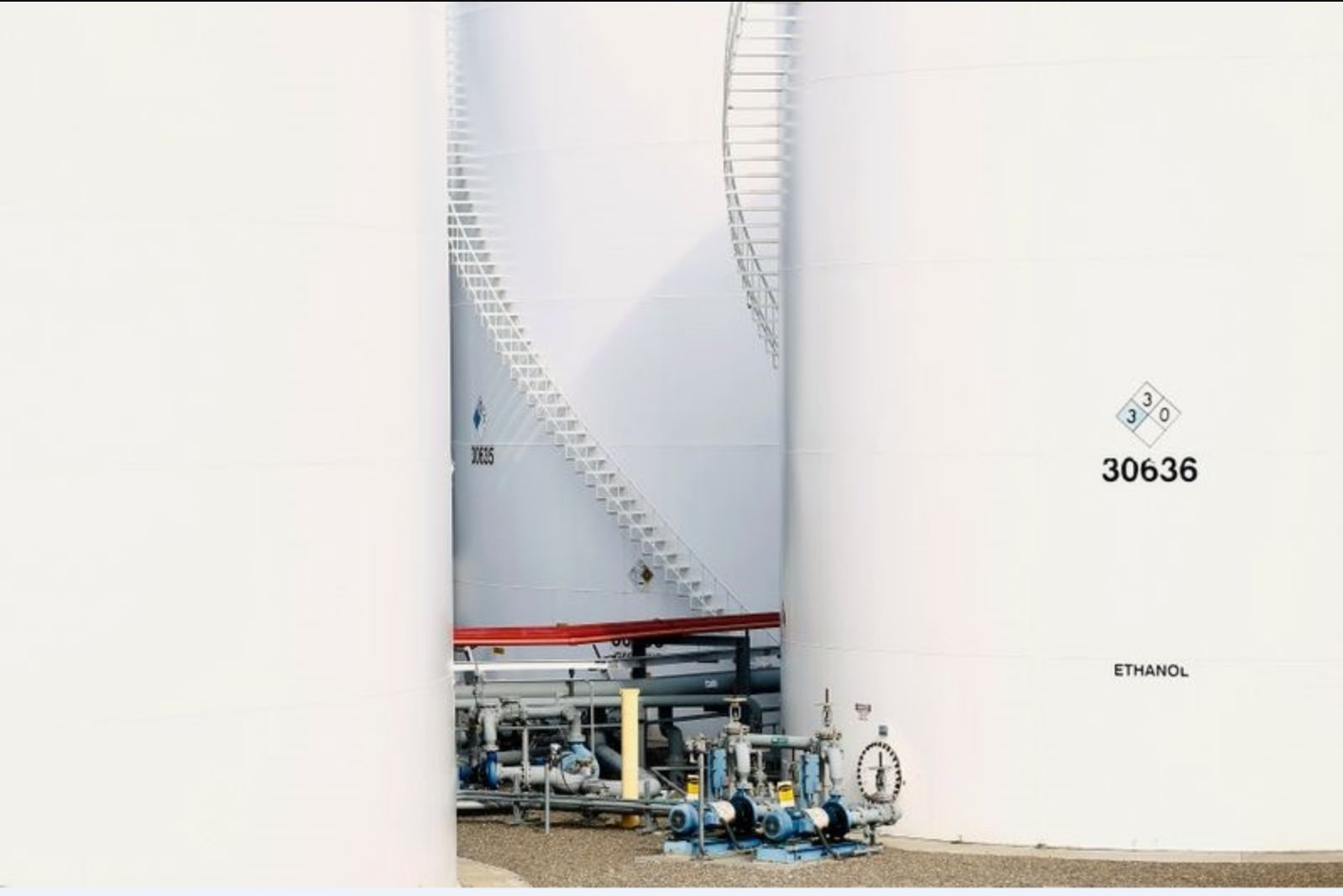
Oil movements are currently dominating investor attention, outpacing the influence of AI-related narratives as markets wrestle with mixed developments in the Middle East. The conflict, now in its fifth month, has produced both reports of tentative mediation and renewed military activity between the United States and Iran - a duality that leaves traders scanning for a durable signal on supply risk.
Brent futures eased back from a one-month high on Tuesday as markets reacted to reports that mediators had presented Tehran with a proposal for a 10-day ceasefire. That development prompted traders to step back from the peak in oil, though observers caution the market has cycled through similar hopes without lasting resolution, leaving open the prospect of another disappointment.
At the same time, Yemen's Iran-aligned Houthis announced they would impose a naval blockade on Saudi Arabia, a move that could amplify oil supply shockwaves should it be enforced. The simultaneous existence of a ceasefire proposal and an expanded maritime threat illustrates the contradictory forces shaping energy markets.
The dip in oil prices helped lift risk sentiment, particularly in Asia, where investors bought heavily into previously hit chip stocks. South Korea's KOSPI rose nearly 5% on the day, a sharp rebound even as the index remains down 19% in July but up 62% for 2026, reflecting lingering unease about the AI trade ahead of a consequential earnings season. Related market indicators include KS11 +4.4%.
Global equities, with chipmakers among the leaders, have experienced heightened volatility in recent weeks. Market participants are expressing concern about lofty valuations, the speed of profit growth, and whether recent investments in AI infrastructure will translate into concrete financial returns.
European futures were 0.3% lower, signalling that sentiment remains fragile as the recent uptick in hostilities has reawakened inflation fears. Those inflationary concerns have contributed to higher bond yields and helped sustain a stronger U.S. dollar, pressuring other asset classes and currencies. Market indicators in focus include GBP/USD -0.36%, BAER -2.63%, NOVN -1.42%, LCO +5.69%, and GB1MT=RR +0.21%.
Political developments in the United Kingdom add another layer of market sensitivity. Britain’s seventh prime minister in a decade, Andy Burnham, confronts a number of immediate challenges ranging from a sluggish economy to questions over fiscal discipline and the macro effects of the Iran war. Burnham said on Monday he would adhere to the previous government's fiscal rules while using any flexibility they allow. That statement was sufficient to trigger a sharp drop in sterling and British government bonds on Monday.
Looking ahead, several scheduled releases and corporate reports could shape market moves on Tuesday. Economic data include UK wage figures for May and July ZEW sentiment survey results for the euro zone and Germany. Corporate earnings due include Julius Baer and Novartis.
Market snapshot: GBP/USD -0.36% | BAER -2.63% | NOVN -1.42% | LCO +5.69% | GB1MT=RR +0.21% | KS11 +4.4%