
Overview
Myanmar’s ruling, military-led government is pushing the United States to significantly deepen re-engagement and quickly increase investment in the country’s rare earths mines, a strategic resource area presently dominated by neighbouring China. Advocates for Myanmar’s information ministry say minerals offer a natural foundation for a renewed relationship between the two countries that aligns with U.S. national security and supply-chain goals.
U.S. outreach and Myanmar’s pitch
In a newsletter published on behalf of Myanmar’s information ministry, the Washington-based lobbying firm DCI Group said: "Ultimately, the United States should treat Myanmar as a critical minerals priority, not simply a diplomatic challenge." The note added that "Minerals are the natural place for this deepening relationship to grow, since they connect Myanmar’s economic potential to U.S. national security and supply-chain priorities."
A U.S. State Department spokesman, responding to a query, said Washington has been encouraging Myanmar to make progress on key priorities including "improving the domestic operating environment for U.S. businesses, and building towards a genuine peace process that stabilizes the country." The spokesman’s comment was provided as part of Washington’s outreach following months of confidential discussions with Myanmar officials and the release last week of a strategy document that outlines how the United States could expand its influence and potentially gain access to Myanmar’s rare-earth deposits.
Where the supply comes from
Myanmar is regarded as one of the world’s principal sources of heavy rare earths. Much of the material mined in Myanmar has been exported to China, where it is processed into magnets and other components used in electric vehicles, wind turbines and a range of high-technology products.
China produces roughly 90% of the world’s rare earth magnets and relies in part on raw material shipped in from Myanmar. In recent months Beijing has moved to tighten state control of its own rare earth sector.
Security and control issues in Kachin
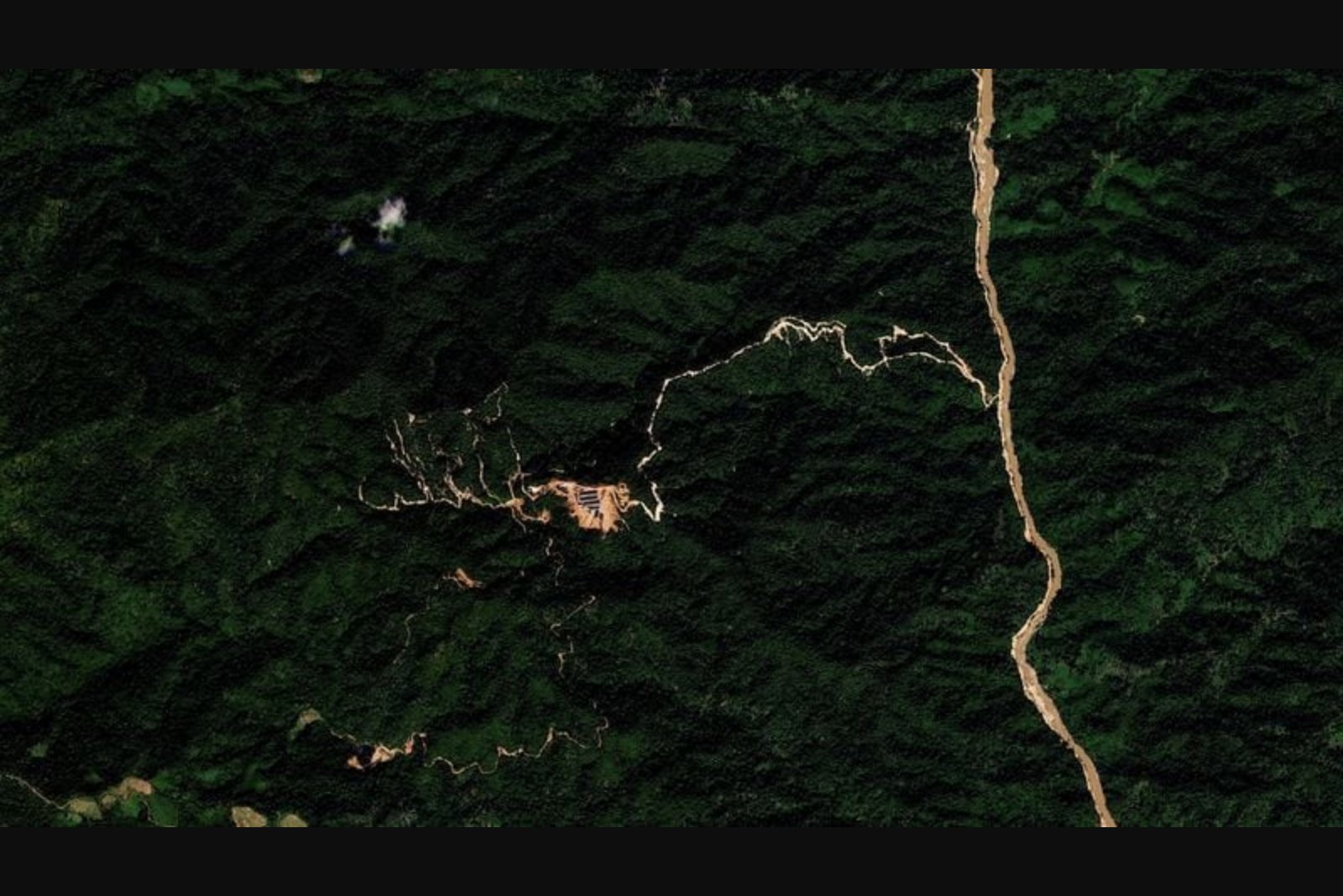
Major rare earths production sites in Myanmar are located in the northern Kachin region and are under the control of the Kachin Independence Army, a long-standing armed group that has been in conflict with the Myanmar military. The Kachin Independence Army is reported to have backing from Beijing, creating a complex operational landscape for any outside investor.
Sanctions, reversal and new strategy
Following the coup in 2021, Washington froze Myanmar’s assets at the Federal Reserve Bank of New York and imposed sanctions intended to isolate the country’s generals. Those measures remained in place until U.S. officials altered course and held direct talks with Myanmar representatives in September.
Under its new approach, Washington aims to secure "at least three major commercial or investment deals valued above $5 million each" for U.S. firms, according to the strategy. DCI Group urged that such a target is limited in scope given Myanmar’s mineral resources and America's stated ambition to compete with China in strategic supply chains, saying: "That is modest, given Myanmar’s mineral resources and America’s stated ambition to compete with China." The lobbying firm noted that China has a multi-year head start in developing its position in Myanmar’s resource sector and that Chinese companies and intermediaries currently hold advantages that will not be easily displaced.
Official responses
The Chinese foreign ministry, when asked for comment, said China and Myanmar are "friendly neighbours and important partners," and that the two countries share a special bond. It added: "China opposes the politicisation of economic and trade cooperation and stands ready to work with the international community to safeguard the stability of industrial and supply chain."
The Myanmar military-led government did not immediately respond to requests for comment.
U.S. domestic policy context
At the same time, rare earths have been elevated as a national security priority within the United States. President Donald Trump has made rare earths a national security priority since returning to office, directing significant funding toward a group of companies in an effort to reduce reliance on Chinese-controlled processing and supply chains.
Implications
The combination of contested control on the ground in Kachin, established Chinese commercial networks and past sanctions that only recently began to be reconsidered by Washington creates a delicate environment for any expansion of U.S. commercial activity. Myanmar’s push to frame minerals as the central pillar for deeper U.S. engagement underscores both the resource potential and the geopolitical friction surrounding access to heavy rare earths.