
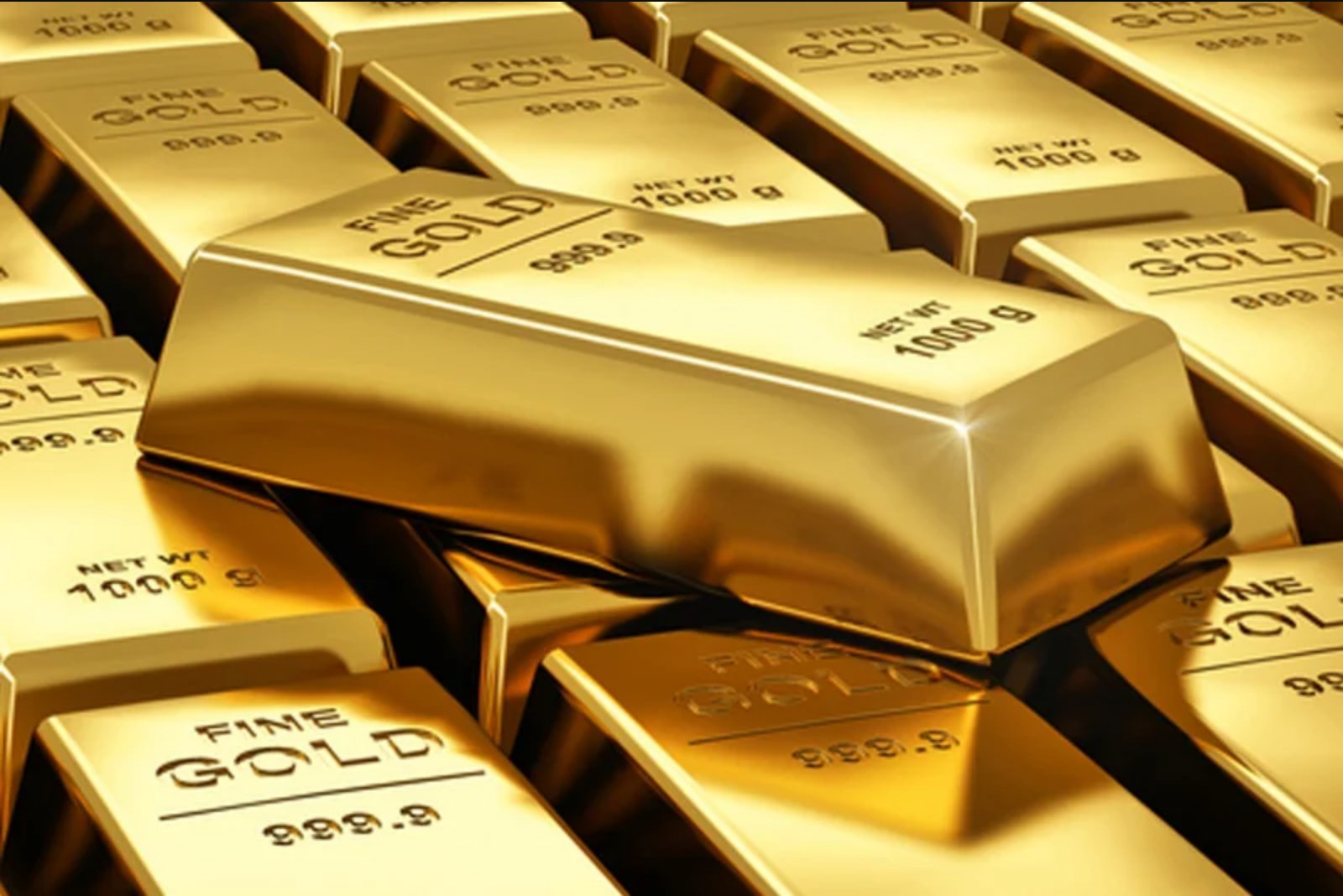
Gold edged higher on Wednesday but remained close to $4,035 an ounce after a notable decline in the previous trading session, as investors digested hotter-than-expected U.S. consumer inflation and more hawkish commentary from Federal Reserve officials that have lifted the likelihood of further rate hikes.
At 19:48 ET (00:48 GMT), spot gold was trading up 0.1% at $4,035.72 an ounce, while U.S. gold futures rose 0.3% to $4,042.95. Other precious metals showed mixed moves: silver slipped 0.1% to $51.5125 an ounce, platinum climbed 0.5% to $1,548.30, spot palladium increased 0.4% to $1,030.28 and palladium futures gained 0.2% to $1,025.50. The U.S. Dollar Index eased 0.01% to 102.24.
Bullion remained under pressure after yesterday's 2.6% drop that followed the U.S. October consumer price index report, which was hotter than market expectations. The inflation print prompted broad market repricing: Treasury yields rose across maturities and a dollar gauge jumped as investors recalibrated the outlook for interest rates.
Market participants are now fully pricing in a 25-basis-point Federal Reserve rate increase at the December meeting. Higher policy rates raise the opportunity cost of holding non-interest-bearing assets such as gold, while a firmer U.S. dollar makes dollar-denominated bullion comparatively more expensive for buyers using other currencies, contributing to selling pressure.
Hawkish statements from central bank officials added to the downward momentum. Dallas Fed President Lorie Logan said she believes the central bank needs to raise rates by at least another 50 basis points, and suggested that increases may need to come at a faster pace than the gradual approach seen in recent months. Fed Governor Christopher Waller also flagged the possibility of a larger, 50-basis-point move at the December meeting, reinforcing market concerns that policymakers could adopt more aggressive tightening to bring inflation down.
Market context and mechanics
The recent CPI surprise and subsequent official comments have driven a reassessment of the interest rate path, with direct consequences for precious metals, fixed income and currency markets. Rising yields and a stronger dollar weigh on gold by increasing the cost of holding the metal and by reducing its appeal to holders of other currencies.
Short-term price action reflected these dynamics: after the initial post-inflation selloff, spot and futures prices saw modest recoveries but remained below pre-report levels as traders continued to position for tighter policy.
Key takeaways
- Gold steadied near $4,035 an ounce after a 2.6% decline tied to hotter U.S. CPI and rising rate expectations.
- Traders are fully pricing in a 25-basis-point Fed hike in December, and comments from Fed officials have increased the possibility of a larger 50-basis-point move.
- Rising Treasury yields and a firmer dollar have directly pressured bullion and influenced other precious metals' moves.
As markets continue to weigh incoming economic data and Fed commentary, price volatility in precious metals, Treasury markets and the currency complex is likely to remain elevated.