
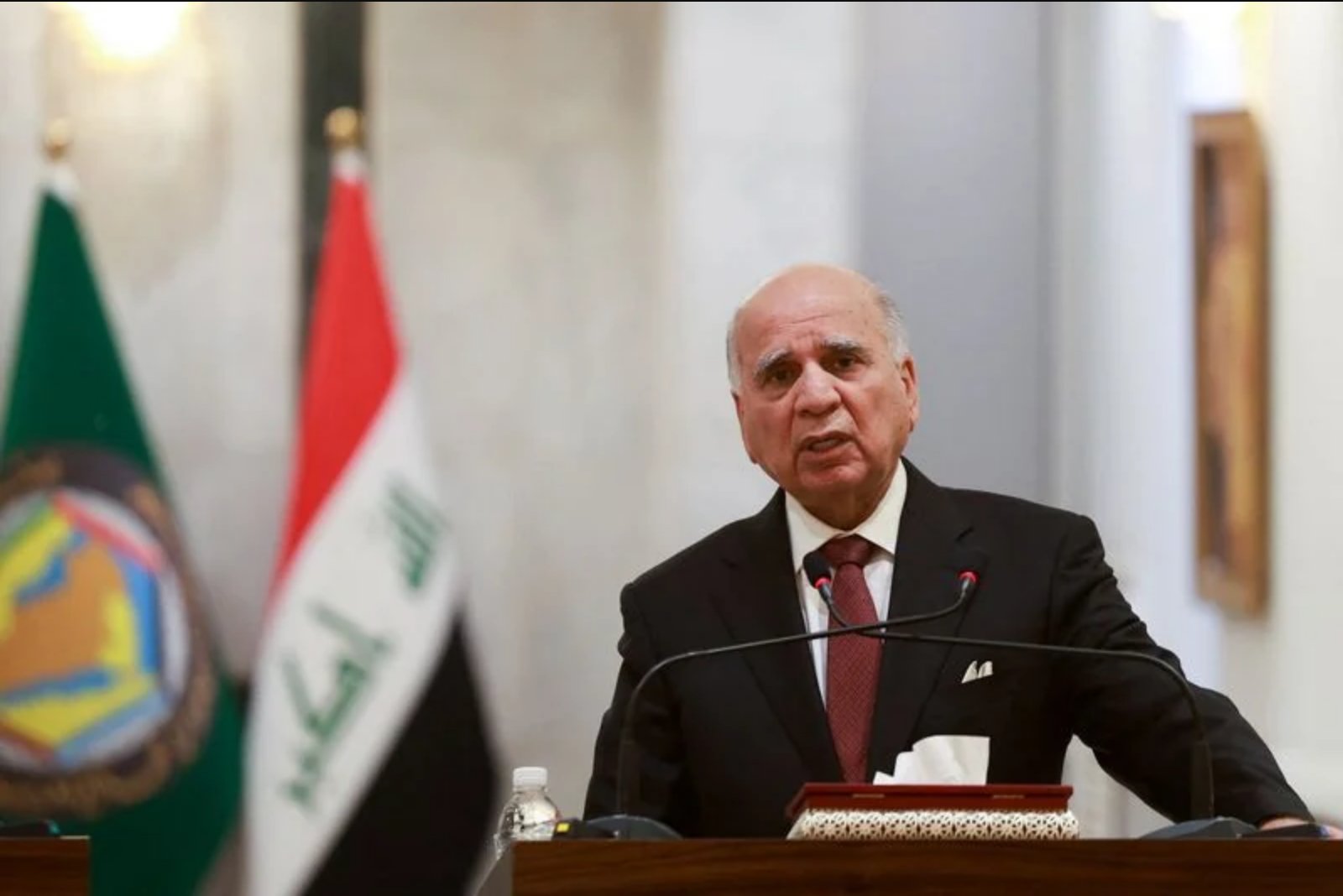
The United States Treasury has asked Iraq to shut nearly all of its border crossings with Iran, leaving only two points of legal transit open, Iraqi Foreign Minister Fuad Hussein said in an interview with Al Jazeera.
Hussein said one of the two crossings that Washington would permit to remain open is located in the Kurdistan region. He described the reality on the ground as complex, noting that Iraq has numerous official and unofficial crossings along its lengthy frontier with Iran.
"There are many official and unofficial border crossings with Iran, and closing all of them would be difficult and would affect our economy," Hussein said, according to the interview. He added that the Americans continue to press for the closures and that Baghdad and Washington are engaged in talks on the issue.
The minister's remarks leave several questions unresolved. The interview referenced queries about which Iraqi sectors are most exposed to any disruption of trade with Iran, and what criteria would determine whether Baghdad accedes to the U.S. request. Those questions were raised in the conversation but not answered in detail by Hussein.
Separately, Iraqi authorities recently moved to close the busy Sheeb border crossing with Iran. That action, taken last month, was described as a security review and a pause to allow installation of detection equipment intended to curb smuggling across the frontier.
Context and implications
Iraq's foreign minister framed the request as part of broader U.S. policy aimed at increasing economic pressure on Tehran. At the same time, Hussein emphasized the practical challenges Baghdad faces in implementing a sweeping closure of crossings, citing the number of both formal and informal points of passage and the potential economic consequences.
The situation remains a subject of active diplomatic discussion between Baghdad and Washington, with specific outcomes and timelines not provided in the interview.