
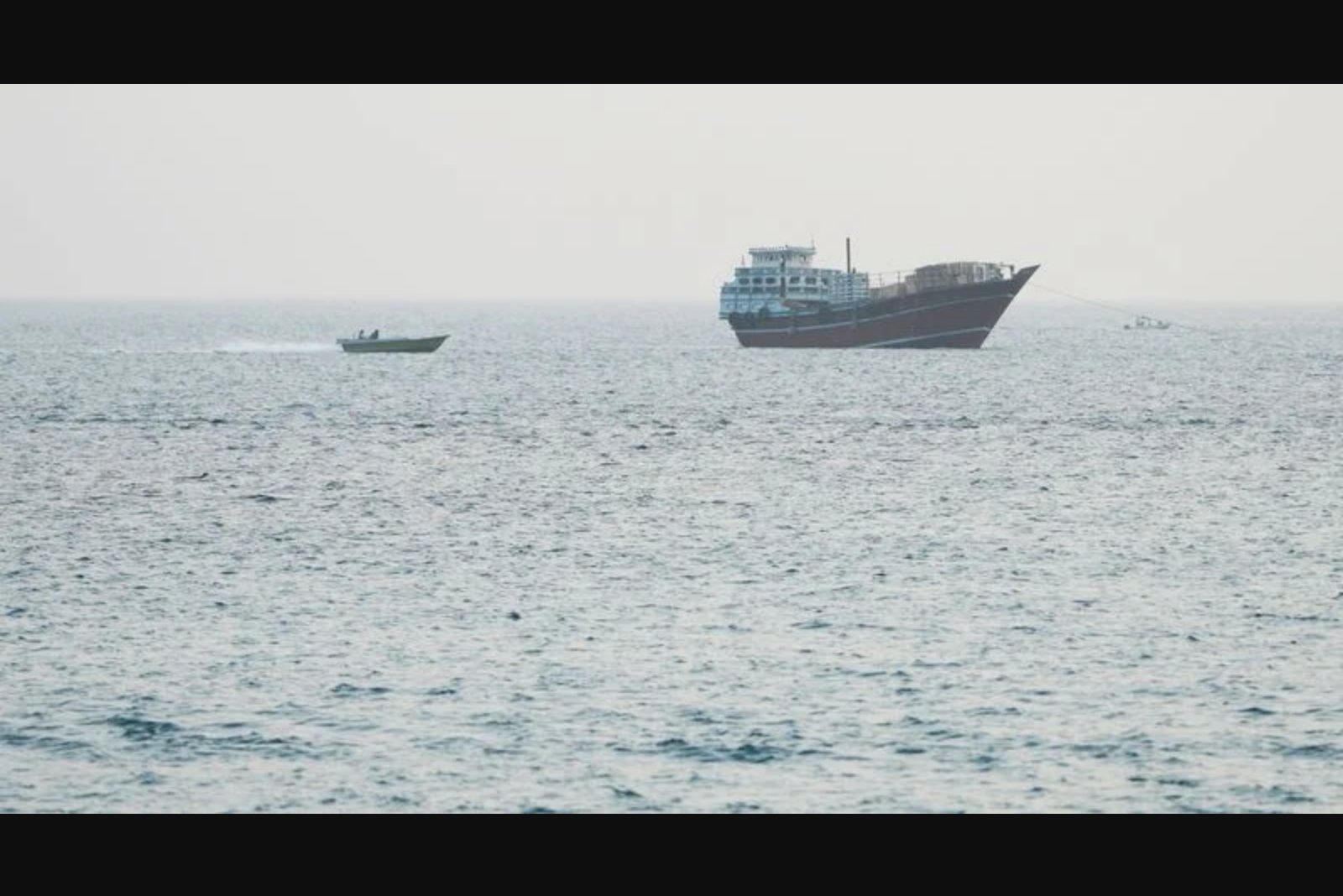
The Islamic Revolutionary Guard Corps (IRGC) said it would close "all other export corridors that benefit the U.S. and its allies" after taking action to shut the Strait of Hormuz, Iranian state media reported. The escalation comes as the United States launched renewed strikes and imposed a naval blockade of Iranian ports.
In a statement carried by Iran’s IRNA state news agency, the IRGC framed the dispute over regional energy flows in stark terms: "Regional energy exports are either shared by all, or denied to all." Analysts have warned that Iran appears to be signalling a possible wider campaign that could involve its Houthi allies in Yemen and target the Bab el-Mandeb gateway to the Red Sea.
The Bab el-Mandeb links the Red Sea to the Gulf of Aden and is a narrow chokepoint through which Saudi oil exports and a significant portion of global shipping transit. A senior Houthi official told Press TV that the group was prepared to close the Bab el-Mandeb Strait if Saudi Arabia continued attacks in Yemen. The Houthi said such a shutdown could push oil prices toward $200 a barrel, according to that report.
Houthi forces said they fired missiles at Saudi Arabia after accusing Riyadh of bombing an airport under Houthi control on Monday, effectively breaking a four-year truce between the kingdom and the Iran-aligned movement. The group has previously demonstrated the capacity to disrupt commerce through the Bab el-Mandeb: after the Gaza war erupted in October 2023, the Houthis attacked commercial shipping in the Red Sea, stating they were targeting vessels linked to Israel in support of Palestinians.
The most recent tensions followed U.S. military statements that it had begun a fresh round of strikes "to continue degrading Iranian capabilities used to attack commercial shipping in the Strait of Hormuz." The U.S. said Iran had attacked seven commercial ships over the previous week, resulting in nearly a dozen crew members being killed, missing or injured.
U.S. Central Command reported late on Tuesday that American forces struck dozens of military targets near the Strait of Hormuz and in Iranian coastal areas. The command said the wave of strikes lasted seven hours and involved targets the U.S. described as linked to Iranian operations against commercial vessels.
The IRGC responded by saying the Strait of Hormuz would remain closed "until the end of America’s evils." In its account, the Guards reported striking what they described as command-and-control, logistics, fuel and military equipment facilities tied to the U.S. Fifth Fleet in Bahrain. They also claimed to have set fire to and destroyed a U.S. logistics facility at Mina Abdullah in Kuwait and struck a U.S. base at Azraq in Jordan, targeting aircraft hangars, saying some U.S. attacks had been launched from bases on Jordanian territory.
Earlier on Wednesday, Kuwait’s state news agency said a fire had been brought under control at a site targeted in Iranian attacks, although it was not immediately clear whether that was the same facility referenced by the IRGC. Jordanian air defences intercepted and shot down three ballistic missiles that entered Jordanian airspace from Iranian territory early on Wednesday, the Jordanian authorities reported.
The renewed hostilities mark a significant unraveling of a fragile ceasefire that had been reached in June after months of fighting that resulted in thousands of deaths. The resumption of direct attacks between Tehran-aligned forces and U.S. operations has intensified regional risk perceptions.
U.S. President Donald Trump publicly threatened to target Iranian power plants and bridges next week unless Tehran returned to negotiations, saying in a Fox News interview he would "save the energy targets for last, but ultimately we’ll hit energy targets." He also said U.S. negotiators had been in contact with Iranian counterparts to urge them to "make a deal."
In a separate move earlier in the week, President Trump suggested imposing a 20% fee on shipping through the Strait of Hormuz, a proposal that drew sharp criticism from international shipping authorities. He later abandoned that idea and said, without offering details, that he would pursue investment agreements with Gulf states instead.
Market reaction was immediate. Oil prices rose on Wednesday after a 2% gain on Tuesday took benchmarks to one-month highs. For the second consecutive session, Brent crude closed at its highest level since June 12, while West Texas Intermediate closed at its highest since June 15. Both contracts moved higher in early Wednesday trading amid concerns that supply disruptions linked to the Strait of Hormuz and further threats to the Bab el-Mandeb could deepen.
Summary
The IRGC announced it could close additional export routes used by the U.S. and its allies after shutting the Strait of Hormuz, while U.S. forces carried out a new round of strikes and imposed a naval blockade of Iranian ports. Analysts see a risk that Iran could leverage Houthi forces in Yemen to threaten the Bab el-Mandeb strait, placing two major oil transit routes at risk and contributing to higher oil prices.
Key impacts
- Energy sector: potential wider disruptions to crude oil and gas flows through Hormuz and the Bab el-Mandeb could tighten supplies and exert upward pressure on prices.
- Shipping and maritime insurance: increased attacks and threats to choke points raise transit risk and may result in higher freight and insurance costs for carriers.
- Financial markets: oil benchmarks responded by rising to month-high levels, reflecting immediate market sensitivity to supply-route disruptions.
Key points
- The IRGC said it would close other export corridors benefiting the U.S. and its allies after shutting the Strait of Hormuz.
- Iran appears to signal it could use Houthi allies to threaten closure of the Bab el-Mandeb, a critical shipping route for Saudi oil and global trade.
- U.S. forces conducted strikes lasting seven hours, hitting dozens of targets near the Strait of Hormuz and coastal areas, and announced a renewed naval blockade of Iranian ports.
Risks and uncertainties
- Escalation risk in sea-lane closures - Closure of the Strait of Hormuz or Bab el-Mandeb would directly affect oil and gas shipments and global shipping routes, increasing volatility for energy markets and shipping sectors.
- Continued military strikes and retaliatory actions - Ongoing strikes by U.S. forces and Iranian responses raise the risk of further damage to infrastructure and loss of life, with consequences for regional stability and investor sentiment in energy and defense-related markets.
- Breakdown of local truces - The collapse of the recent truce between Saudi Arabia and Houthi forces demonstrates uncertainty in conflict dynamics, which could prolong disruptions to trade and energy flows.