
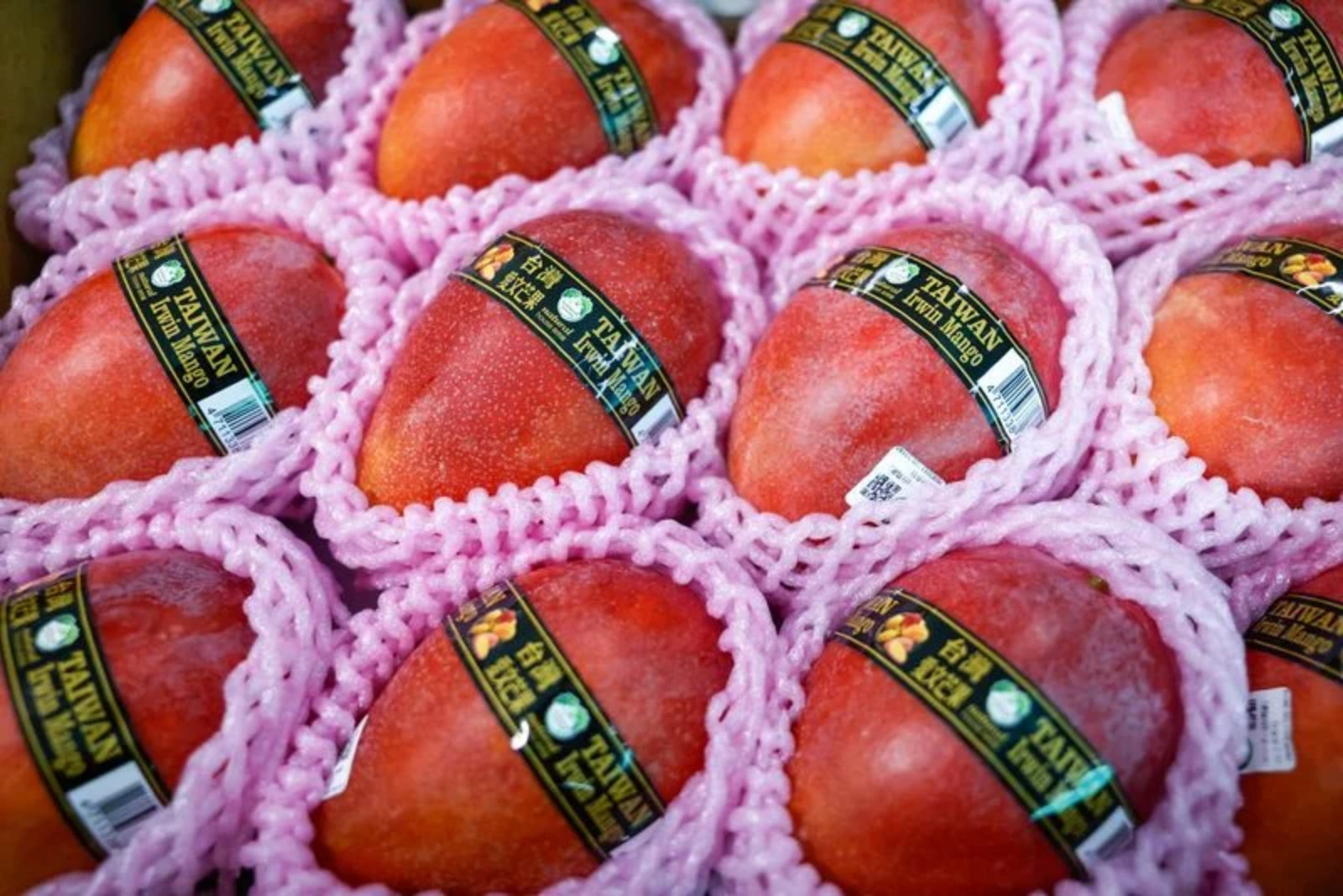
Plump, fragrant and deeply coloured, Taiwan's mangoes are entering European markets for the first time, with early shipments sailing to France and Britain. The move represents a shift for exporters who historically sent the fruit mainly to nearby Asian markets, and it arrives amid rising logistics costs and heightened regulatory scrutiny from the European Union.
From island orchards to European shelves
Although Europe typically sources mangoes from countries such as India and Pakistan, Taiwanese exporters are betting that local taste preferences for sweetness and aroma will allow the fruit to command a premium. David Chen, chief executive of the fruit exporter Natural House Taiwan, described the recent surge in shipping costs, noting that exporting mangoes "has really become extremely, extremely expensive." He added that "It turned out that even though the price was so high this year, people still bought them." The comment highlights how perceived quality can help offset higher prices in international markets.
Taiwan produced more than 100,000 metric tons of mangoes last year, yet only a small portion of that output was exported, with traditional destinations including Japan, Hong Kong and South Korea. The decision to send fruit directly to Europe marks an attempt to broaden the island's export footprint.
Varieties, history and a focus on export compliance
Mango cultivation in Taiwan traces back decades. During the 1895-1945 Japanese colonial period, the island was already exporting produce such as pineapples and bananas. Mangoes became more widely known on the island after the 1960s introduction of the Irwin variety imported from the United States; that variety remains among the most recognised today. Growers in eastern Taitung have also developed and cultivated other varieties, including hybrid Summer Snow mangoes.
You Tsang-fu, who has farmed hybrid Summer Snow mangoes in Taitung for 15 years, described a small trial shipment to Europe this year consisting of five boxes. The shipment had to meet EU requirements, including limits on pesticide residue. "In terms of fruit selection, and also in terms of field management, the EU is stricter than for the domestic market," he said, underscoring the additional compliance burden for producers seeking access to European consumers.
Political backdrop and market encouragement
Government encouragement for fruit exporters to diversify markets has gained urgency amid political friction with China. Taiwan's government and political leaders have pointed to import restrictions imposed by China on certain Taiwanese produce. President Lai Ching-te said China had "weaponised" fruit through import bans that have affected pineapples, custard apples, wax apples and mangoes. China, for its part, has said such bans are for phytosanitary reasons.
Against that backdrop, exporters and growers are pursuing new routes for Taiwanese mangoes, confident that the fruit's reputation for sweetness and aroma will appeal to European consumers. You expressed confidence in the product's marketability, stating: "The best mangoes in Taiwan are Snow Mangoes. Snow Mangoes are the Louis Vuitton of the mango world."
Logistics and market dynamics
The move to ship directly to Europe combines agricultural production with longer-distance logistics. Exporters must balance higher transport costs against potential price premiums driven by consumer willingness to pay for perceived quality. The full extent of uptake in European markets will depend on how consumers respond to the fruit's premium pricing and how consistently exporters meet EU regulatory standards.
Bottom line
Taiwanese mangoes are making their debut in Europe amid rising export costs and tighter regulatory requirements. Growers and exporters point to strong flavour as a competitive advantage that can help offset a higher price point, even as geopolitical tensions and stringent EU rules shape the pathway for expanded exports.