
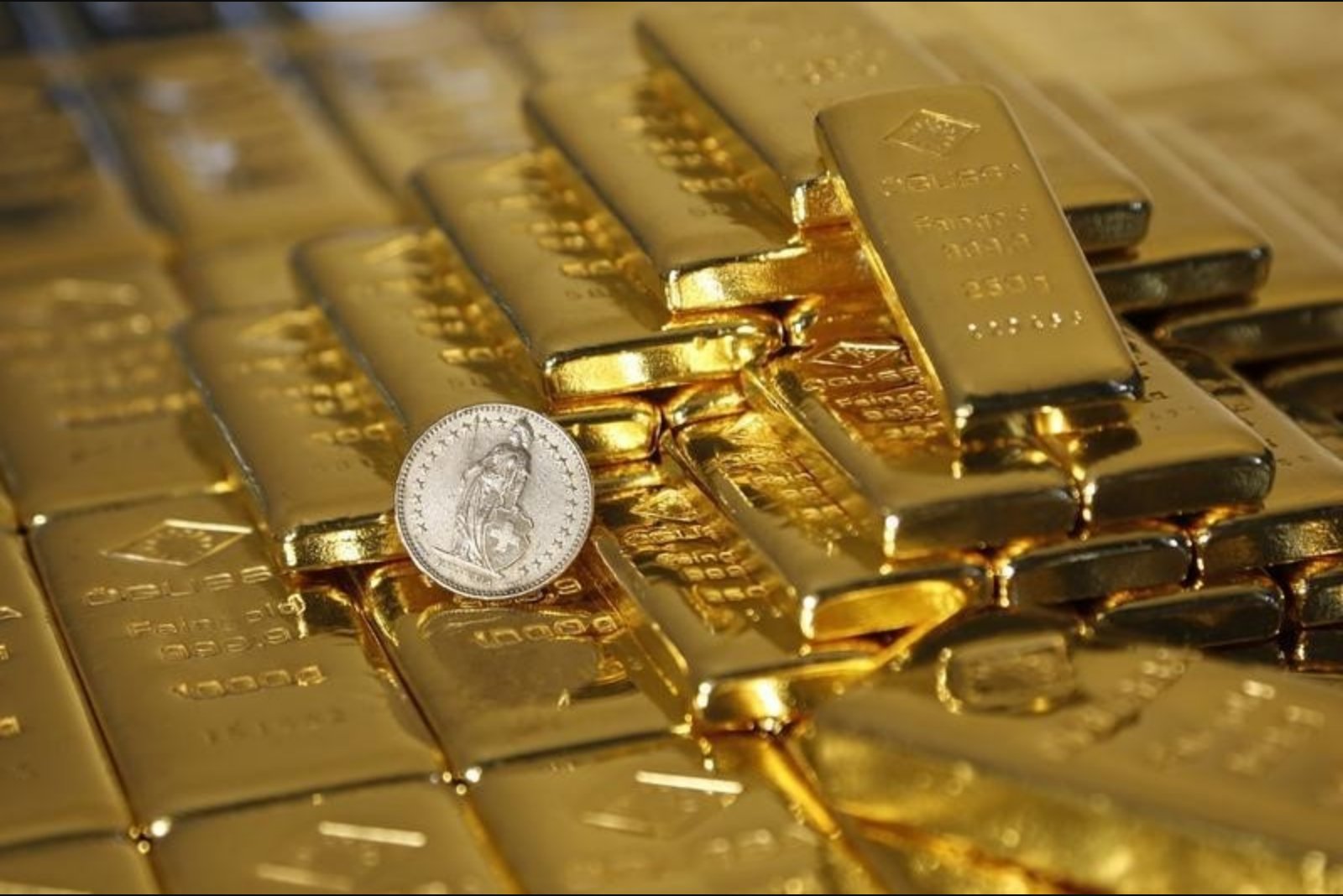
Spot gold declined 1.4% to $4,131.61 an ounce by 23:22 ET (03:22 GMT) on Tuesday, while U.S. Gold Futures slipped 2.2% to $4,151.10. The drop came after bullion had climbed 0.7% in the prior session amid optimism surrounding U.S.-Iran peace talks.
Market participants pointed to a firmer U.S. dollar and rising expectations of tighter monetary policy as central factors behind the pullback in prices. The U.S. Dollar Index remained close to a 13-month high that it reached last week, providing upward pressure on the currency and downward pressure on dollar-priced commodities such as gold.
Policy developments from the Federal Reserve have supported the dollar's strength. Last week's Fed meeting - the first chaired by Kevin Warsh - left interest rates unchanged at 3.50%-3.75%, but updated projections signaled growing support for at least one policy rate increase before the end of the year. Futures markets currently assign about a 90% probability to a rate hike in December, and some investors expect the possibility of more than one increase as policymakers focus on inflation risks.
Higher interest rates reduce the relative attractiveness of gold because the metal does not pay interest, while a stronger dollar makes bullion more expensive for holders of other currencies. Those two dynamics were cited by traders as key reasons for the recent decline in prices.
Geopolitical developments and oil-linked inflation concerns
Investor attention also remained on diplomatic efforts between Washington and Tehran. Following initial talks in Switzerland, the U.S. granted a 60-day sanctions waiver on some Iranian oil sales. U.S. officials described the discussions as constructive. While such developments have supported risk sentiment and helped lift gold in the previous session, market participants noted they had not been sufficient to offset the combined impact of a firmer dollar and tighter Fed expectations.
Market commentary in recent sessions has emphasized that, even though gold is often seen as a safe-haven asset during geopolitical turmoil, investors are paying close attention to the inflationary fallout from the Iran conflict. The war pushed oil prices higher, prompting concerns that energy-driven inflation could compel central banks to keep policy restrictive for a longer period.
Data calendar and other metals
Traders are also watching U.S. Personal Consumption Expenditures (PCE) inflation data, due on Thursday, which is the Fed's preferred price gauge. That report is expected to be a focus for markets assessing the trajectory of monetary policy.
Other precious metals were weaker on the session. Silver fell 3.3% to $62.93 an ounce, while platinum declined 2.2% to $1,646.60 per ounce.