
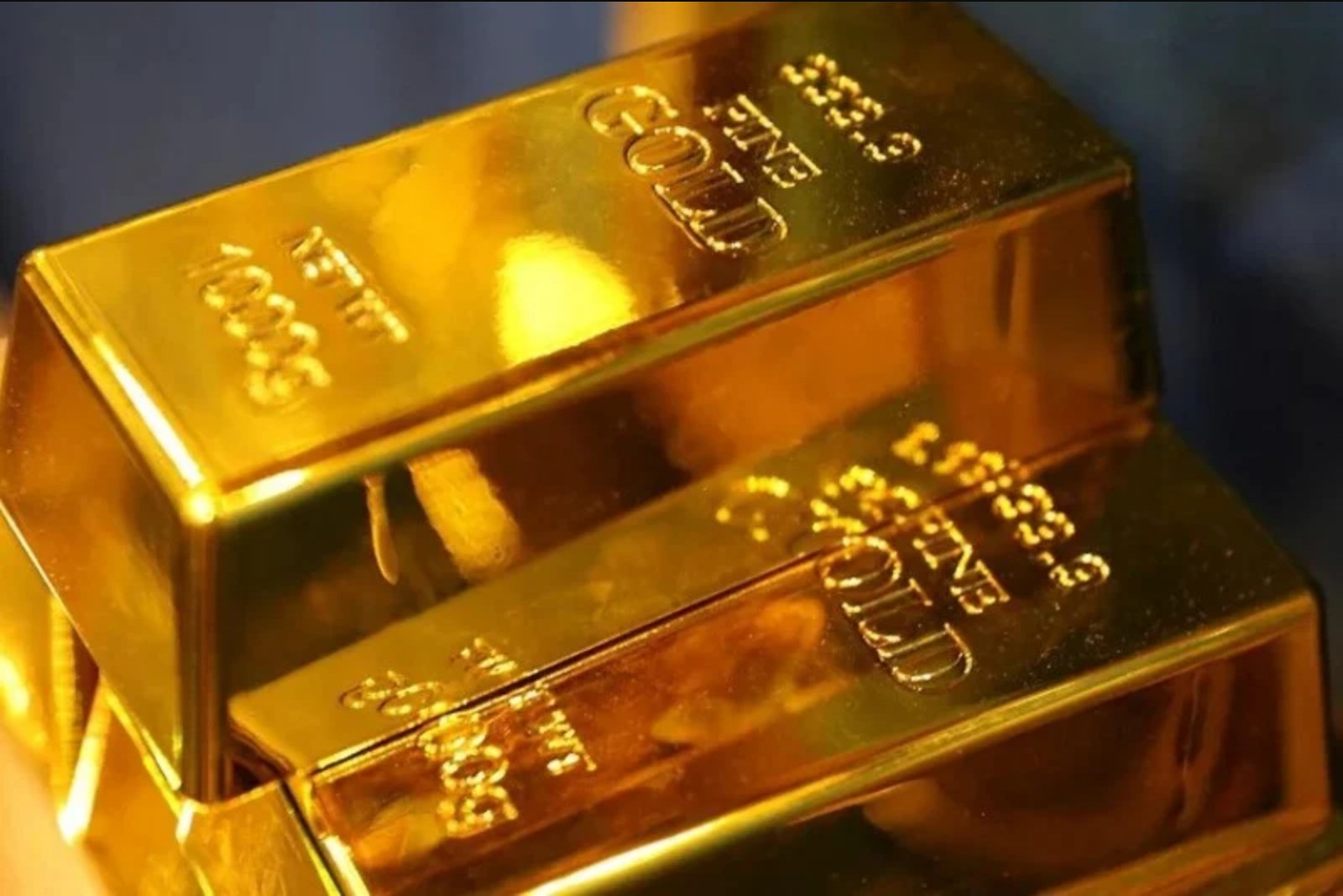
Gold posted a partial rebound on Thursday after suffering a steep decline the prior session that pushed the metal to its lowest closing level since September 2025. At 20:18 ET (01:18 GMT), spot gold was trading up 0.8% at $3,754.85 an ounce, while U.S. gold futures rose 0.4% to $3,755.55.
Other precious metals also advanced. Silver climbed 1.4% to $45.7245 an ounce, platinum increased 0.2% to $1,378.84, and spot palladium rose 0.8% to $960.77, with palladium futures up 0.6% to $957.50. The U.S. dollar Index was little changed at 103.81.
Gold has regained some ground this week, with the article noting it was "around $37 an ounce, or about 1.1%, above their November 20 close." That modest recovery follows a sharp 9.4% tumble in the prior week - bullion's steepest weekly fall in eight months - which sent prices to their lowest level in over a year.
Trading conditions have been volatile. Early in the week, bargain hunting drove a pronounced rebound, but much of those gains were surrendered over subsequent sessions. Prices dipped briefly below $3,500 on Wednesday before recovering later in the week. With Friday's trading still to conclude, the recent uptick does not yet guarantee a final weekly gain.
The metal has traded beneath $4,000 an ounce since November 11 and is on track for a third consecutive monthly decline exceeding 6%. The retreat has accelerated from a record high reached in January after higher energy costs tied to the U.S.-Iran war intensified inflation concerns and increased expectations of tighter monetary policy.
Global equities posted gains on Thursday as investors in Europe and Asia followed a rebound in artificial intelligence-related stocks. U.S. cash markets were closed for the Thanksgiving holiday, which left market sentiment influenced by trading in other regions.
Inflation data from the United States have reinforced the case for further monetary tightening. The core personal consumption expenditures price index - the Federal Reserve's preferred gauge of underlying inflation - rose 3.3% year-over-year in October, marking its largest annual increase since 2023. That reading strengthened expectations for additional rate hikes.
Interest-rate futures priced a 96.2% probability of a 25-basis-point Federal Reserve increase at the December 9 meeting. Markets were also assigning a 64.3% probability that the Fed's target range would reach 4.25%-4.50% by the January 27 meeting, signaling anticipation of further tightening early next year.
The prospect of consecutive rate rises presents a headwind for gold. Higher borrowing costs increase the opportunity cost of holding a non-yielding asset like bullion and could sustain demand for interest-bearing instruments instead.
Note: Trading remained fluid through the week, and the short-term rebound documented here does not yet alter the broader downtrend that has pressured precious metals amid elevated rate expectations and continued market volatility.