
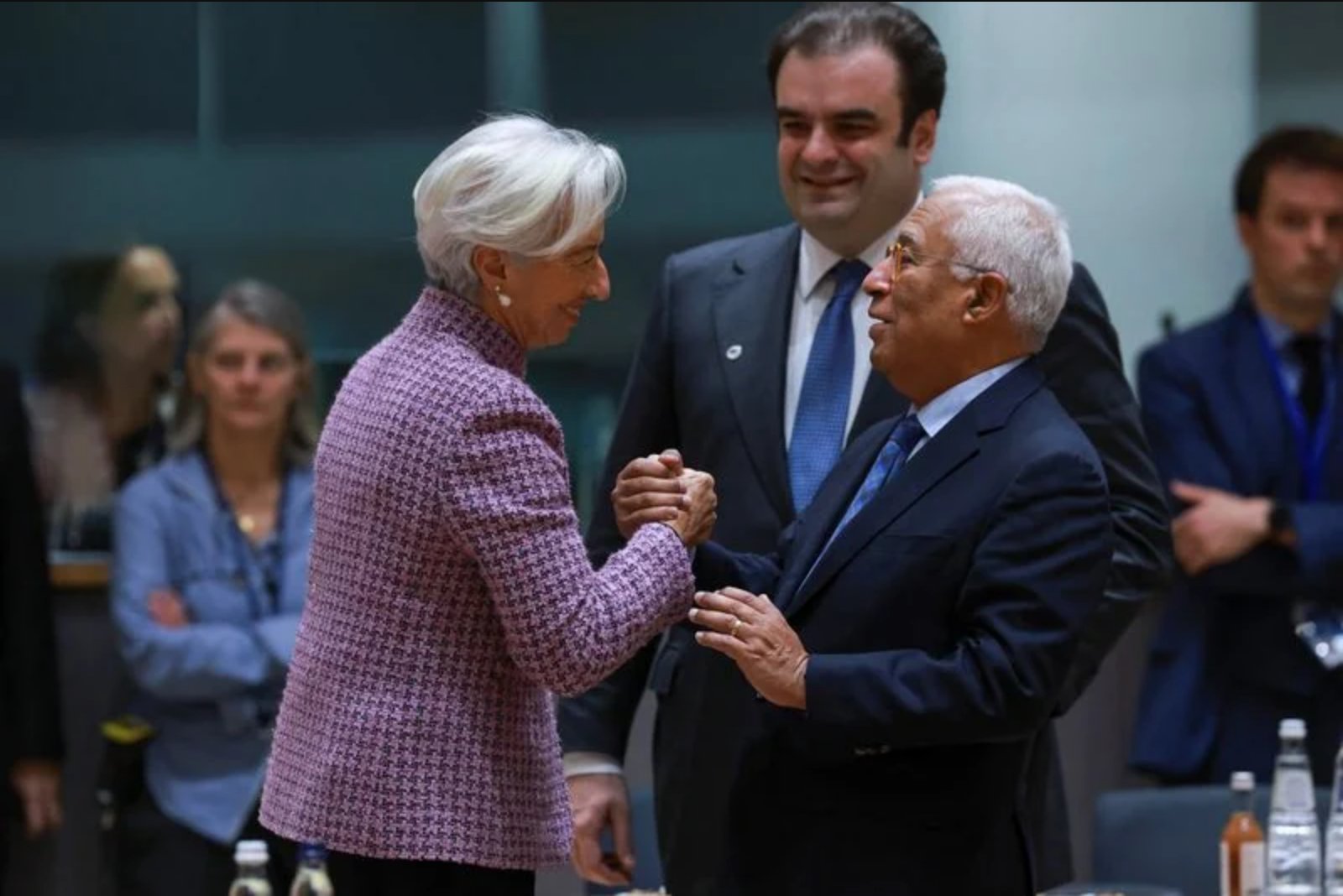
European Union leaders convened at a summit on Thursday to tackle deep divisions over the bloc’s planned 2028-2034 budget and arrangements to keep financial support flowing to Ukraine as its war with Russia continues into a fifth year. The discussion centred on a nearly €1.6 trillion package for the next seven years and a separate proposal to raise lending for Kyiv, with several capitals urging an urgent, legally binding settlement before a string of elections next year could complicate ratification.
The chair of the European Council, Antonio Costa, is expected to table a revised budget proposal in the coming weeks with the aim of securing a formal agreement at a meeting on December 17 and 18. Leaders said they wanted a clear outcome by year-end because the parliamentary and presidential calendar in a number of member states - including the French presidential vote in May - could make consensus much harder to achieve in 2027 if no deal is struck now.
Kyiv’s allies have pressed for assurances that funding will be protected even if France elects a far-right government. Marine Le Pen, who is campaigning in the presidential race, has said she would stop France’s financial support for Ukraine if elected and wants to reduce France’s contributions to the EU budget. Those statements have intensified the urgency among supporters of continued aid for Kyiv to lock in commitments before the French vote.
German Chancellor Friedrich Merz framed the stakes in stark terms on arrival at the summit. "We must ensure that Ukraine receives sufficient support in the coming years," he said. "I don’t think anyone in Europe can have any interest in seeing new waves of refugees from Ukraine if this war does not come to an end."
The most recent plan presented by Costa last Saturday sets the total for the 2028-2034 multiannual financial framework at €1.582 trillion, which incorporates a €140 billion envelope earmarked to repay borrowing taken on during the pandemic. Roughly €740 billion of the package is allocated to agricultural policy and cohesion funding intended to help poorer EU regions catch up economically with wealthier areas.
Alongside those core budgetary lines, leaders had to confront how to continue financing Ukraine beyond the current budgetary period. The 2028-2034 draft contains up to €100 billion for Ukraine, a figure diplomats say does not meet Kyiv’s full requirements. In addition, negotiations are addressing how the EU will support Kyiv in 2027, since the present seven-year budget in force now expires at the end of next year.
To fill the gap for 2027, the European Commission has proposed borrowing €45 billion under the current budget framework and lending the proceeds to Ukraine, with repayment contingent on Russia paying war reparations to Kyiv. In parallel, non-EU partners such as Britain, Norway, Japan, Switzerland and Canada are expected to contribute another €25 billion in 2027. Together, the €45 billion loan plus the €25 billion from external partners would be intended to cover the €70 billion funding shortfall facing Ukraine next year, according to diplomats involved in the talks.
One of the clearest flashpoints at the summit concerned whether participation in the proposed €45 billion loan should be mandatory for all 27 EU member states. Slovakia, the Czech Republic, Hungary and Bulgaria have objected to an obligation that every country must take part. Germany and several other governments, however, have insisted that broad participation be a precondition for adopting a wider budget settlement.
"For me, there is a link between our support for Ukraine and the European budget," Merz said, underlining the position of countries that want a unified approach. "The European Union comprises of 27 Member States, not 23 or 24. So here we are indeed faced with a very fundamental question. What do we want to achieve together as Europeans?"
The dispute reflects a wider split between member states that are net contributors to the EU budget - including Germany, Sweden, the Netherlands and Finland - and those that receive more from Brussels than they pay in. Net contributors are pushing for cuts in the overall budget and argue that spending should prioritise policies that boost competitiveness against economic rivals rather than focusing predominantly on agricultural subsidies and regional cohesion.
By contrast, the countries that are net beneficiaries counter that the budget can, and must, provide funding for both objectives: strengthening competitiveness and maintaining support for farmers and poorer regions. They argue that preserving these traditional spending lines is important to sustain public backing for the EU at a time when far-right parties are gaining traction in several member states.
Diplomats attending the summit said they expected a combative opening session, with governments forcefully asserting their positions. One diplomat predicted a theatrical start, expecting "leaders to be yelling, complaining, showing they are willing to fight. They need that first. They need a breakdown, blood on the walls, before they can get to an agreement". Another diplomat said substantive bargaining rarely begins until negotiators face a hard deadline: "I don’t think the real negotiations will happen until we have a gun to our head - normally that’s how it is - and when we have a real, real deadline."
Reaching a compromise is complicated by the requirement that the seven-year budget must be approved unanimously by all 27 member states. Greek Prime Minister Kyriakos Mitsotakis stressed that time pressure at the summit made a December resolution politically essential. "It is politically imperative to reach a definitive solution ... in December, because if this does not happen, political developments in many EU countries will make a political agreement practically impossible in the first half of 2027," he said on entering the meeting.
Leaders said they hoped a December agreement would provide clarity and enable the chair to present a revised text that could secure unanimous backing. Until then, negotiations look set to be dominated by the competing demands of those who want to shield Ukraine financing and those who want a leaner EU budget focused on competitiveness, with agricultural and cohesion spending at the centre of the debate.
Note: Figures referenced in this report include the total proposed seven-year budget of €1.582 trillion, a €140 billion pandemic borrowing repayment line, around €740 billion for agriculture and cohesion, up to €100 billion for Ukraine in the 2028-2034 period, and a proposed €45 billion loan under the current budget intended for Ukraine in 2027, with an expected additional €25 billion from several non-EU partners to cover a €70 billion gap.