
Lead
Former Philippine president Rodrigo Duterte has been brought before the International Criminal Court (ICC) as a trial opens on allegations that his long-running anti-drug campaign involved crimes against humanity. The proceedings, set to begin on Monday, will examine accusations tied to 85 murders and two attempted murders allegedly committed between 2011 and 2018 - a period that includes his tenure as mayor of Davao City and the early years of his presidency.
Case scope and charges
Prosecutors at the ICC say the named incidents are a subset of a much larger pattern. They contend the sample reflects a part of what they estimate could be as many as 30,000 people killed by death squads targeting suspected users and sellers of illegal drugs. Duterte faces three counts of crimes against humanity; a conviction on any count could expose him to life imprisonment.
Victims, representation and timeline
More than 500 alleged victims will be represented during the trial, which prosecutors expect to continue well into 2027. Philippine law enforcement agencies have officially acknowledged 6,248 deaths during the period at issue. The court will first ask Duterte to enter a plea on Monday, after which prosecutors will present opening arguments. His defence team has indicated he denies the charges and has argued the case does not belong before the ICC.
Voices of the bereaved
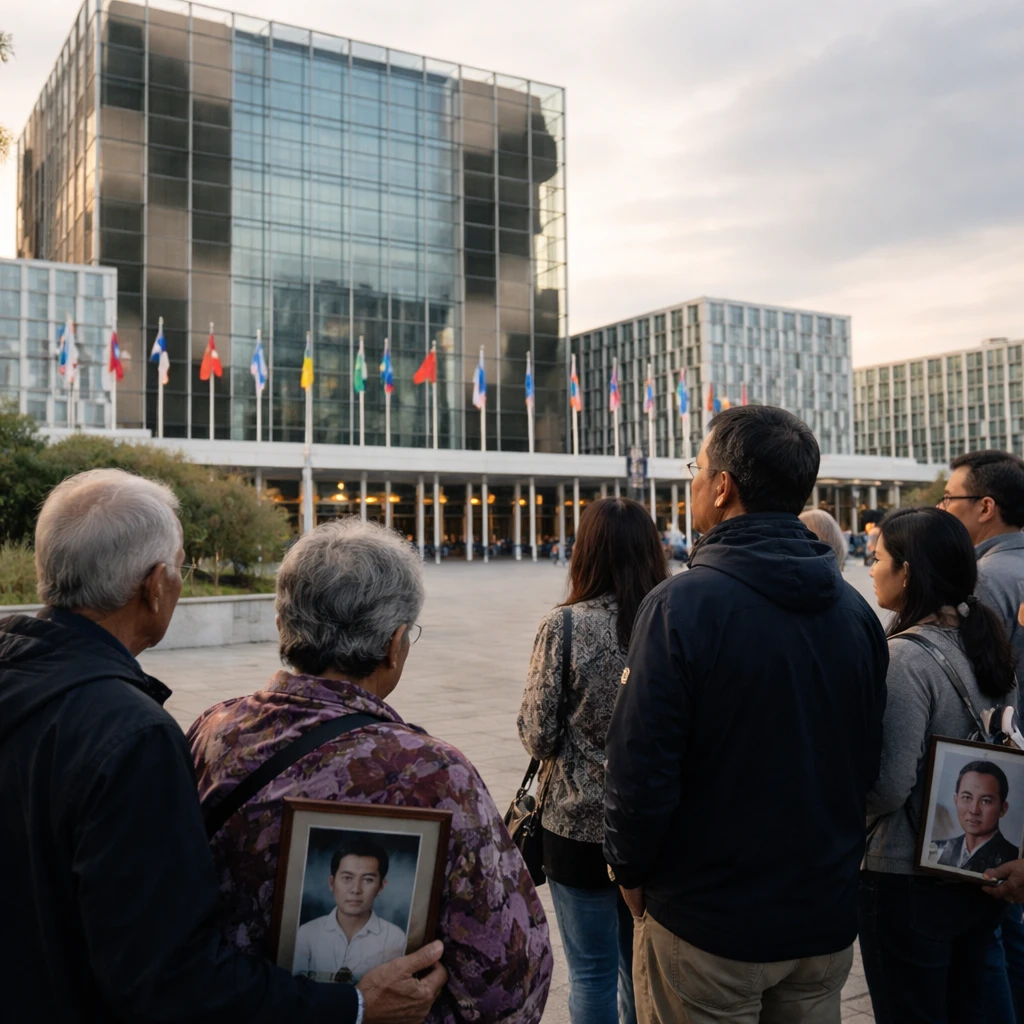
Among those travelling to The Hague is Llore Pasco, a mother who lost two sons and who plans to attend the opening session on her 73rd birthday. Pasco said she had never expected to see the former leader in the dock and called the moment "the greatest and most beautiful gift you could give me." She added that her wish extended beyond personal justice - she said she hoped for justice "for all those killed during the time of Rodrigo Duterte" and that "the killings stop for the next generation."
International legal advocates also framed the trial as consequential. Priya Pillai, an international lawyer who leads the Asia Justice Coalition, described the opening as "a welcome moment in [victims'] quest for justice" and said it represented a significant moment in Philippine history.
Defence stance and court rulings on fitness
Duterte's lawyers have presented a number of legal arguments prior to the trial. They have told judges their client should be found unfit to stand trial because of cognitive decline. Judges, however, ordered that he proceed to trial and attend hearings, and they authorised shortened court sessions to take account of his age.
In a pre-trial brief, his lawyers argued there was "no state or organisational policy to murder," asserting the matter is not one of crimes against humanity and therefore does not belong before the ICC. The court will weigh those arguments against prosecutors' claims that Duterte created, funded and armed death squads responsible for widespread extrajudicial killings between 2011 and 2019.
Domestic political reactions
Supporters of the former leader have pushed for his release. His daughter, Sara Duterte, who currently serves as Philippine vice president, issued a statement saying that "no foreign court or nation should ever stand above the sovereignty of our country." Calls for Duterte's release reflect the domestic political fault lines that surround the case.
International context and institutional test
The trial will be a significant test for the ICC, which is the world's only permanent tribunal for war crimes, crimes against humanity and genocide when national systems fail to act. The proceedings come at a time when the court's capacity to operate has faced acute challenges. Prosecutors and observers note that the case is one of the highest-profile matters in the ICC's more than two decades of work, and the biggest since the administration of US President Donald Trump imposed sanctions that could imperil the court's ability to function.
Duterte is only the second former national leader to appear before the ICC for alleged crimes committed while in power, following Laurent Gbagbo of Ivory Coast, who was acquitted in 2019. Separately, the ICC has active arrest warrants for four serving national leaders: Israel's Prime Minister Benjamin Netanyahu, Russia's President Vladimir Putin, Afghanistan's Taliban leader Hibatullah Akhundzada and Myanmar military leader Min Aung Hlaing.
Custody and procedural notes
In March 2025 Duterte was arrested and transferred to The Hague, where he is held in a detention unit for war crimes suspects within a Dutch prison. Judges will accommodate his age by shortening sessions, but they have made clear the trial will proceed. His legal team maintains his innocence and contests the court's jurisdiction over the matter.
Conclusion
The opening of the trial marks a fraught juncture for victims seeking accountability and for the ICC as an institution. Families of those killed during the anti-drug campaign are travelling to attend the hearings, while defenders of Duterte continue to stress national sovereignty and deny the existence of an organised, state-sponsored policy of murder. As the proceedings unfold, the court's ability to manage a high-profile, politically charged case will be under close observation, both within the Philippines and internationally.