
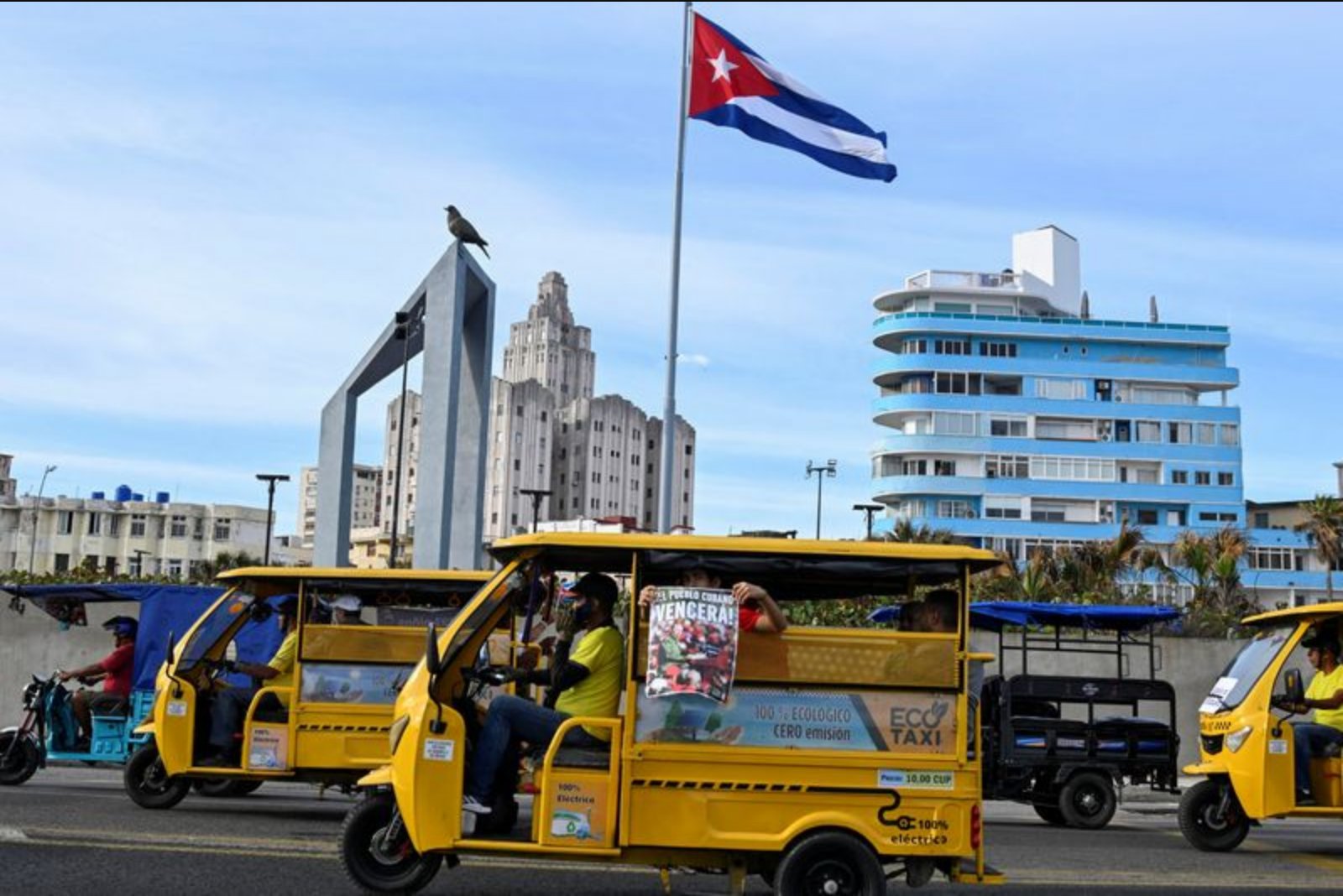
U.N. independent experts on Thursday characterized a U.S. executive order issued in January to enforce a fuel blockade on Cuba as tantamount to "energy starvation," saying the action carries grave implications for the Caribbean island’s development and for the human rights of its people.
The United States, which has maintained an embargo on Cuba since 1960, intensified measures this year that include threats of tariffs on countries supplying oil to Havana and repeated suggestions it might use military action against Cuba. The experts noted that only Russia has continued to deliver shipments of fuel to the island, which relies heavily on imported fuel to keep its power grid operating.
Those constraints, the experts said, have compelled Cuban authorities to further ration key public services. The statement adds that some businesses and private residences have adopted alternatives, with solar power among the substitutes being used to cope with the shortfalls.
"This measure has sharply worsened fuel shortages across the island, pushing essential services to the brink," the panel of independent experts appointed by the U.N. Human Rights Council said in its statement. "While the order references human rights concerns within Cuba, it fails to consider how the measure itself - a unilateral coercive measure - directly harms the enjoyment of human rights of the Cuban people."
Separately on Thursday, the United States imposed financial sanctions on a sprawling business conglomerate run by Cuba’s military as well as on a Cuban-Canadian mining joint venture. These actions follow another executive order signed last week by President Trump that broadened U.S. sanctions to cover people, entities and affiliates that support the Cuban government’s security apparatus.
The U.N. experts framed their critique around the direct effects of the blockade on fuel availability and public services, while the U.S. measures reflect a broader policy of pressuring the Cuban government through economic and financial levers. The experts emphasized the direct link between the blockade and harms to the Cuban population’s ability to enjoy rights tied to development and access to essential services.
Where information in the experts' statement is limited, the panel focused on the observable impacts cited in their assessment: worsening fuel scarcity, expanded rationing of services, and the adoption of alternative energy solutions by some parts of society. The U.S. policy actions cited - tariffs threats, sanctions on a military-run conglomerate and a mining venture, and the widened sanctions authority under a recent executive order - were reported as part of the broader suite of measures affecting Cuba's access to fuel and financial resources.
Summary of implications
- The executive order in January is described by U.N. experts as creating severe fuel shortages and threatening essential services.
- Only Russia has maintained fuel shipments to Cuba amid U.S. pressure on other suppliers.
- The U.S. has concurrently imposed financial sanctions on a military-run conglomerate and a Cuban-Canadian mining joint venture, and expanded sanctioning authority via an additional executive order.