
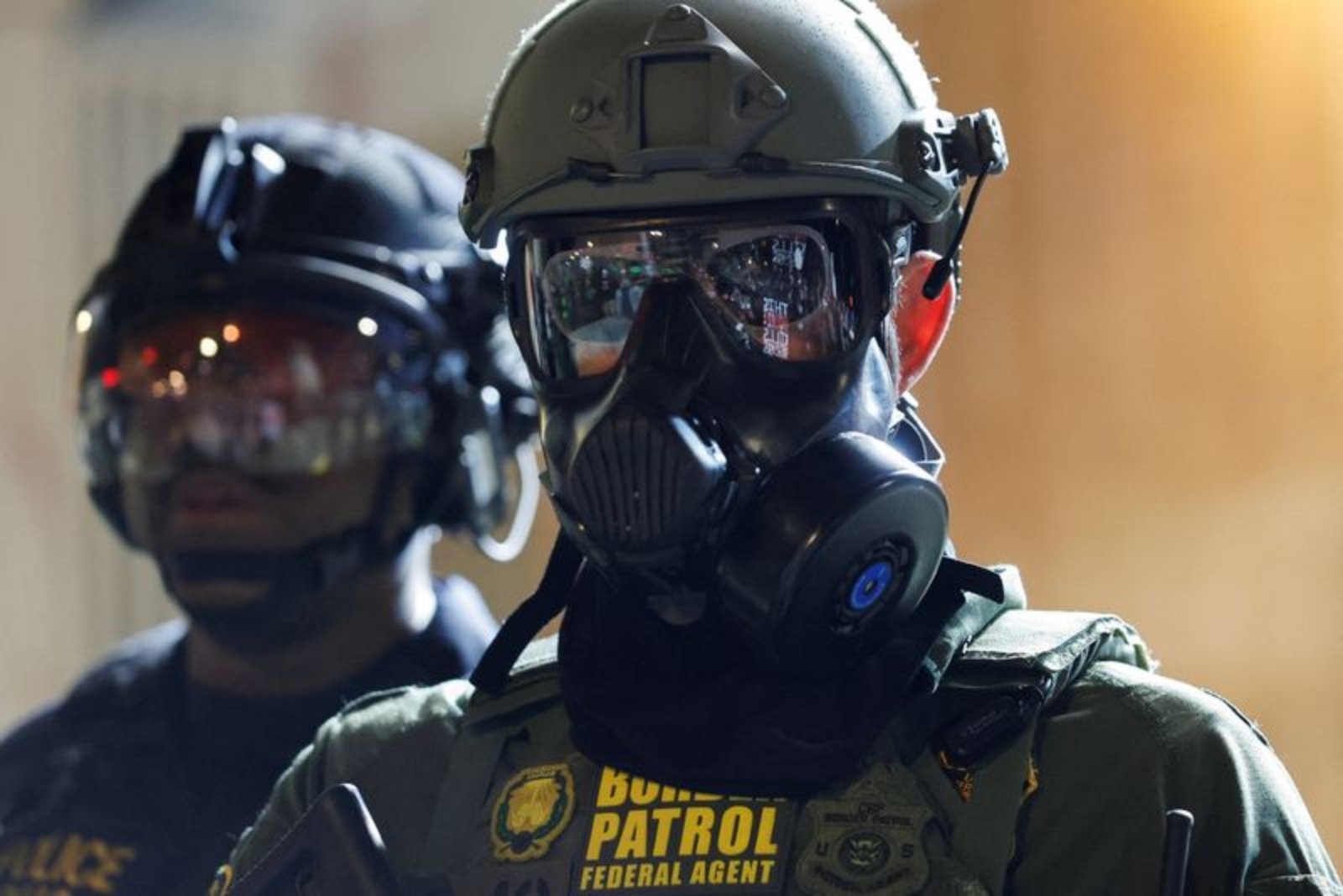
New York state is preparing to ban law enforcement officers from wearing masks while on duty, Governor Kathy Hochul said on Thursday, part of a broader package of immigration-related provisions tied to the state's 2027 budget negotiations. The announcement accompanied Hochul's statement that an agreement had been reached with state lawmakers on the budget, which includes the immigration changes.
Blake G. Washington, the state's budget director, said he expects the bills to be brought before the Democratic-led legislature as soon as next week.
Under the terms described by the governor and state officials, the agreement would bar state law enforcement from collaborating with U.S. Immigration and Customs Enforcement on federal immigration operations. It would also restrict ICE from entering schools, health care facilities, private homes and other sensitive locations unless agents have obtained a judicial warrant.
On the subject of face coverings for officers, Hochul said: "We're also banning law enforcement officers from wearing masks, except in rare circumstances where there's a genuine operational need, like a gas mask." She added: "No members of state, local or federal law enforcement wear masks during ordinary operations."
The U.S. Department of Homeland Security, which oversees federal immigration activities, did not immediately respond to a request for comment.
New York's proposed measures mirror efforts adopted in other Democratic-run states, including California and New Jersey, that sought to limit ICE practices such as masking during immigration enforcement tied to the administration of Republican President Donald Trump. The U.S. Justice Department has sued those states to challenge such bans. A federal judge struck down the California prohibition in February, concluding it "unlawfully discriminates against federal officers."
The budget director's comment that the bills could be passed as soon as next week highlights a near-term legislative timetable, while the federal response to comparable state restrictions and prior court rulings point to possible legal contests ahead. Questions remain about how federal agencies will react to New York's proposals, and how courts may rule if legal challenges are mounted.