
Overview
Geneva has long been a symbol of international cooperation. But the city is facing a significant retreat of institutional presence as the United Nations and multiple international agencies reduce staff, abandon premises or transfer functions to lower-cost countries. The trend has accelerated since 2025, with over 3,000 Geneva-based posts at the U.N. and related bodies either cut or relocated, equal to about a fifth of U.N. posts in the city.
Historic setting and the latest withdrawals
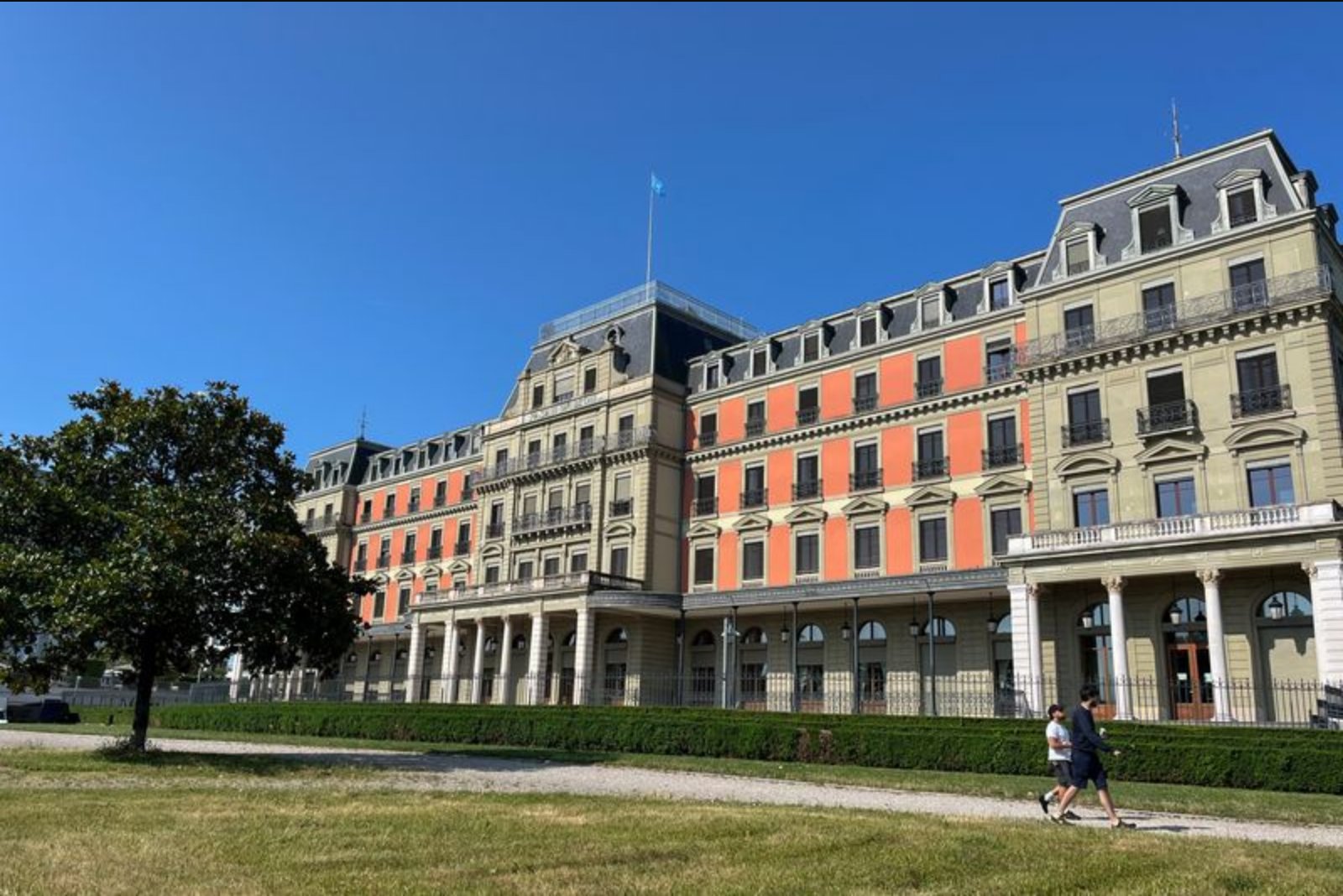
The Parisian-style Palais Wilson, a 225-room complex that once housed the League of Nations in 1937, will be vacated this summer by the U.N. human rights office that has used it. The Office of the High Commissioner for Human Rights is moving from the Palais Wilson into a wing of the Palais des Nations, the U.N. European headquarters nearby, citing a "financial crisis." Other agencies have also pared back their Geneva presence. The International Labour Organization recently exited two of the 11 floors it occupied at its Geneva base. UNICEF is shifting around 70% of its roughly 400 staff out of Geneva. UNAIDS faces the prospect of possible closure, while other bodies are reducing staff levels or transferring roles away from the Swiss city.
The International Organization for Migration has reduced its Geneva workforce from about 1,000 to roughly 600 and has shifted positions to centres in Thessaloniki, Nairobi, Bangkok and Panama. Its global headcount has fallen from 23,000 to 16,000.
Budgetary pressures and donor choices
Switzerland has committed 269 million Swiss francs to support multilateral institutions in Geneva. A fund set up by the canton of Geneva alongside a foundation linked to Hans Wilsdorf, the founder of Rolex, has pledged at least an additional 50 million francs. Despite these commitments, officials say the reductions are driven by broader financial constraints at multilateral organisations and by shifts in donor spending priorities.
Some governments have reallocated funds toward defence, creating tighter budgets for international organisations. In Washington, the policy stance of the U.S. has weakened support for multilateral commitments. The consequences include severe cutbacks in U.N. operations - described by officials as the most serious in the organisation’s 80-year history - and uncertainty over whether the United States will pay more than $2 billion it owes in core budget fees.
Costs, compensation and organisational structure
Cost pressures are an explicit factor. U.N. international staff, who are exempt from Swiss taxes, qualify for a cost-of-living adjustment equal to 89.4% above baseline salary in Geneva. Many staff members also receive spouse and education allowances. Some observers view the retrenchment as a necessary correction to what they characterise as an oversized bureaucracy; others warn it undermines the institutional capacity of the U.N. system.
Local reaction and the risk to Geneva’s reputation
Geneva’s mayor, Alfonso Gomez, expressed deep concern that the diminishment of multilateral institutions threatens the city’s reputation as "the capital of multilateralism." He noted that while Geneva’s overall economy remains resilient, the concentration of international organisations has been a defining feature of the city’s identity and prestige.
Real estate professionals report an unusual impact on the city’s commercial property market. Robert Curzon Price, chief executive of the Barnes real estate firm and one of those advising multilateral bodies on the changes, said that institutions occupy roughly 10% of Geneva’s commercial property market and that the effect of the withdrawals is unprecedented. Property owners are holding off listing assets while they await clarity on whether U.S. policy toward multilateralism will shift back.
Voices from the international community
Some senior figures warn that shrinking Geneva weakens one of the clearest symbols of the post-World War Two international order. Jean-Marie Guehenno, a former U.N. Under-Secretary-General for Peacekeeping Operations, argued that Geneva represents an approach to global affairs where cooperation produces mutual benefit rather than zero-sum competition. He said the current trend risks unlearning lessons believed to have been absorbed after the conflicts of the 20th century.
Others defend the relocations as sensible cost management. Amy Pope, director general of the International Organization for Migration, said: "I don’t think we need a huge footprint in Geneva to do the job well." Norway’s foreign minister, Espen Barth Eide, said it makes little sense to base large numbers of U.N. positions in expensive cities like Geneva and New York. He called on the U.N. to streamline, set priorities and strengthen field resources.
A U.S. State Department official said that while Geneva remains a logical site for U.N. workers to meet with member states, it is not necessarily the most efficient location for back-office functions.
Operational changes and geographic dispersal
Internal U.N. planning documents point to a move toward a slimmer but more geographically dispersed operating model. Kazakhstan, Qatar and Rwanda have expressed interest in hosting offices as the U.N. system fragments into smaller nodes. The decisions to shift or reduce presence are already changing where programmes are run and staffed.
Recent diplomacy and the uncertain future
Geneva has continued to host diplomatic talks, including meetings related to the Ukraine conflict and tensions between the United States and Iran. Those sessions were compressed into a single day by U.S. envoys, and a new bout of conflict with Iran occurred soon after. Switzerland owns the Palais Wilson and is planning renovations to the building, which bears the name of former U.S. President Woodrow Wilson; local authorities have not yet determined its long-term use.
Implications for property and employment
Authorities and observers say that although properties vacated by international organisations are not yet offered for sale, the market impact is likely to be significant if sizeable parts of the institutional footprint remain empty. Officials are watching whether donor states will reverse course and whether the U.N. and its agencies will consolidate functions in the field rather than in high-cost headquarters.
Concluding assessment
The withdrawal and downsizing of the U.N. and related agencies in Geneva reflect fiscal pressures and changing donor priorities. While some policymakers and leaders argue for a leaner, more field-focused U.N., others warn the loss of a large Geneva presence would erode the visible infrastructure of international cooperation established after the Second World War. The trajectory of Geneva’s institutional landscape will depend on decisions by donor states, internal organisational choices and whether alternative host countries expand their roles.