
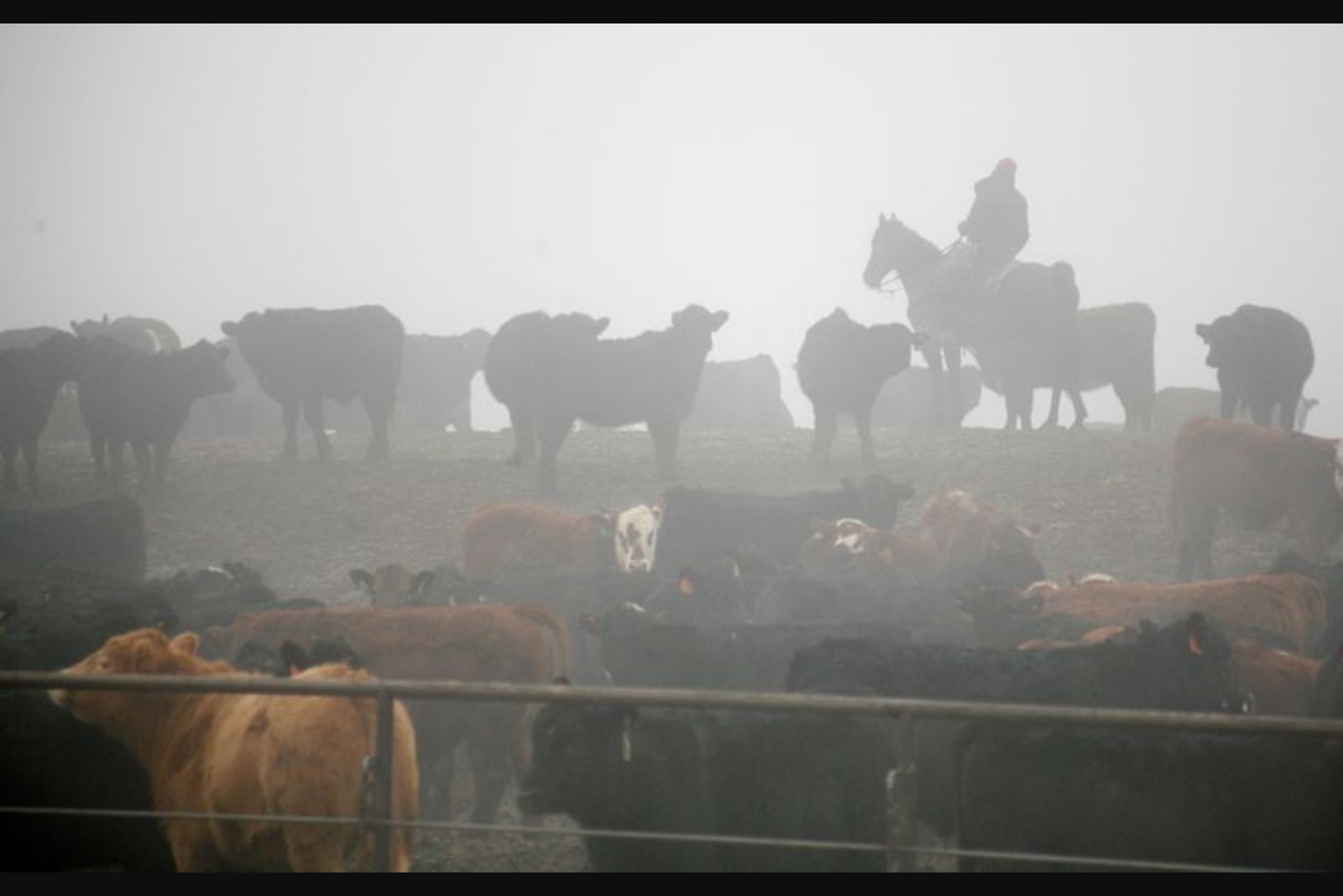
Tyson Foods' finance chief Curt Calaway said on Wednesday that efforts by U.S. cattle producers to rebuild a depleted national herd are inconsistent, a situation that will keep beef supplies tight. Calaway made the remarks on a webcast of a BMO conference, noting that low inventories have contributed to record-high beef prices.
Calaway described heifer retention - the practice of keeping young female cows for breeding, which is essential to expanding herd size - as "spotty and regional." He said this pattern of retention means the company expects constrained cattle supplies to persist through 2026 and into 2027. "We’ll still manage in a tight cattle supply," he added.
The CFO linked producers' reluctance to hold heifers to two main pressures: producers taking advantage of high cattle prices by sending animals to slaughter, and concerns about dry weather reducing available grazing land. Those factors, he said, have led ranchers to reduce herd sizes rather than retain breeding animals.
Record beef prices have emerged against a backdrop of mixed grocery price moves since January 2025: while prices for eggs, milk and other staples have fallen, beef costs are more than 16% higher, making beef a particularly visible area of consumer inflation as grilling season begins.
Meatpackers have felt margin pressure as the rising cost of cattle outpaced the benefits of higher retail beef prices. Calaway noted Tyson's operational responses this year, including the closure of a major beef plant in Nebraska and scaled-back operations at a Texas facility, steps that resulted in thousands of layoffs. He said the company has begun to see benefits from those cuts and that the changes were made to improve competitiveness.
Demand dynamics and a smaller U.S. herd have pushed beef prices upward, and livestock inventories are now at their lowest level in 75 years, Calaway said. Ranchers reduced herd sizes amid a persistent drought in the western U.S., which damaged grazing lands and raised feeding costs.
Policy moves are also in play. President Donald Trump has been weighing executive actions to lower tariffs on beef imports and ease certain regulations affecting producers in an effort to reduce domestic beef prices. The American Farm Bureau Federation has cautioned that while boosting imports could increase supplies in the short term, such measures might discourage U.S. producers from rebuilding the national herd over the longer term.
Bottom line: With regional variability in heifer retention, weather-driven grazing concerns and recent capacity adjustments by major processors, Tyson anticipates a continued tightness in cattle supplies that will influence beef availability and pricing in the coming years.