
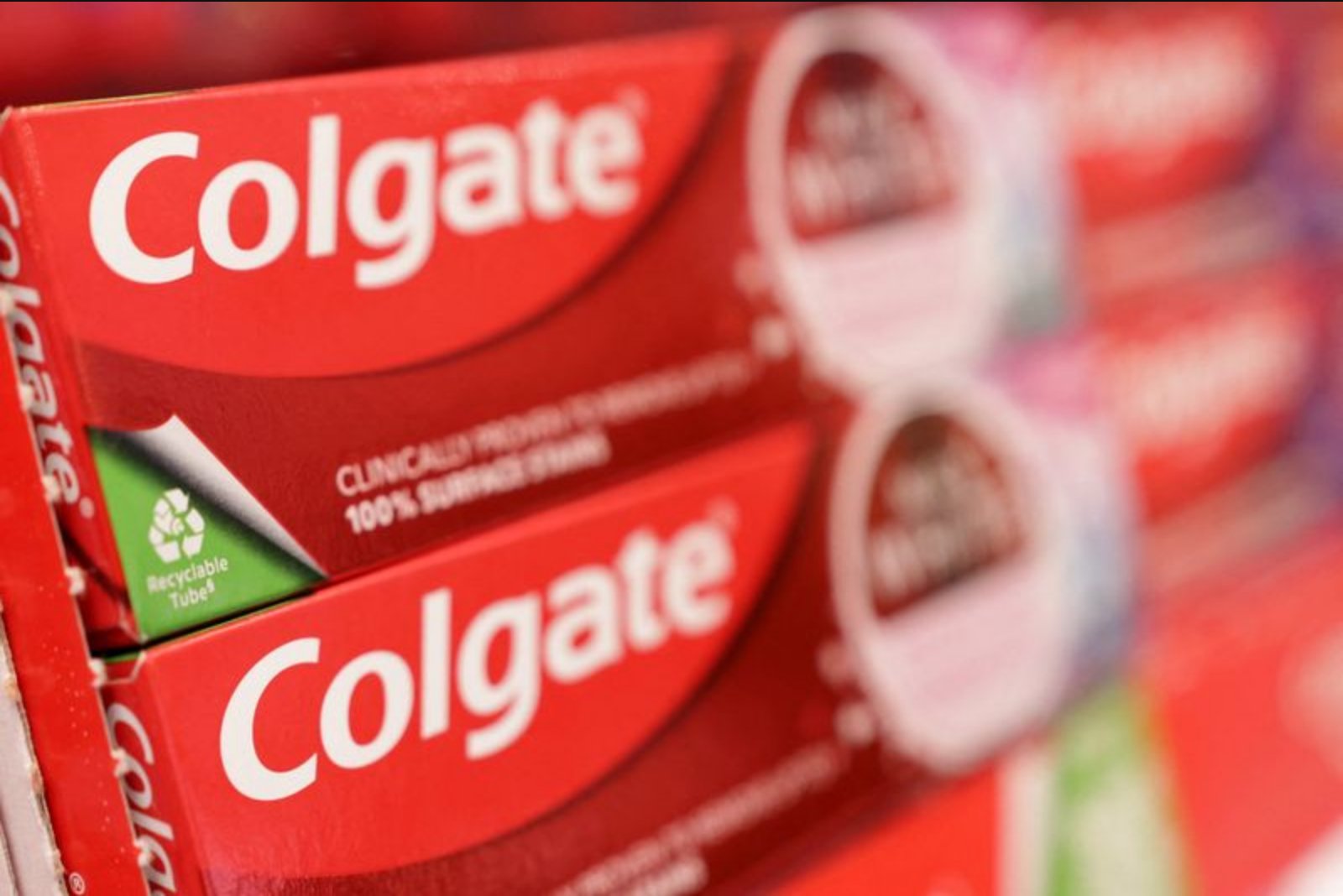
Colgate-Palmolive reported quarterly results that exceeded market expectations, with management saying international demand for everyday oral, personal and household care items supported both sales and profits for the period ending March 31.
Shares of the maker of Colgate toothpaste and Palmolive soaps rose 3% in premarket trading and have climbed 8% so far this year.
Quarterly performance
Net sales for the first quarter came in at $5.32 billion, above the average analyst forecast of $5.22 billion as compiled by LSEG. Adjusted earnings per share were 97 cents, beating the consensus estimate of 95 cents.
Colgate said its overall volumes increased 1.1% in the quarter, supported by demand in international markets. By contrast, volumes in the North America segment declined 3.2% as U.S. consumers shifted toward lower-priced alternatives amid elevated living costs. Across the business, pricing rose 2.2%.
Margins and cost pressures
The company attributed margin resilience to steady demand for toothpaste, manual toothbrushes and household cleaning products, and to pricing actions that helped offset higher tariffs and raw material costs. Colgate cautioned that the conflict in the Middle East is adding pressure to raw materials, packaging and logistics costs and could also weigh on global consumer spending.
Management warned of significant inflationary pressure tied to rising prices of oil and other commodities.
Outlook and industry context
Colgate reaffirmed its full-year sales and profit forecasts but signaled that volatile macroeconomic conditions and slower category growth are expected to persist into 2026.
The company noted that its quarterly results align with recent reports from peer consumer goods firms, with Procter & Gamble and Kimberly-Clark also flagging cost headwinds. In recent statements, Procter & Gamble warned that surging oil prices could result in roughly a $1 billion post-tax hit to its full-year profit, and Kimberly-Clark indicated it expects about $170 million in incremental costs in the second half of the year.
Summary
Colgate-Palmolive beat Q1 revenue and adjusted EPS estimates, supported by international strength, modest overall volume growth and pricing that helped sustain margins despite cost pressures. The company maintained its annual guidance while forecasting continued macro volatility and slower category growth into 2026.
Key facts
- First-quarter net sales: $5.32 billion.
- Analyst consensus revenue: $5.22 billion (LSEG).
- Adjusted EPS: $0.97 versus estimate $0.95.
- North America volumes: down 3.2%; overall volumes: up 1.1%; pricing: up 2.2%.
Impacted sectors
- Consumer staples - direct impact on sales and margins.
- Packaging and logistics - facing higher costs tied to geopolitical tensions.
- Commodities and energy - rising oil and commodity prices driving inflationary pressure.