
Overview
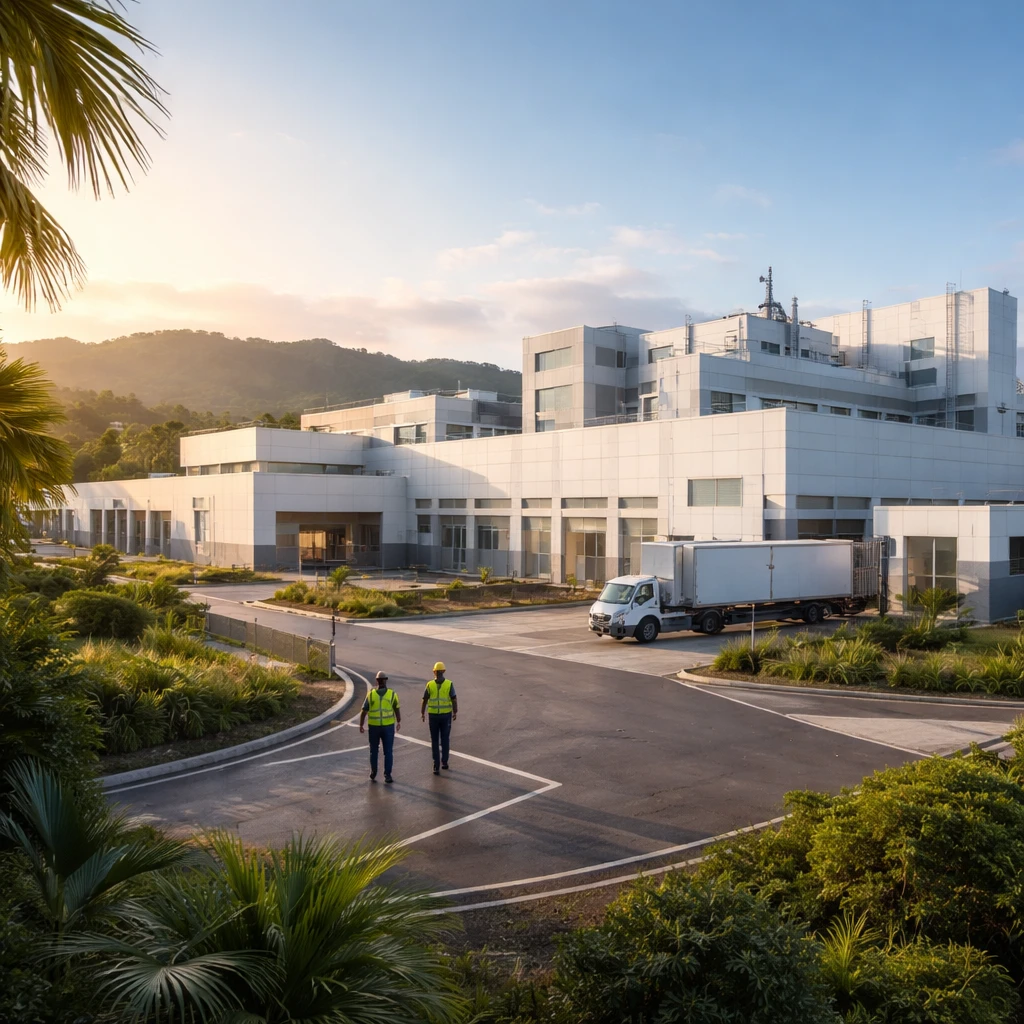
Amgen (NASDAQ:AMGN) said it will invest $300 million to enlarge its biologics manufacturing operations in Juncos, Puerto Rico. The facility serves as a distribution point for medicines shipped to more than 60 countries. Despite the capital allocation, the company's stock fell 1.5% on the day the expansion was announced.
Context within Amgen's broader U.S. investments
This $300 million outlay supplements previous commitments by Amgen in Puerto Rico, following last year’s announcement of $650 million in investments on the island that were expected to generate 750 jobs. The company has signaled a wider United States manufacturing push with several large projects: a planned $900 million investment in Ohio, a $600 million science and innovation center in California, and more than $1.5 billion invested in North Carolina.
Policy backdrop
The expansion comes as multinational drugmakers increase U.S.-based production in response to a policy move that could sharply alter trade economics for branded medicines. President Donald Trump signed an executive order in April that imposes 100% tariffs on imported branded pharmaceuticals unless manufacturers either agree to government drug-pricing arrangements or commit to onshore production. The possibility of such tariffs is a clear factor the industry is weighing as it plans capital projects.
Market reaction and unanswered questions
Even with the new investment, Amgen’s shares declined on the announcement date. The company has not linked the latest expansion to a stated job creation total, while earlier Puerto Rico investments included an expectation of 750 jobs. The broader mix of investments across multiple U.S. states suggests Amgen is pursuing a diversified manufacturing footprint, though the precise operational impacts of the Juncos expansion were not detailed in the company’s announcement.
Bottom line
Amgen’s $300 million investment in Puerto Rico advances its biologics manufacturing capacity at a site supplying over 60 countries and adds to a string of U.S.-focused capital projects. At the same time, equity markets reacted negatively to the news, and uncertainty around tariff-driven policy requirements and how they will intersect with company commitments remains a material factor for the sector.
Note: This report is based solely on information contained in the company announcement and related policy statements cited in that announcement. Where details were not provided, this article reflects that limitation rather than introducing additional specifics.