
Overview
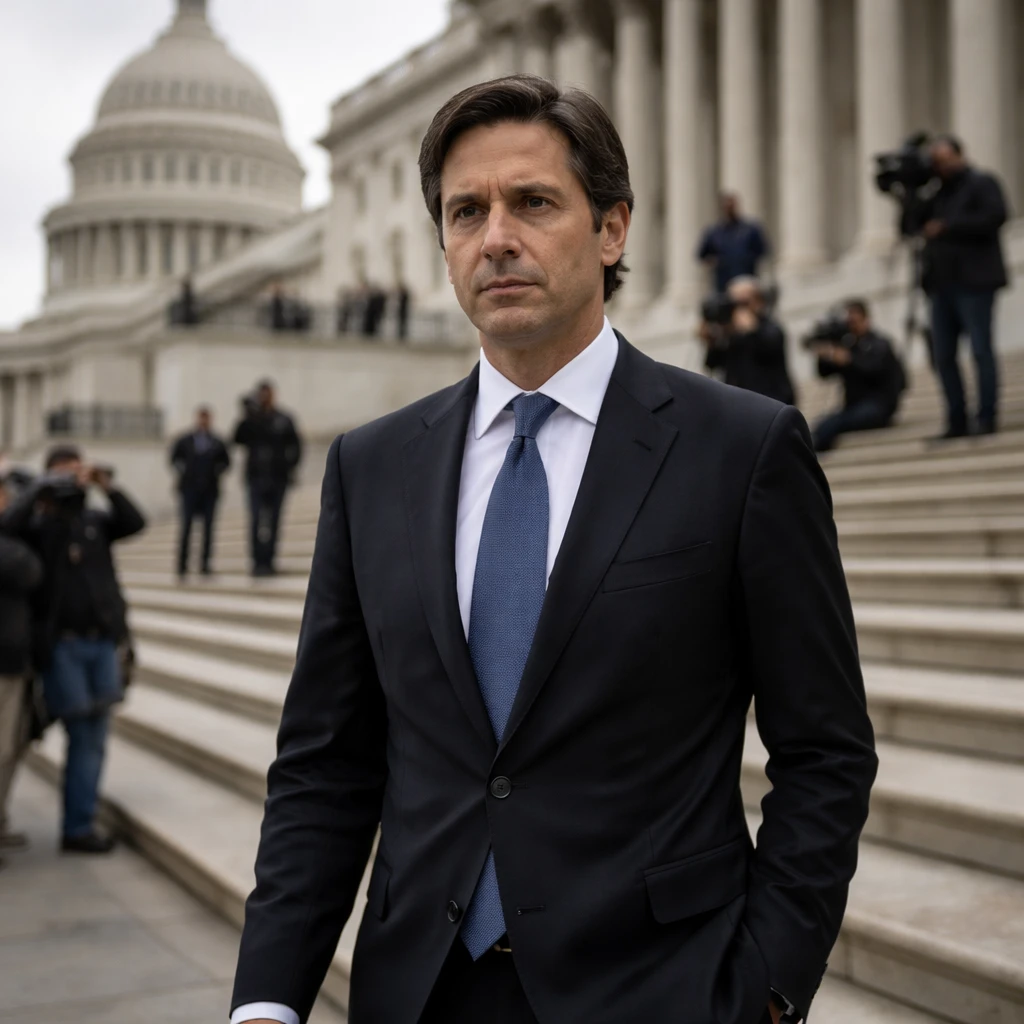
Kevin Warsh, the 56-year-old lawyer, financier and former Federal Reserve governor nominated by President Donald Trump to lead the central bank, cleared a procedural step on Wednesday when the Senate Banking Committee voted to advance his nomination to the full Senate.
Committee dynamics
The committee vote delivered complete backing from all 13 Republicans on the panel. North Carolina Senator Thom Tillis, who had previously opposed Warsh’s nomination, reversed his stance after the Justice Department closed a criminal investigation into Jerome Powell on Friday. Tillis had argued earlier that the existence of that investigation posed a threat to the Fed’s political independence.
Timing with Fed policy
The committee action occurred as Jerome Powell presided over what is expected to be his final policy meeting as chair of the Federal Reserve. The Federal Open Market Committee is widely anticipated to hold its benchmark interest rate steady in the 3.50% to 3.75% range at that meeting. The decision to delay cutting rates reflects continuing concerns about elevated inflation, which the meeting commentary said has been affected by global oil supply disruptions tied to the war in Iran.
Prospects and pledge
Warsh is expected to be confirmed by the Republican-controlled Senate. He has pledged to bring what he described as "regime change" to the central bank.
Clear summary
Warsh’s nomination advanced out of the Senate Banking Committee with unanimous Republican panel support, aided by Senator Tillis’s reversal following the Justice Department’s closure of a criminal probe into Powell. The vote came as Powell led a Federal Open Market Committee meeting expected to maintain the policy rate at 3.50% to 3.75%, with officials citing inflation concerns linked to oil supply disruptions from the war in Iran. Warsh is widely expected to be confirmed by the Republican-led Senate and has promised significant changes at the Fed.
Key points
- Senate Banking Committee advanced Warsh’s nomination to the full Senate with all 13 Republicans on the panel in support.
- Senator Thom Tillis reversed his prior opposition after the Justice Department closed a criminal investigation into Jerome Powell; Tillis had highlighted risks to the Fed’s independence.
- The committee vote coincided with Powell presiding over an FOMC meeting expected to leave the federal funds rate at 3.50% to 3.75%, amid inflation concerns exacerbated by oil supply disruptions from the war in Iran.
Risks and uncertainties
- Senate confirmation, while expected given Republican control, remains a procedural uncertainty until the full Senate votes.
- Concerns about the Federal Reserve’s political independence were raised publicly by a senator prior to his reversal, signaling potential political scrutiny that could affect perceptions of the central bank.
- Elevated inflation tied to global oil supply disruptions from the war in Iran remains a driver of current policy caution and a source of economic uncertainty.
Note: This article presents the facts and developments as reported regarding the nomination and related Federal Reserve actions. It does not include projections beyond the information provided above.