
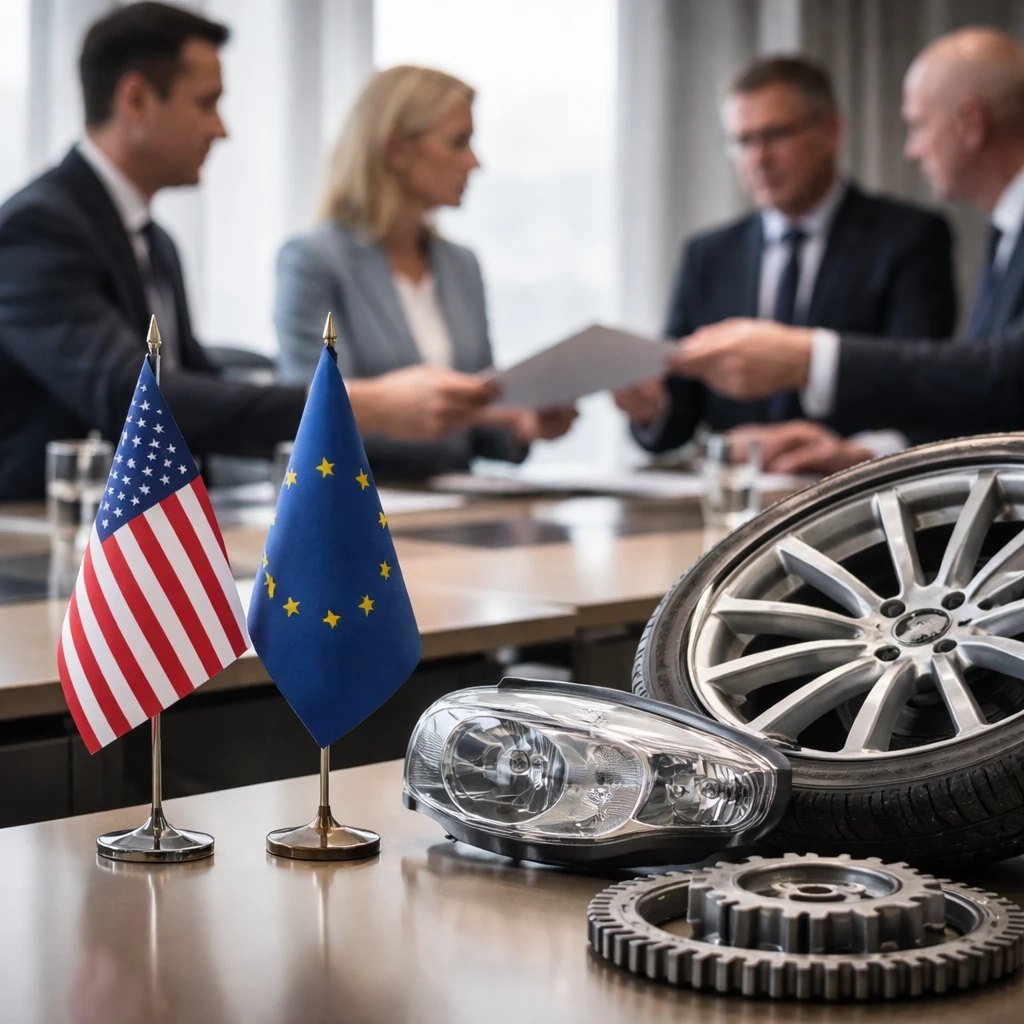
U.S. Trade Representative Jamieson Greer contacted officials in the European Union and Germany over the weekend in the wake of President Donald Trump’s decision to raise tariffs on European car imports to 25%, Greer said in remarks to CNBC on Monday.
The outreach follows the president’s announcement on Friday that he would impose a 25% tariff on cars and trucks imported from the EU this week. In explaining the move, the president said the EU had not complied with the terms of a deal reached at his Turnberry golf resort in Scotland in July.
According to EU diplomats speaking on Monday, member states within the bloc are urging rapid implementation of their obligations under the trade agreement struck with the United States last year. The diplomats said the accord was designed to prevent the higher auto tariffs from taking effect.
Separately, the European Parliament and the Council - the body that represents EU governments - are scheduled to resume negotiations on Wednesday over legislation that would reduce EU duties on U.S. imports. The Parliament is seeking to include multiple safeguards in that legislation, according to the diplomats.
The contacts by the U.S. trade representative and the parallel movement inside EU institutions reflect synchronized diplomatic and legislative activity following the president’s tariff announcement. Greer’s outreach to both EU-level and German trade officials came at the start of the week after the president’s Friday statement, and the EU’s internal discussions and planned legislative steps are set to continue midweek.
Details beyond the points above were not provided in the statements cited. The sequence of events as described centers on the executive action to raise tariffs, the U.S. trade representative’s weekend contacts with European counterparts, and the EU’s efforts to activate a previously negotiated agreement and to advance related legislation through its Parliament and Council.