
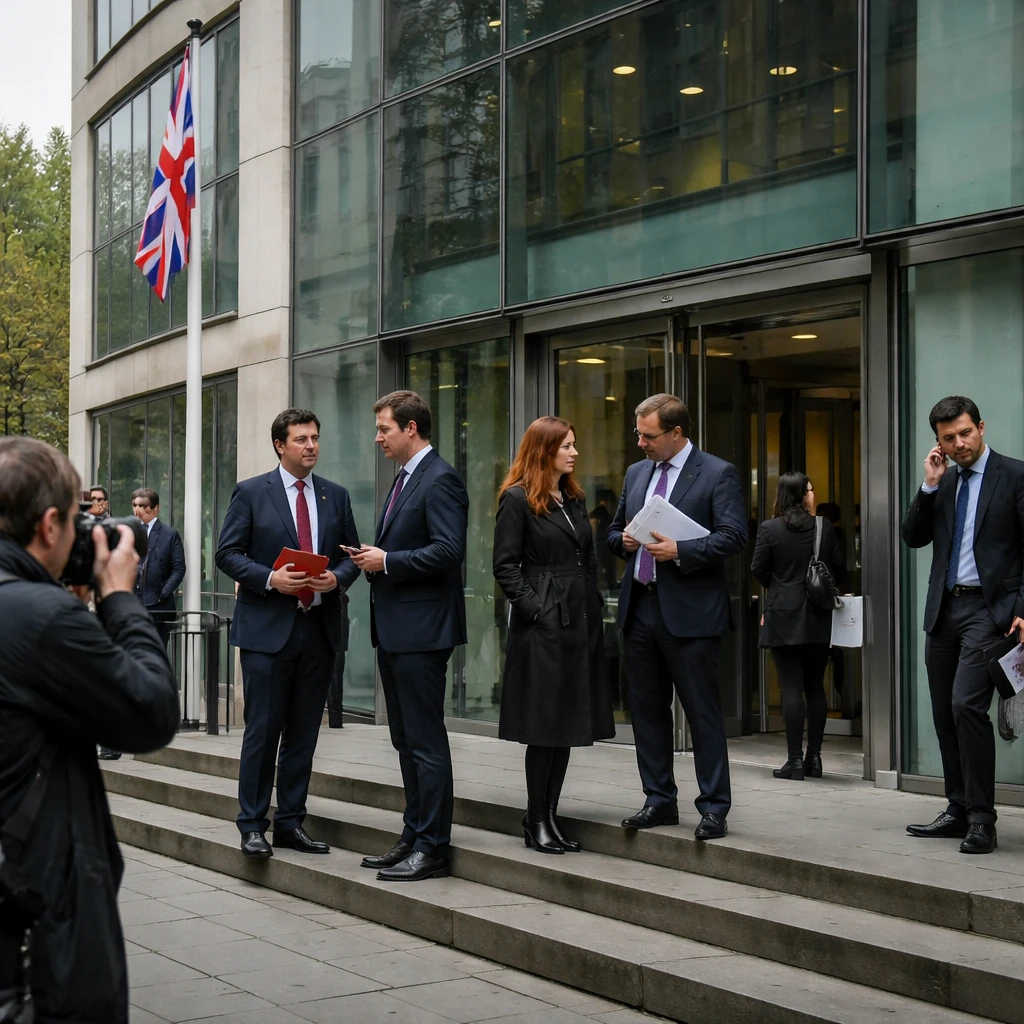
Prime Minister Keir Starmer will not set a timetable for stepping down, his official spokesman said on Monday, as calls for his resignation mount within his party following disappointing results in recent local elections.
Tom Wells, speaking to reporters, said plainly: "There will be no timetable for departure." He added that "the prime minister is getting on with governing."
The prime minister's authority has been tested after almost 100 lawmakers publicly demanded his resignation in the wake of poor local election showings earlier this month. Among senior ministers who have urged Starmer to provide a plan for leaving office is Energy Secretary Ed Miliband, but the prime minister has so far refused to outline any departure schedule.
On television Monday, Deputy Prime Minister David Lammy defended Starmer's resolve, saying on Sky News: "Keir Starmer remains the most resilient person I know in my life. We now need to unite and pull together."
During a visit to Labour Party headquarters in London on Monday, Starmer told staff he remained focused on his governmental responsibilities. A Labour Party spokesperson provided a transcript in which Starmer said: "I am focused on the job that I was asked to do, which is to serve my country and to carry out my duties as prime minister of this country." He went on: "Delivering for the very many people who voted us into office, who are saying, 'just get on with it, get on with the job, get on with the change that I need to see in my life.'"
The internal revolt has produced actions and departures, including the resignation of Health Secretary Wes Streeting. Although the situation has the hallmarks of a leadership contest, no candidate has yet secured the support of the 81 Members of Parliament required to force a formal ballot.
Greater Manchester Mayor Andy Burnham has emerged as the frontrunner in the informal scramble and is expected to be chosen to contest a by-election in Makerfield next month. For Burnham to mount a challenge to Starmer he must first win a Westminster seat. Wes Streeting has also signalled he would take part in any leadership contest that materialises.
Starmer said on Monday he would give his full backing to whichever candidate the party selects to contest Makerfield, stating he would support them "one hundred percent." "I want every member, everyone in our movement to support them," he added. "A Labour candidate to beat Reform. That is the fight that we are in."
This episode marks a period of acute internal strain for the governing party, with senior ministers publicly divided and a by-election set to be a focal point in determining whether a formal leadership challenge will be initiated.