
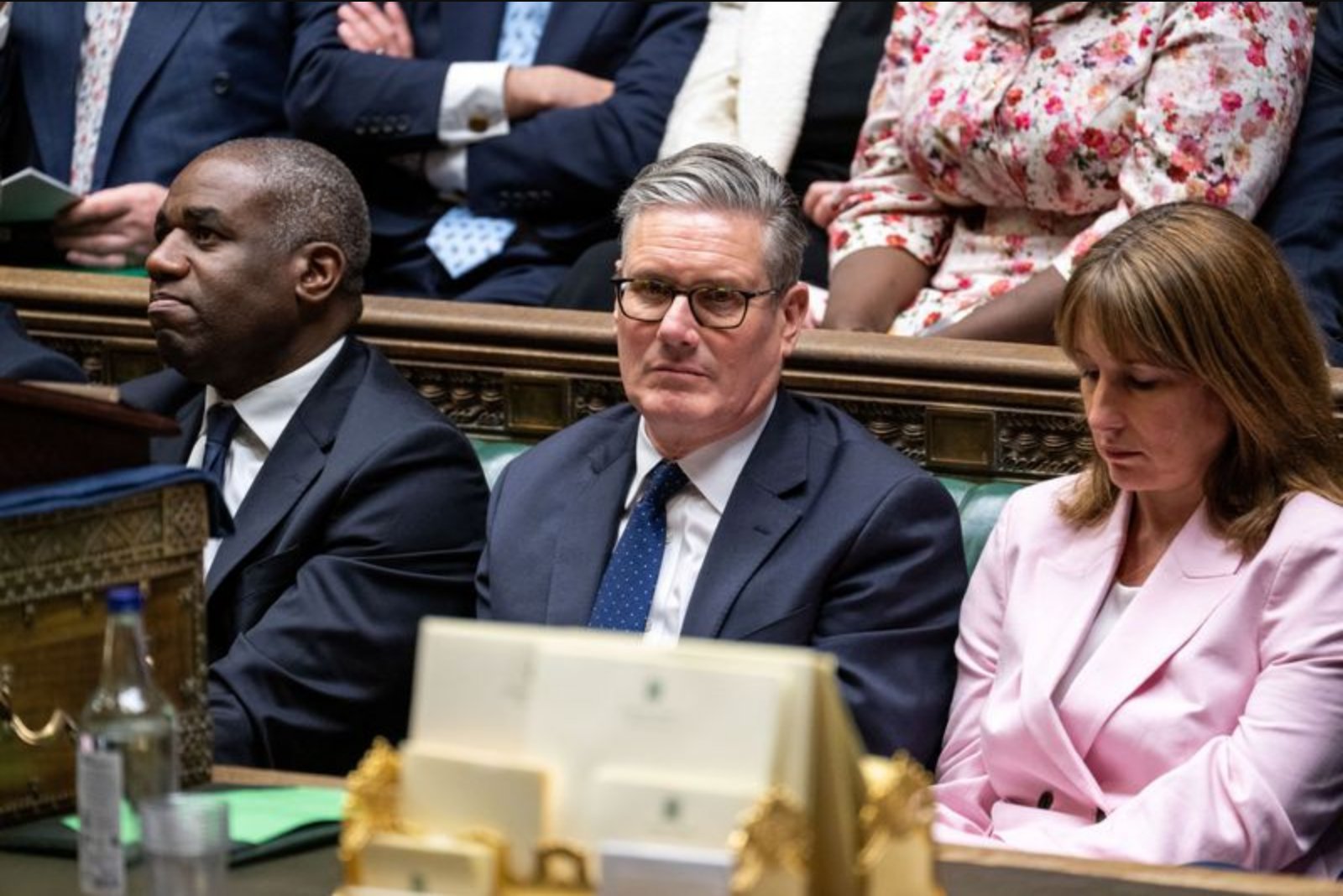
Keir Starmer’s grip on the Labour leadership came under renewed strain on Thursday as reports circulated that the party’s centrist health minister intended to step down to pursue a leadership campaign, while an influential former deputy urged the prime minister to consider his position.
Starmer has repeatedly pledged to contest any challenge, but he has not yet succeeded in quelling demands for a clear timetable for his departure following Labour’s heavy setbacks in last week’s local elections. Those losses to councils in England and devolved parliaments in Scotland and Wales prompted a wave of criticism and calls for change that have continued to reverberate through the party.
According to a report in the Times, Wes Streeting - the health minister considered to represent the party’s centre - was expected to resign later on Thursday with the apparent aim of launching a leadership bid. Allies of the prime minister, however, questioned whether Streeting had secured the necessary backing from colleagues to mount a viable campaign.
Separately, Angela Rayner, Starmer’s former deputy, said she had been cleared of deliberate wrongdoing over her tax affairs, removing a formal obstacle to any leadership ambition from her. Rayner stopped short of confirming whether she would seek the leadership. She told the Guardian that she had told Starmer this was "a really significant moment for our party and the country," adding that the "pace of change hasn’t been enough for voters to see," and that mistakes had undermined public confidence. She said he should "reflect on" whether to step aside.
On her own role, Rayner said she would continue to "play my part in doing everything we possibly can to deliver the change, because it’s not a personal ambition, I know the difference it makes." In a separate statement she said Britain’s tax authorities had cleared her of tax avoidance with no fine or penalty applied, a finding she described as exonerating her "of the accusation that I deliberately sought to avoid tax."
Starmer, 63, had hoped the public announcement of the government’s legislative agenda to King Charles would reduce pressure after the electoral defeats made clear the scale of the backlash. Despite a temporary drop in the number of calls for his resignation on Wednesday, Thursday emerged as another critical test for his leadership.
Starmer has retained the backing of most of his cabinet and adopted a "business as usual" posture, with sources close to him saying he intends to stand in any contest that may be triggered. His finance minister, Rachel Reeves, warned against precipitate moves that could destabilise the country amid an economy she said was beginning to recover. Reeves pointed to unexpected growth in March and cited reductions in waiting lists for the public health service as evidence of government investment beginning to take effect. She told the BBC that undermining the government’s programme would risk both investment in public services and the growth needed to help households with the cost of living.
Political uncertainty has already had financial repercussions. The instability has pushed up borrowing costs, as some investors express concern about the possibility of a more left-wing, tax-and-spend Labour leader emerging. Business leaders voiced frustration at the turmoil: Amanda Blanc, chief executive of Aviva, warned that frequent changes in government strategy and leadership damage the UK economy and its international reputation. "There have been too many changes of government strategy, leadership, just in my six years of being CEO, and I think that is harmful to a major economy such as the UK and how we are perceived abroad," she told Reuters.
If Starmer were to be replaced, the country would see its seventh prime minister in roughly a decade. Internal polling of Labour members by Survation published this week suggested a left-wing candidate would likely prevail in any leadership contest. Potential contenders on the left named in internal discussion include Angela Rayner, Greater Manchester Mayor Andy Burnham and Ed Miliband, the minister for energy security and net zero.
Not all prospective challengers are able to run immediately. Andy Burnham, for example, does not currently hold a seat in Parliament and would require a sitting lawmaker to stand down to give him the opportunity to become a candidate. Meanwhile, both wings of the party are actively canvassing support among MPs.
One Labour lawmaker who has not publicly called for Starmer to resign said they had been approached this week by an ally of Streeting seeking backing. "He is a nice guy, but we don’t agree on the big issues," the left-leaning lawmaker said.
For now, no leadership contest has been formally launched. But the combination of reported ministerial moves, public appeals from senior figures and market sensitivity to political flux means the coming days could be pivotal for the prime minister and for broader investor and business confidence.
Contextual note: Exchange rate mentioned in recent coverage was $1 = 0.7398 pounds.