
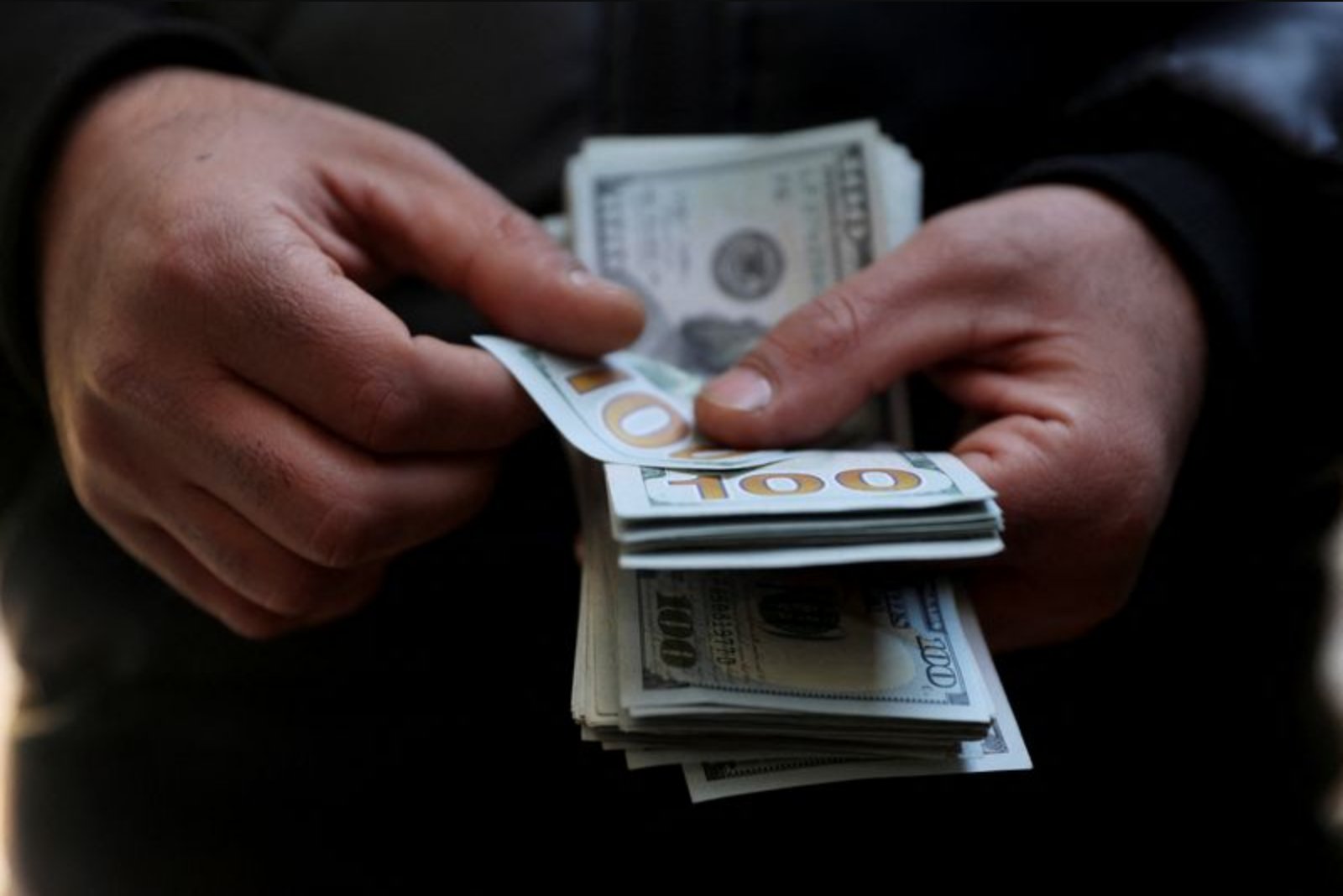
Iran’s currency slipped to an all-time low of 1,810,000 rials to the U.S. dollar on Wednesday, the Iranian Student News Agency (ISNA) reported, as previously pent-up demand for foreign exchange began to surface in open trading.
ISNA said the rial has weakened by nearly 15% over the past two days, reversing a period of relative calm that followed weeks during which demand for other currencies was restricted by wartime conditions and observance of the Iranian New Year holidays. The eased fighting has allowed holders of foreign exchange to seek conversion on open markets, applying fresh downward pressure on the rial.
A ceasefire between the U.S. and Iran has been in effect since April 8, but the United States has shifted back to a strategy of economic pressure by enforcing a blockade on shipping to and from Iranian ports in the Gulf. That move, authorities say, complicates Iran’s ability to acquire hard currency through exports.
Compounding the strain, U.S. and Israeli strikes on Iranian infrastructure have forced Tehran to halt exports of steel and petrochemical goods, sectors that historically generated significant foreign-currency earnings for the heavily sanctioned economy. The loss of those export flows reduces immediate hard-currency inflows available to stabilize the rial.
Iran’s central bank reported year-on-year inflation of 65.8% for the Iranian month spanning 20 March to 20 April. The central bank noted this trend is likely to intensify as the currency weakens and as Tehran confronts reconstruction needs arising from recent strikes.
In 2025, a combination of geopolitical uncertainty contributed to the rial losing roughly 70% of its value against the dollar, an episode that helped spark nationwide anti-government protests. Merchants from Tehran’s bazaar were among the first to voice concerns about unpredictable currency swings and the resulting difficulties in conducting business.
ISNA has said the recent jumps in the values of foreign currencies - including the euro and the Emirati dirham - should dampen once currency contracts between Iranian institutions are activated and additional hard currency becomes available on the open market. Iranian currency tracking websites showed a spread of rates, with quotes ranging from 1,760,000 to 1,810,000 rials to the U.S. dollar.
Summary
Following a ceasefire that ended six weeks of active fighting, accrued demand for foreign exchange flowed into Iran’s open market, pushing the rial to a record low of 1,810,000 per dollar. Export disruptions, a Gulf shipping blockade and elevated inflation are tightening foreign-currency supply and raising the prospect of accelerating price pressures and reconstruction-related costs.
Key points
- The rial fell to 1,810,000 per U.S. dollar, a drop of nearly 15% in the prior two days according to ISNA.
- Suspended exports of steel and petrochemical products and a shipping blockade are reducing hard-currency inflows, affecting trade and export sectors.
- Annual inflation for 20 March to 20 April stood at 65.8%, a trend that may worsen as the currency declines and reconstruction needs mount.
Risks and uncertainties
- Further weakening of the rial could accelerate inflation, worsening purchasing power across the economy and straining household and business finances - affecting retail and wholesale sectors.
- Ongoing export suspensions and the shipping blockade limit foreign-currency earnings, creating uncertainty for exporters and trade finance.
- Reconstruction demands following strikes add fiscal and external financing pressure, the scale of which remains uncertain.