
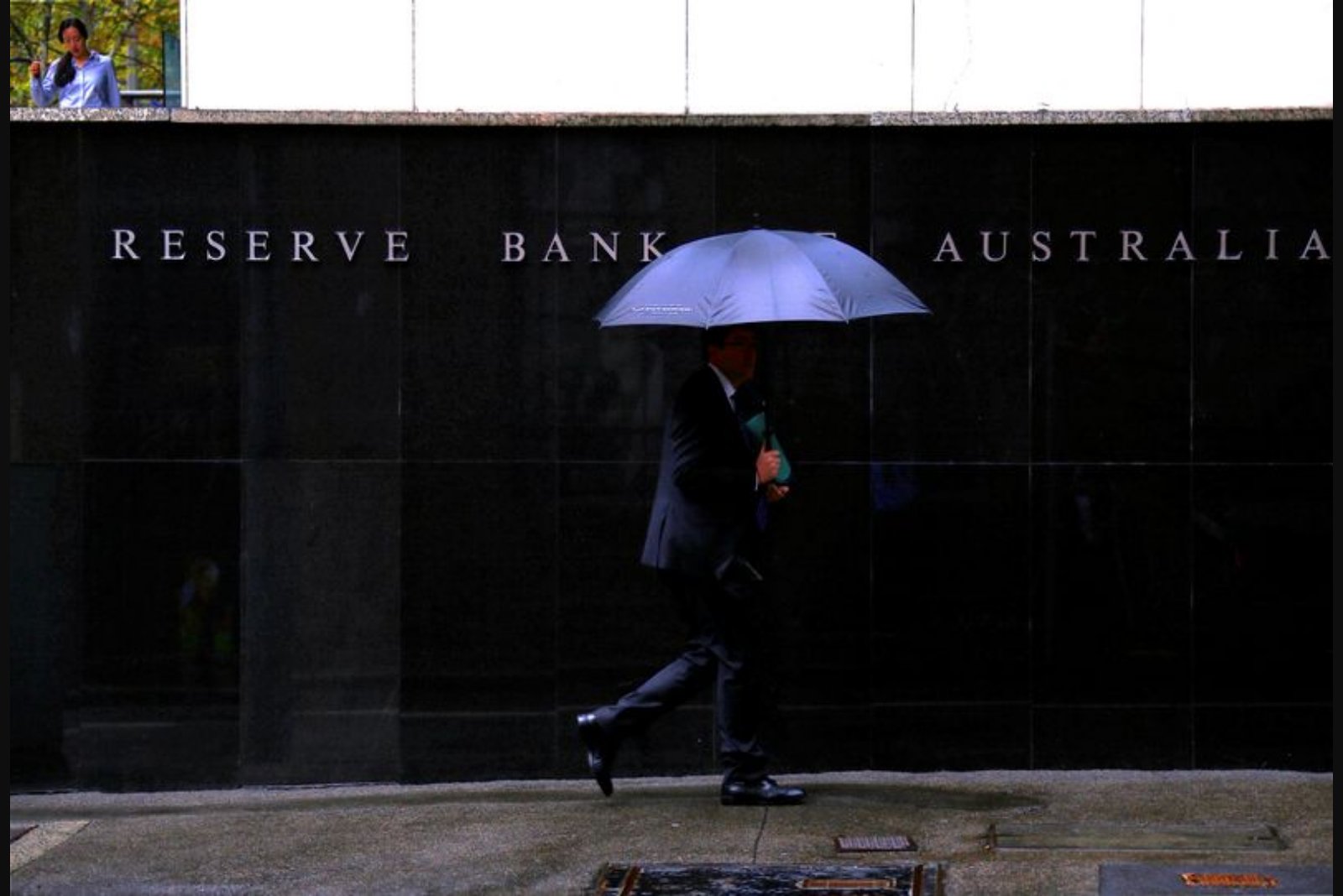
Overview
Economists surveyed in late April largely expect the Reserve Bank of Australia (RBA) to increase its official cash rate by 25 basis points at the May 5 policy meeting, taking the rate to 4.35%. The move would represent a third consecutive 25 basis-point rise and, if enacted, would reverse the interest-rate cuts implemented last year.
Poll results and how views have shifted
Between April 27 and April 30, 30 of 33 economists polled anticipated a 25-basis-point increase to 4.35% on May 5. This consensus marks a marked change from a March survey in which a small majority of economists expected rates to be around 4.10% by mid-year. While most respondents still foresee the cash rate stabilising at 4.35% through the end of the year, a larger minority than in March now project further increases, with more than one-third saying rates could climb to at least 4.60% by the end of the third quarter.
Inflation dynamics and external pressures
Inflation remains a central concern for policymakers. Headline consumer price inflation rose to 4.1% year-on-year in the most recent quarter, up from 3.6% the prior quarter, a rise that partly reflected higher fuel costs. Core measures of inflation edged upward as well, with core CPI moving to 3.5% from 3.4%.
The closure of the Strait of Hormuz - a significant shipping corridor tied to roughly a fifth of global oil exports - has heightened inflationary pressures by pushing crude prices mostly above $100 a barrel and briefly above $126 on Thursday. That spike has complicated the outlook for inflation and has led some economists to revise their rate expectations upward.
Comments from forecasters
"Our basis for a prediction of a hike is inflation is basically too high in Australia," said AMP economist My Bui. He added that prior assumptions that the closure of the Strait of Hormuz would be short-lived and mainly affect headline inflation have been challenged by recent developments. "But right now, even if it opens tomorrow, we'll see the trimmed mean inflation numbers spiking up in the second quarter," he said.
Different major banks hold varying peak-rate forecasts. ANZ, Commonwealth Bank of Australia (CBA) and National Australia Bank (NAB) expect the cash rate to peak at 4.35%, while Westpac projects a higher peak at 4.85%.
Outlook and uncertainties
The medium-term path for the cash rate is less certain. In the poll, 18 of 31 economists still expected the cash rate to remain at 4.35% for the rest of the year. However, the share of respondents forecasting a rise to 4.60% or above by the end of Q3 has increased since the prior month, reflecting elevated risks from energy markets and persistent inflation.
Luci Ellis, chief economist at Westpac, noted the RBA's recent experience with inflation rebounding after rate cuts, suggesting some within the central bank may believe a higher peak rate is necessary to re-anchor inflation expectations. Ellis said the episode from last year - when underlying inflation rose soon after cuts - could influence decisions about how high the cash rate needs to go.
Macroeconomic projections
Separately, a poll conducted last month indicated that inflation is expected to average 3.8% this year, up from 3.1% before the war, while the median forecast for economic growth this year remained at 2.2%. Economists in the current survey highlighted concerns that if the RBA does not demonstrate a sufficiently restrictive stance, higher inflation expectations among consumers could become more entrenched and more difficult to unwind.
Note: This article presents the findings and views reported in a recent survey of economists and includes direct quotations from economists cited in that survey.