
Overview
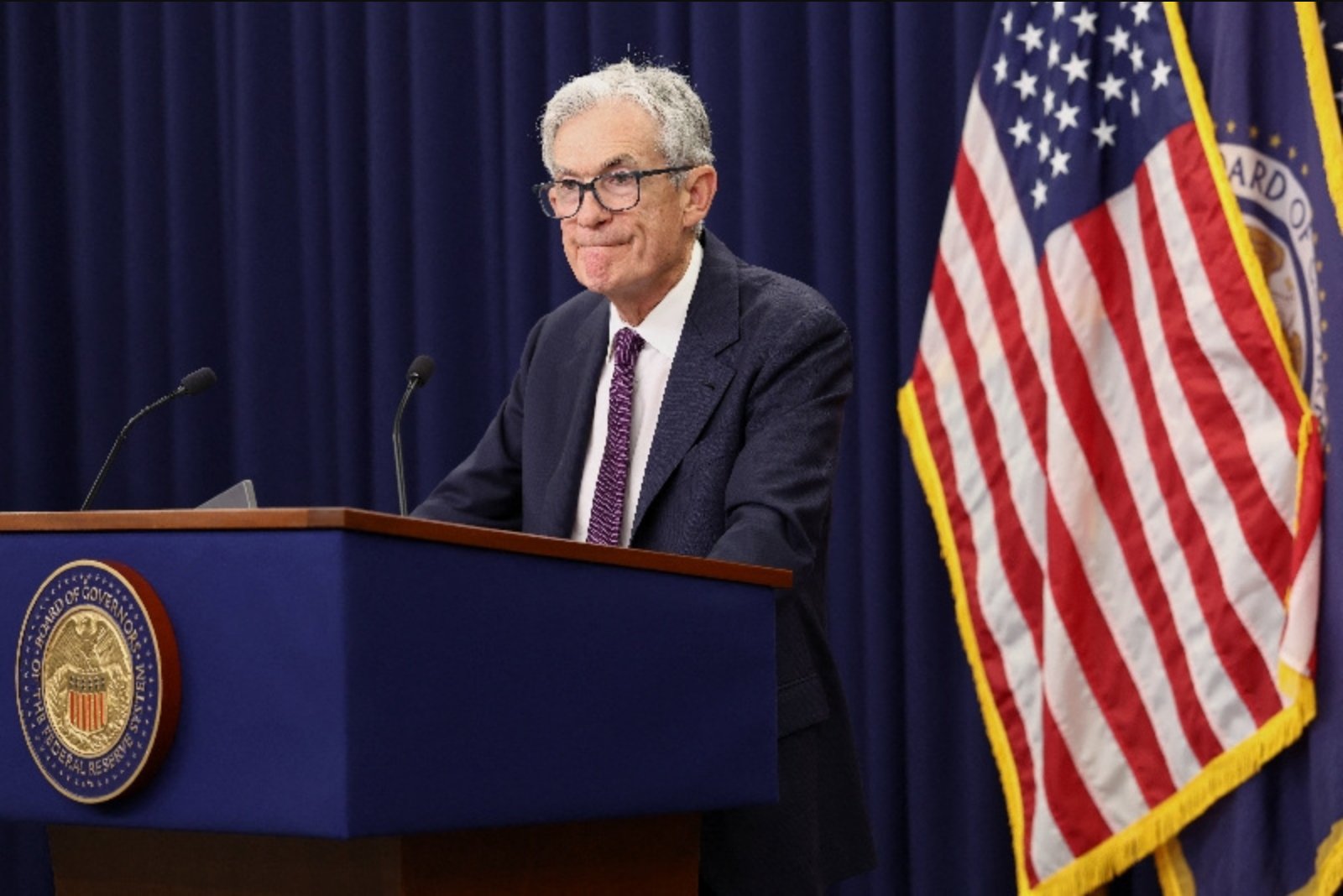
Federal Reserve Chair Jerome Powell leaves office at the end of an eight-year stretch during which he navigated both extraordinary monetary easing and unusually rapid tightening. He cut interest rates to near zero and mounted a large-scale bond-buying program to stabilize markets and the economy as the COVID-19 pandemic took hold. When inflation surged after the health crisis, he reversed course and raised rates at the fastest pace in about 40 years.
Beyond those headline policy moves, Powell altered the Fed's operational playbook twice and stepped up the central bank's public communications, engaging with the public and markets more frequently than any recent U.S. central banker. But observers and academic researchers increasingly single out another consistent feature of his leadership - a concerted focus on cultivating relationships with elected officials in Congress.
Relationship-building as central to stewardship
Powell's background - including time in the Washington area, experience as a dealmaker, a role at the Treasury Department, and work with policy-oriented research organizations - appears to have informed a style that prioritized outreach. Unlike predecessors who came from academic backgrounds, Powell consistently sought contact with lawmakers and their staffs. He treated Congress as the Fed's principal source of oversight and accountability, and as a vital defense against external attempts to interfere with central bank decisions.
That posture became particularly salient after early clashes with President Donald Trump. Powell regarded congressional relationships as a bulwark against efforts to undermine the Fed's authority to set interest rates and manage monetary policy, irrespective of pressure from the White House or other quarters.
Academic analysis of Powell's Hill activity
Research from University of Maryland assistant economics professor Thomas Drechsel, which categorized meetings by Fed chairs using public calendars, found that Powell met with members of the House and Senate from both parties with greater intensity than his immediate predecessors, Janet Yellen and Ben Bernanke. Drechsel's data indicate that the pace of meetings was highest during the period when Trump occupied the White House.
Drechsel said Powell's level of engagement with lawmakers was systematic and noteworthy given the political environment. "It was systematic," Drechsel said. "Maybe it was just natural given Powell's background. Bernanke and Yellen were academics...But given the political environment it was noteworthy that he interacted so much...One interpretation is that Powell actively worked with Congress perhaps to protect the Fed."
Political pushback and support
Powell's outreach did not win universal approval. Republican Ohio Senator Bernie Moreno sharply criticized the Fed chair in testimony before the Senate Banking Committee in 2025, and said that two meetings he had with Powell the previous year "did nothing to temper his view that he 'is hyperpolitical ... and it hurt the Fed in a gigantic way,'" a sentiment shared by some supporters of former President Trump.
At the same time, Powell's contacts on Capitol Hill appear to have had practical consequences. Drechsel's figures show Powell met 11 times with North Carolina Republican Senator Thom Tillis, and it was Tillis who, as pressure mounted on Powell, placed a hold on the nomination of incoming Fed chair Kevin Warsh until the administration stepped back from a probe that had been opened and later dropped. In the dispute over the now-dropped criminal investigation, several Senate members provided backing to Powell, a dynamic that highlighted the relevance of cultivated legislative relationships.
Succession and potential continuity
Incoming Fed Chair Kevin Warsh, like Powell, is a lawyer by training and is noted for diplomatic skills. Observers say Warsh may adopt a similar approach toward Congress, particularly as a hedge against shifts in committee leadership should Democrats secure control of Congress in future elections and alter the leadership of the Fed's primary oversight committees.
Powell's tenure combined high-stakes policy interventions with an active effort to strengthen the central bank's ties to elected officials. As his term concludes on Friday, his legacy will be assessed by both the policy decisions he made in crisis and the relationships he fostered outside the usual confines of central banking.