
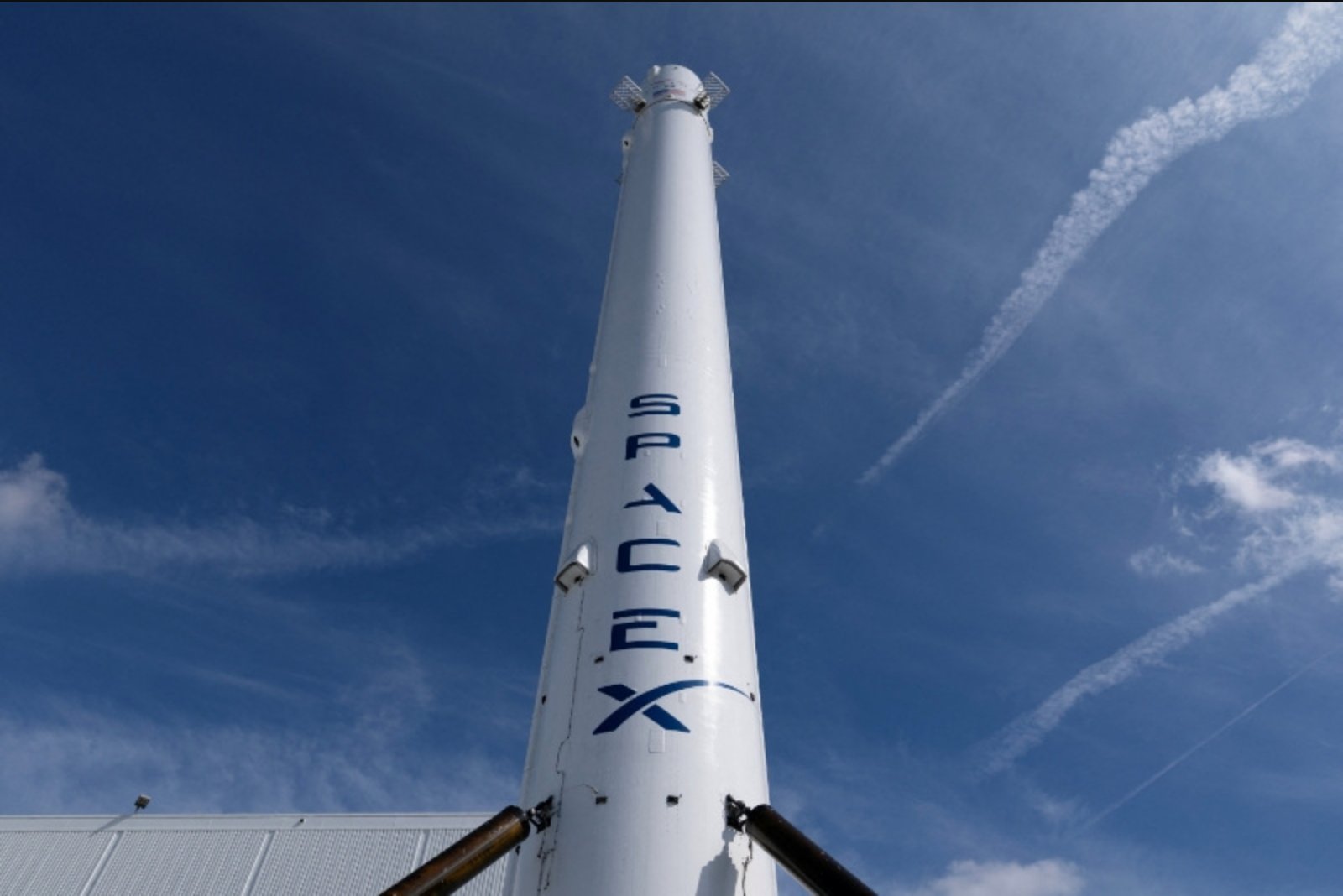
SpaceX is aiming for a valuation near $1.75 trillion in its planned initial public offering - a level that, if realized, would likely set a record for the largest U.S. stock market debut. The targeted price tag stands well above the valuations that accompanied many prominent American IPOs, including those of Alibaba, Visa and Facebook, which now operates as Meta Platforms.
Market observers note that the comparison highlights the extent to which investors would be paying for expected future expansion at the rocket and satellite firm. Several of the major past IPOs entered public markets with stronger revenue streams and clearer profit trajectories than those attributed to SpaceX at the time of their listings.
Charts that compare SpaceX with select high-profile debuts focus on valuation metrics and company fundamentals. Those side-by-side views underscore differences in revenue bases and profitability profiles between SpaceX and earlier market entrants.
Analysts say the company's proposed valuation is driven in part by the premium investors are being asked to accept for projected future growth. The scale of the valuation implies that significant execution would be required over time to justify it.
"All of these companies have had a compelling story for why rapid growth and big future profits might happen. But when a company goes public at such a high valuation, lots of things have to go right," said Jay Ritter, a University of Florida professor who monitors U.S. IPOs. "Revenue has to grow enormously, and costs have to grow more slowly. Most of the time, things don’t go according to plan."
The comparison with prior marquee listings draws attention not only to headline valuation figures but also to the underlying financial characteristics that informed earlier investors' decisions. Some of those earlier entrants had larger immediate revenue streams and more transparent profit profiles when they listed than SpaceX is reported to have.
Impacted sectors: aerospace and defense, telecommunications, capital markets.