
Economy April 29, 2026 02:59 PM

Powell Says He Will Stay at Fed Until He Deems It Appropriate, Citing Legal Challenges to Central Bank

Chair warns legal actions are eroding institutional independence and could threaten the Fed's ability to set policy free from politics

By Priya Menon
Powell Says He Will Stay at Fed Until He Deems It Appropriate, Citing Legal Challenges to Central Bank

Federal Reserve Chair Jerome Powell said he will remain in his role until he judges it is appropriate to step down, and that his choice to stay reflects concern about a string of legal challenges to the Fed. He warned those actions risk undermining the central bank's capacity to conduct monetary policy independently of political pressures and emphasized the importance of Americans relying on a politically independent central bank.

Key Points

  • Powell said he will remain at the Fed until he judges it appropriate to leave, without providing a specific timetable - impacts leadership continuity in central banking and financial markets.
  • He expressed concern that a series of legal attacks are "battering the institution" and jeopardizing the Fed's ability to conduct monetary policy free from political considerations - relevant to financial markets and institutions.
  • Powell emphasized the necessity of an independent central bank for public confidence and the functioning of the U.S. economy - affects perceptions across the broader economy, including banking and investment sectors.

Federal Reserve Chair Jerome Powell said he will leave the U.S. central bank when "I think it’s appropriate to do so," and explained that his decision to remain for the time being reflects deep concern about recent legal actions targeting the institution.

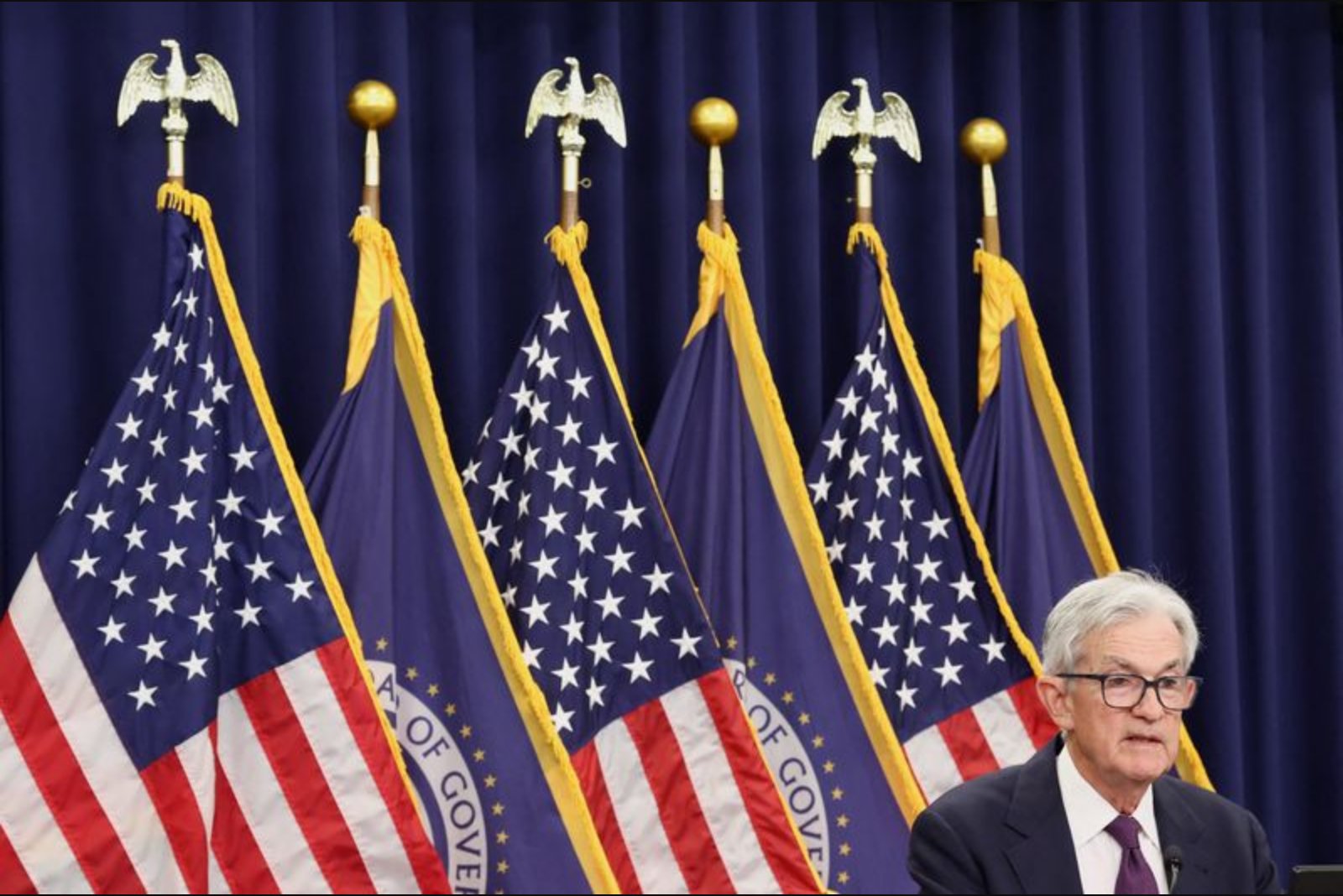
Speaking at a news conference following his final policy meeting as chair, Powell said he was worried that the legal assaults are "battering the institution and putting at risk the thing that really matters to the public, which is the ability to conduct monetary policy without taking into consideration political factors."

Powell framed the independence of the central bank as a cornerstone of the nation’s economic system, saying it is important that Americans can count on a central bank free from political influence. "It’s part of the absolute foundation of this amazing economy that we have. It’s just one of the many reasons why the U.S. economy is the envy of the world," he said.

He also clarified that his decision to stay was not motivated by verbal criticism from elected officials, distinguishing between speech and the legal challenges he described as posing a more serious threat to the Fed's functioning.

The comments came at the end of a Fed policy session, where Powell held a news conference as chair. He did not set a specific timetable for his departure beyond the statement that he would leave when he personally judged it appropriate to do so.

Powell's remarks emphasized two themes: the vulnerability of the Fed to legal actions that could impede its policy-making autonomy, and the broader importance of institutional independence to public confidence in monetary policy. He underscored that protecting the Fed's ability to make decisions without taking into account political factors is what matters most to the public.

By characterizing the legal challenges as battering the institution, Powell highlighted a perceived escalation in threats that, in his view, extend beyond ordinary political criticism. He urged the public interest in maintaining a central bank whose decisions are not driven by political considerations.


Context and closing - Powell's statements at his final press conference as chair reiterated his commitment to safeguarding the central bank's independence and explained why he plans to remain until he considers it the right moment to step down.

Risks

  • Legal challenges to the Federal Reserve that, according to Powell, could threaten its ability to conduct monetary policy without regard to political factors - risk to monetary-policy effectiveness and financial-market stability.
  • Erosion of public confidence in a politically independent central bank if legal actions continue to batter the institution - potential risk to banking and investment sector expectations.

More from Economy

Customs Agency Says First Electronic Refunds for Trump's Tariffs Could Begin May 12 May 4, 2026 Iran's Araghchi Says Military Action Won't Resolve Hormuz Standoff, Voices Cautious Hope on Pakistan-Brokered Talks May 4, 2026 Westpac’s H1 profit underperforms as margins and credit charges weigh May 4, 2026 Oil Surge and Rising Yields Push Risk Assets Lower as Strait of Hormuz Tensions Mount May 4, 2026 IMF Managing Director Warns of Sharper Global Strain if Middle East War Extends into 2027 May 4, 2026