
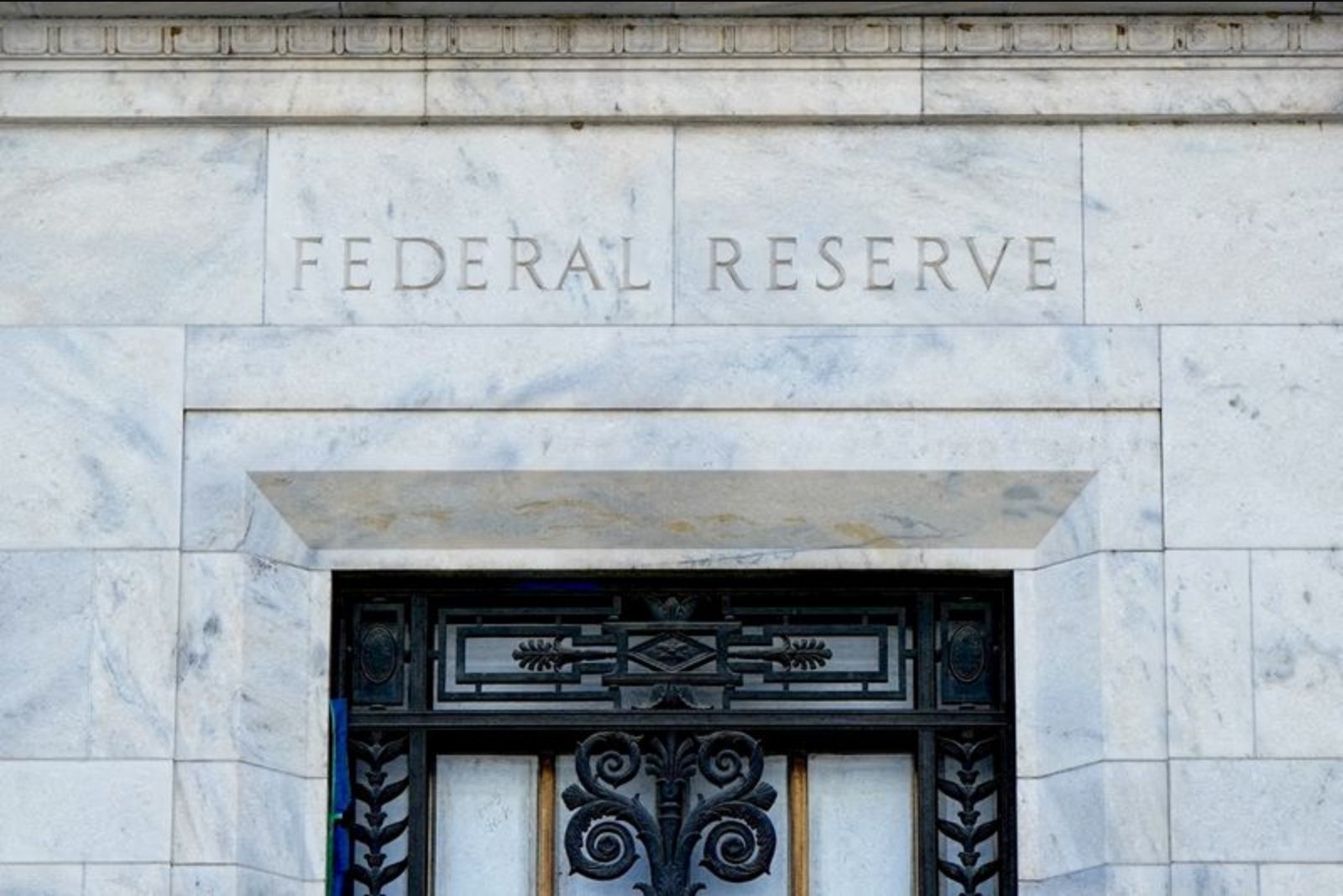
The Federal Reserve's annual consumer survey, fielded in October with 13,099 respondents, found that most Americans continued to describe their household finances as relatively sound, while concerns about inflation and job security persisted and shifted in small but notable ways.
Seventy-three percent of those polled said they were "doing okay financially" or "living comfortably," a share that remained unchanged from 2024. At the same time, perceptions of the national economy were subdued: just 26% rated the national economy as "good" or "excellent," down from 29% in 2024 and markedly below the 50% level recorded in 2019 before the COVID-19 pandemic.
The survey, taken as President Donald Trump was completing his first year back in the White House, highlighted that aggregate stability in self-assessed household finances masks declines for some groups. Low-income households, younger adults and Black respondents registered meaningful drops in their evaluations of financial well-being compared with the prior year.
Inflation remained the leading concern for respondents, with more than nine out of 10 citing price increases as an issue. The share identifying inflation as a "major concern" eased somewhat, and the proportion reporting that they had changed their behavior in response to higher prices edged down to 77% from 79% the year before.
Concerns about the job market increased modestly. The survey found 42% of respondents listed finding or keeping a job as either a minor or major concern, up from 37% in 2024. The Fed noted that this shift aligns with broader labor market indicators showing a sharp slowdown in hiring in 2025 and a longer duration of unemployment for those who lost work.
On a commonly watched liquidity question, 63% of respondents said they had enough cash to cover an unexpected $400 emergency expense, the same share as reported the year prior. That stability in short-term liquidity came alongside the mixed signals on jobs and prices.
For the first time, the survey included questions about generative artificial intelligence. About one in four workers said they had used AI tools at work in the month before the survey. Among those users, more reported expecting AI to improve their careers than expecting it to replace their jobs.
The results portray a population that largely rates its personal finances as adequate while remaining vigilant about inflation and increasingly uneasy about employment prospects. The survey captures these attitudes during a specific political and economic moment and underscores variation across demographic groups.
Data notes: The survey was conducted in October and encompassed 13,099 respondents. The timing coincided with the end of President Donald Trump's first year back in office. The report compares several measures with 2024 and with pre-pandemic 2019 levels where available.