
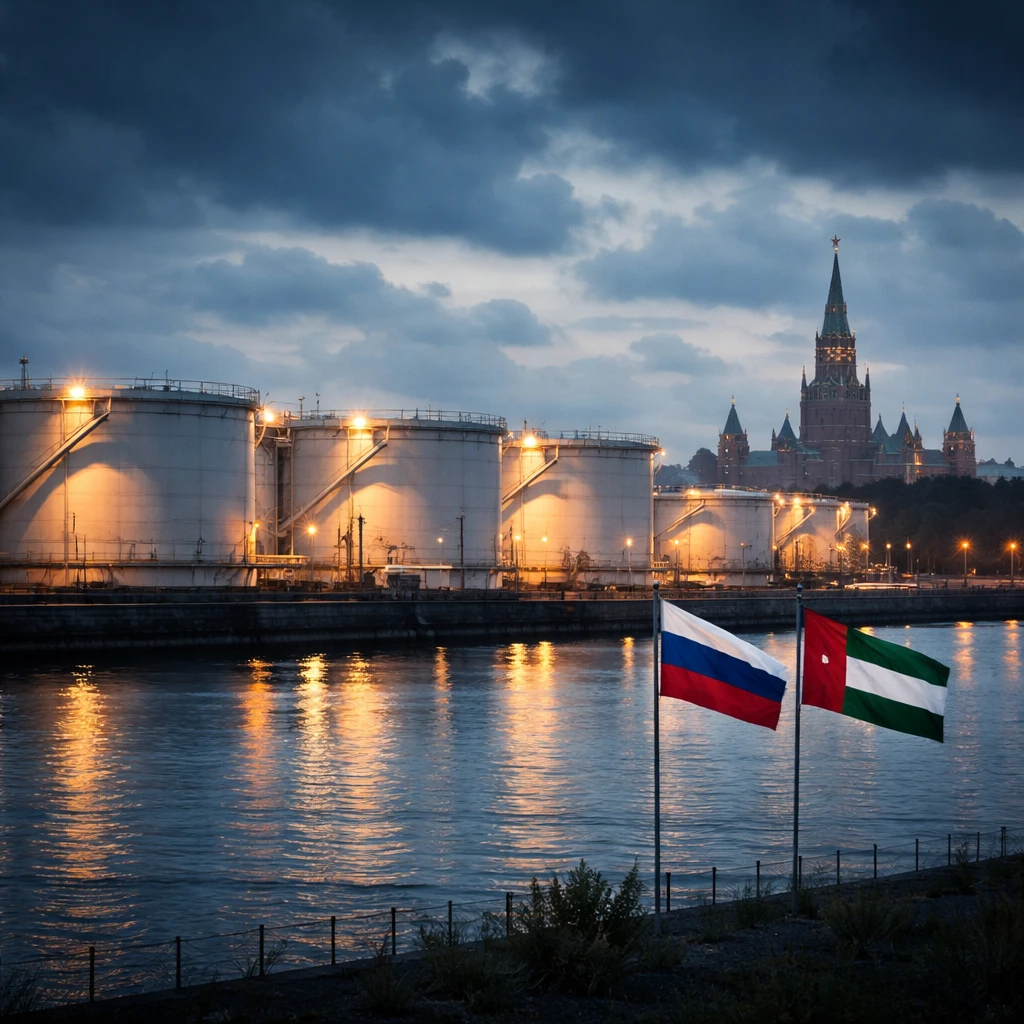
Russia will continue its participation in the OPEC+ group despite the United Arab Emirates' decision to withdraw, the Kremlin said on Wednesday. The announcement came after the UAE stated on Tuesday that it was leaving the alliance of oil-producing countries.
Kremlin spokesman Dmitry Peskov characterized the UAE’s exit as a sovereign decision that Russia respects. He added that Moscow hopes the departure will not mean the termination of the OPEC+ format, citing the role of coordination within that framework in stabilizing global markets.
Peskov said Russia welcomed the UAE’s statement that Abu Dhabi will maintain policy coordination on global energy markets. The Kremlin also indicated it expects energy dialogue with the UAE to continue going forward.
In direct comments about Russia’s own position, Peskov confirmed that Russia is not planning to leave OPEC+. His remarks framed the UAE decision as one country’s choice while underlining Moscow’s interest in preserving multilateral coordination on energy questions.
The Kremlin referenced strains within the region, noting that an energy crisis tied to the Iran war has revealed divisions among Gulf nations. Within that context, Moscow’s statements emphasized both respect for sovereign choices and the pragmatic value it places on the continuing alignment that OPEC+ has provided.
Summary
The UAE on Tuesday announced it was quitting OPEC. Russia, through Kremlin spokesman Dmitry Peskov, said on Wednesday that it will remain in OPEC+ and hopes the group's coordinating framework endures. Russia welcomed the UAE’s indication that it will still coordinate policy on global energy markets and said it expects continued energy dialogue with Abu Dhabi.
Key points
- Russia has no plans to exit OPEC+ and intends to remain in the group, according to Dmitry Peskov.
- The UAE announced its decision to leave OPEC on Tuesday, a move Moscow describes as a sovereign choice it respects.
- Kremlin officials said coordination under OPEC+ is important for stabilizing global energy markets and that Russia welcomes the UAE’s statement on continued policy coordination.
Risks and uncertainties
- Potential fragmentation of the OPEC+ arrangement - the UAE’s departure raises uncertainty about the format’s future and its ability to coordinate policy across member states; this could affect oil market participants and energy trading.
- Regional divisions exposed by the Iran war-related energy crisis - those divisions underline the possibility of reduced consensus among Gulf producers, which may influence oil and gas market dynamics and related sectors.
- Continuity of multilateral energy dialogue - while Russia expects ongoing dialogue with the UAE, the course and intensity of such coordination remain uncertain.