
Economy April 29, 2026 10:04 AM

IAEA Chief Says Iran Could Retrieve Near Weapons-Grade Uranium from Bombed Sites

Inspectors have not visited the locations in 10 months as talks to reopen the Strait of Hormuz continue intermittently

By Ajmal Hussain
IAEA Chief Says Iran Could Retrieve Near Weapons-Grade Uranium from Bombed Sites

The International Atomic Energy Agency says Iran could access a stockpile of near weapons-grade uranium located at sites struck by US forces, and that satellite imagery indicates much of the material remains where it was last observed near Isfahan. IAEA inspections of those sites have not taken place for 10 months, and negotiations between Washington and Tehran over reopening the Strait of Hormuz remain sporadic.

Key Points

  • IAEA says Iran could retrieve a near weapons-grade uranium stockpile from sites struck by US forces; satellite images show most material still at the last known location near Isfahan.
  • IAEA inspectors have not visited the locations where the material is stored in 10 months, making satellite monitoring the primary source of information.
  • Diplomatic exchanges between Washington and Tehran over reopening the Strait of Hormuz continue intermittently; Iran has reportedly proposed reopening the waterway in exchange for lifting a US blockade of its ports.

The International Atomic Energy Agency (IAEA) said it believes Iran could recover its near weapons-grade uranium that is stored at locations hit by US strikes, but inspectors have not been allowed to conduct on-site checks for an extended period.

"It is accessible if there’s a wish to go there," IAEA chief Rafael Mariano Grossi said Wednesday in an interview on Bloomberg TV. Grossi added that IAEA inspectors have been unable to visit the sites where the material is held for 10 months.

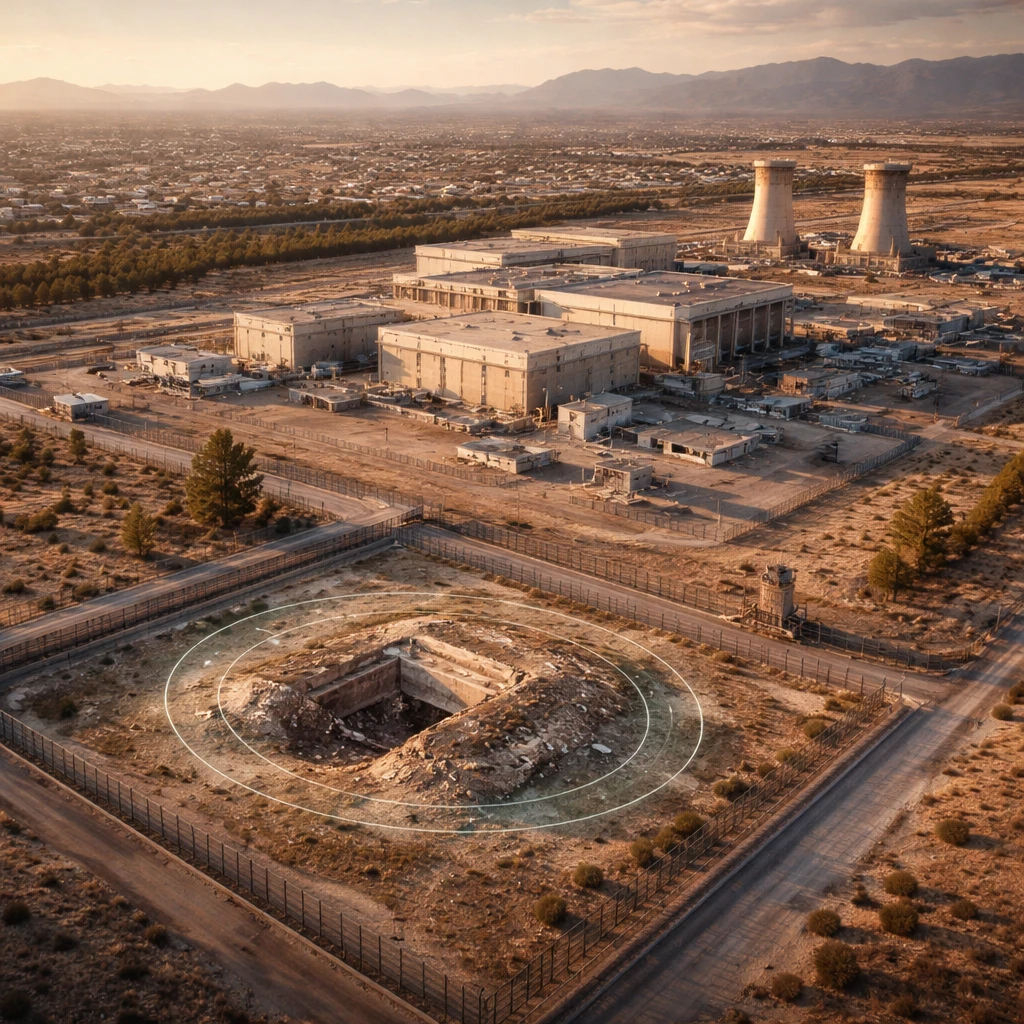
According to the agency chief, recent satellite imagery indicates that the bulk of the material remains buried at the site where it was last observed near the city of Isfahan. The IAEA has used such imagery to monitor the locations in the absence of physical inspection.


Separately, Grossi described ongoing, intermittent contact between the agency and US officials as efforts continue to find a diplomatic resolution to the wider conflict that has disrupted energy shipments through the Strait of Hormuz.

Grossi said he is in touch with White House Special Envoy Steve Witkoff and Jared Kushner. "It’s on and off but there is a conversation," he said, emphasizing the agency's role. He also warned that verification is essential, saying: "An agreement without verification is an illusion."

The conflict has continued to impede energy flows through the Strait of Hormuz. Before the war began in February, about a fifth of the world’s oil and liquefied natural gas transited that waterway, the IAEA head noted.

In what has been described as a possible interim diplomatic step, Iran has reportedly offered to reopen the Strait of Hormuz in return for the United States lifting a blockade on Iranian ports, while deferring more complex negotiations on its nuclear program.

With inspectors absent from the bombed sites for 10 months and satellite observations forming the primary basis for the IAEA’s current assessment, agency officials say verification will remain central to any durable agreement and outcome.

Risks

  • Verification gap - inspectors have not accessed the bombed sites for 10 months, creating uncertainty about on-the-ground conditions and complicating arms control verification (affects nuclear verification authorities and global security oversight).
  • Energy supply disruption - the ongoing conflict continues to limit flows through the Strait of Hormuz, a key transit route that carried about one-fifth of global oil and LNG before the war (affects energy markets and downstream industries).
  • Fragile diplomacy - talks between Washington and Tehran are intermittent, and any agreement lacking independent verification would be unreliable, according to the IAEA chief (affects geopolitical stability and markets sensitive to geopolitical risk).

More from Economy

Customs Agency Says First Electronic Refunds for Trump's Tariffs Could Begin May 12 May 4, 2026 Iran's Araghchi Says Military Action Won't Resolve Hormuz Standoff, Voices Cautious Hope on Pakistan-Brokered Talks May 4, 2026 Westpac’s H1 profit underperforms as margins and credit charges weigh May 4, 2026 Oil Surge and Rising Yields Push Risk Assets Lower as Strait of Hormuz Tensions Mount May 4, 2026 IMF Managing Director Warns of Sharper Global Strain if Middle East War Extends into 2027 May 4, 2026