
Economy May 7, 2026 08:35 AM

EU Says Iran Conflict Not Causing Tourism Shock That Warrants Emergency Aid for Airlines

Draft guidance signals no sector-wide rescue, confirms passenger rights and fuel supply status ahead of Commission publication

By Nina Shah

Draft European Union guidance indicates the fallout from the Iran war has not produced conditions comparable to the COVID-19 crisis and does not justify targeted emergency measures for tourism or airlines. The document notes there are no EU-wide jet fuel shortages, reiterates passenger reimbursement and re-routing rights, and outlines narrow exceptions where local fuel shortages could affect compensation obligations. The European Commission is set to publish the guidance on Friday.

EU Says Iran Conflict Not Causing Tourism Shock That Warrants Emergency Aid for Airlines

Key Points

  • EU draft guidance says current Iran war impact on tourism does not justify emergency measures similar to COVID-19 - sectors affected: airlines, tourism.
  • Draft reports no EU-wide jet fuel shortages and confirms passenger rights to reimbursement, re-routing or return - sectors affected: aviation, consumer protections.
  • Local fuel shortages may exempt airlines from compensation for cancelled flights, but cancellations due to high fuel prices do not qualify for this exemption - sectors affected: airlines, energy/fuel markets.

The European Union will tell carriers that the impact of the Iran war on tourism and aviation does not, at this stage, justify dedicated emergency support for the sector, according to draft EU guidelines. The document states that the present circumstances differ from the severe disruption that prompted extraordinary measures during the COVID-19 crisis.


The draft guidance, which the European Commission plans to publish on Friday, makes several operational and legal clarifications for airlines and airports.

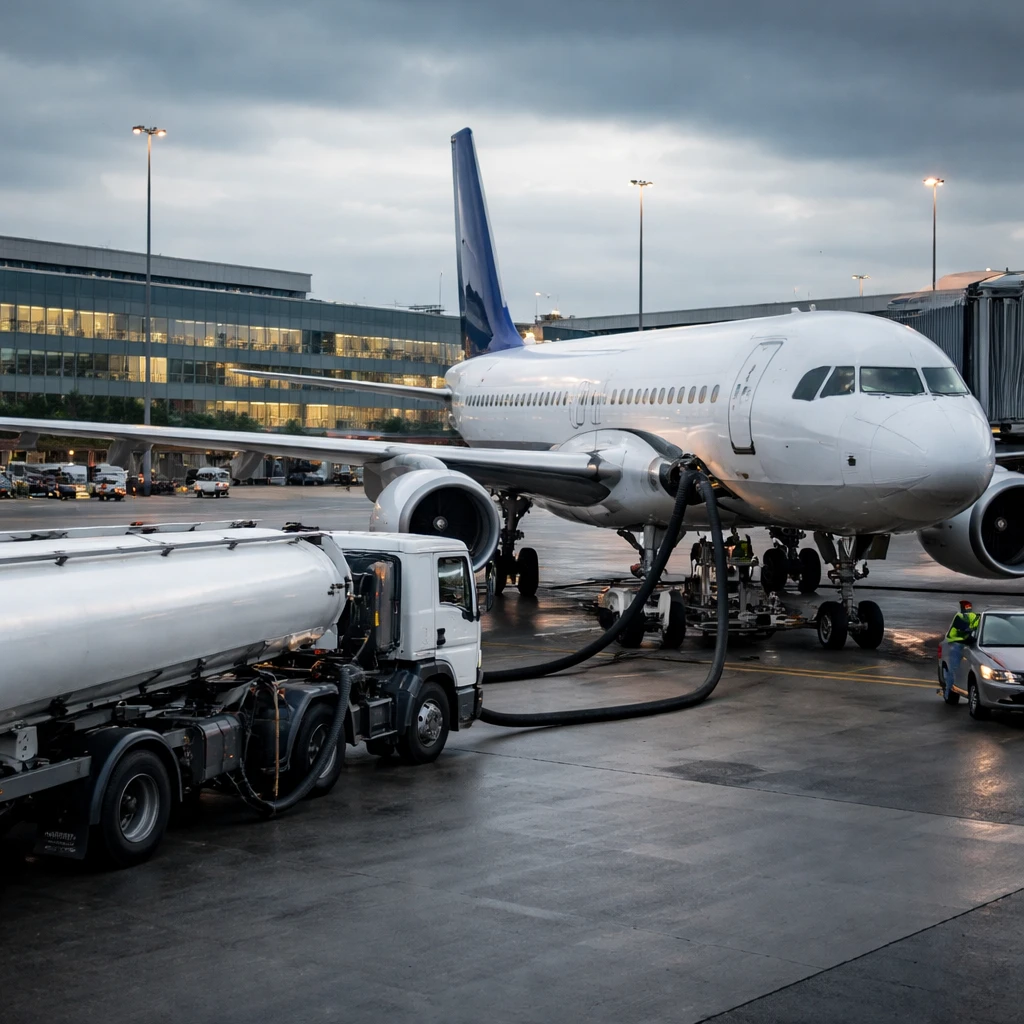
First, the document reports there are no jet fuel shortages across the EU. That assessment frames the Commission's view that immediate supply disruptions do not currently underpin a need for sector-wide emergency intervention.

Second, the guidance reiterates passengers' entitlements under existing EU law. When flights are cancelled, passengers retain the right to reimbursement, re-routing or return. The draft stresses that those rights remain in force and are not being suspended by the current situation.

Third, the guidance sets out conditions under which airlines could be relieved from paying compensation after cancellations. A local fuel shortage could be treated as an exceptional circumstance that removes the compensation obligation. By contrast, the document makes clear that cancellations caused by high jet fuel prices do not meet that threshold and would not exempt airlines from compensation responsibilities.

Fourth, the draft clarifies that elevated jet fuel prices alone should not be considered a "serious disturbance of operations" that would justify waiving airport slot rules. That distinction preserves the standard slot allocation framework even where fuel costs increase.

Finally, the guidance notes industry discussions around fuel-grade flexibility. It reports that carriers and fuel suppliers are evaluating whether Jet A grade fuel can be used at locations where Jet A-1 is typically supplied to help secure fuel availability. The draft confirms there is no legal prohibition on using Jet A instead of Jet A-1, and that airlines may already use either grade.

The guidance ties these operational assessments together to explain why the Commission does not currently view the situation as warranting the sort of sector-specific measures deployed during the pandemic. It leaves room for local, circumstance-driven exemptions around compensation but maintains EU-wide passenger protections and slot rules.

Risks

  • Localised fuel shortages could create exemptions from compensation obligations for airlines, introducing operational and legal uncertainty for carriers and passengers - impacts airlines and consumer protection enforcement.
  • High jet fuel prices, while not a valid excuse to avoid compensation or to waive airport slot rules, may still strain airline operating costs and margins without triggering regulatory relief - impacts airline profitability and fuel markets.
  • The industry evaluation of using Jet A instead of Jet A-1 to secure supply leaves unanswered practical and logistical questions at specific locations, creating short-term supply risk while adjustments are considered - impacts fuel logistics and airport operations.

More from Economy

HKMA reassigns five executive directors in leadership succession move May 7, 2026 Hungary Central Bank Will Look to June CPI as Next Policy Checkpoint May 7, 2026 Czech National Bank Keeps Policy Rate at 3.50% as Global Supply Disruption Raises Inflation Risks May 7, 2026 Mexico's annual inflation slows to 4.45% in April, under forecasts May 7, 2026 Mexico’s inflation rate slows in April, opening door to further rate easing May 7, 2026