
Most emerging market equities and currencies fell on Thursday as fresh reports that the Iran war might intensify sent oil prices sharply higher, rekindling concerns about inflation and supply disruptions in a strategically important shipping region.
Late on Wednesday, an Axios report said former U.S. President Trump was scheduled to receive a briefing on plans for a series of new military strikes on Iran intended to press Tehran back to negotiations. The report coincided with Brent crude rising to a four-year high, with oil prices jumping more than 7% on the day.
Since the outbreak of the Iran conflict, global markets have felt the effects, with particular anxiety over how higher energy costs and shipping interruptions could feed into price pressures. The MSCI indexes that track global emerging market currencies and stocks fell 0.2% and 1.2% respectively on Thursday, though both were on course for strong monthly returns.
The emerging market stocks gauge was set for its largest monthly advance since November 2022, reflecting a rebound in risk appetite earlier in the month after the United States and Iran announced a temporary ceasefire that was subsequently extended even as substantive negotiations remained stalled.
"With no sign of any peace talks and fears mounting about an escalation, oil prices have continued their gains of recent days... investors are pricing in a more protracted conflict," said analysts at Deutsche Bank.
On the day, most benchmarks were lower, including several Asian markets that had enjoyed strong recent gains driven in part by enthusiasm around artificial intelligence. Bourses in South Korea and Taiwan recorded their best month in decades.
Among specific markets, Romanian stocks were flat while Hungarian equities rose 1%. Polish equities slipped 0.6% and Turkish shares advanced 0.4%. South African stocks outperformed, gaining 0.7% as gold climbed more than 1% - notable given bullion is one of the country's top exports.
Fed divide and market expectations
Meanwhile, attention remained on U.S. monetary policy. On Wednesday the Federal Reserve held interest rates steady at what was Jerome Powell's final meeting as Fed Chair. The meeting exposed deep disagreement within the Federal Open Market Committee - the most divided board since 1992 - with four members dissenting.
Financial markets scaled back expectations for rate cuts this year, with traders increasingly pricing in a longer pause in policy easing through 2026.
"Three Fed members opposed the post-meeting language suggesting the central bank would eventually resume cutting interest rates, arguing it was too early to signal easing while the inflation outlook remains uncertain," said Ipek Ozkardeskaya, senior analyst at Swissquote Bank. "This divergence could complicate the Fed's communication under the new Chair, particularly as policy expectations evolve."
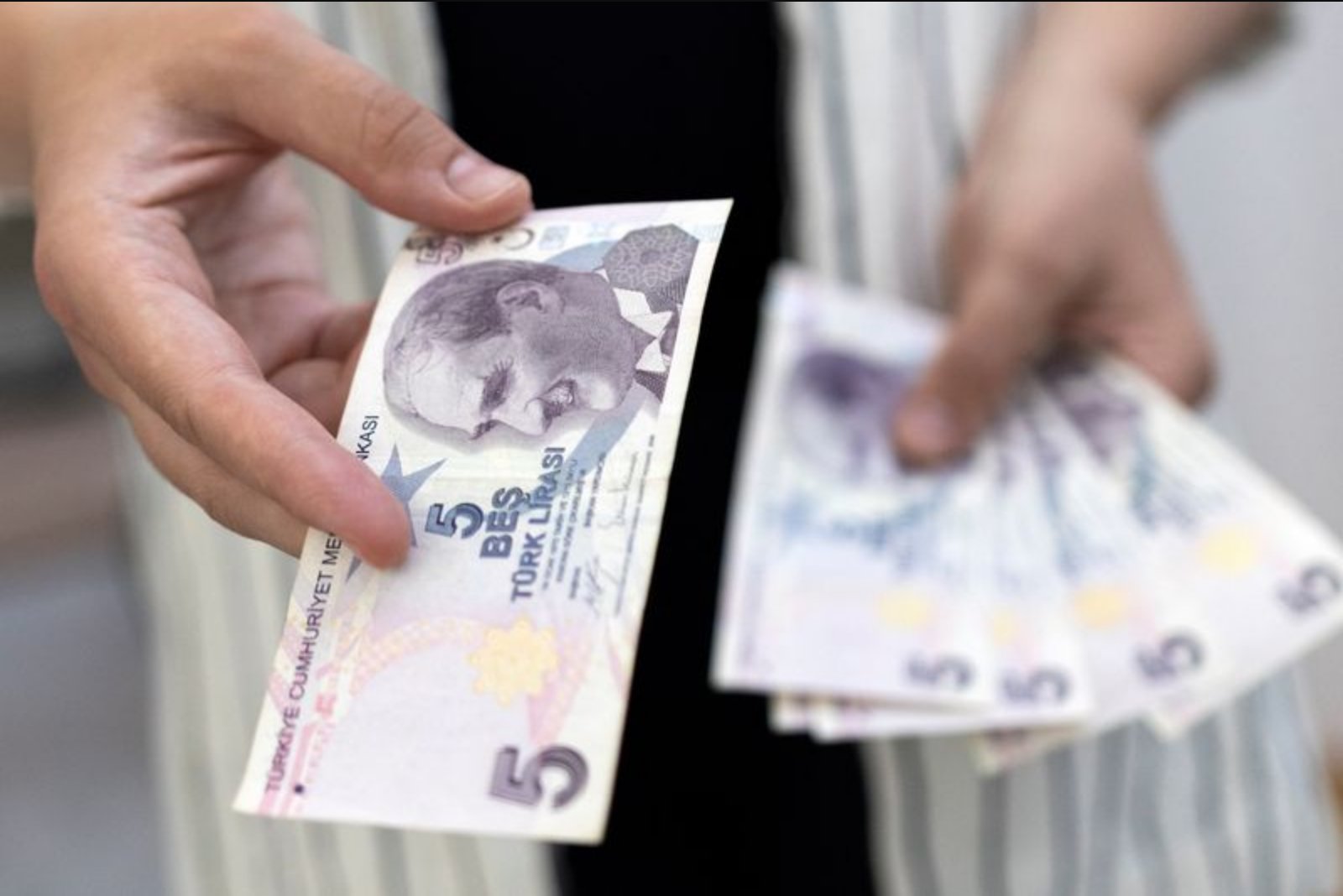
Currency movements in emerging markets were mixed. Turkey's lira fell 0.3% and South Africa's rand was flat. Emerging European currencies showed varied performance versus the euro; Romania's leu and Hungary's forint slid 0.7% and 0.8% respectively.
The Hungarian forint was, however, on track for its strongest monthly appreciation since June 2012 as investor inflows followed a sweeping election victory by the centre-right Tisza party earlier in the month.
Regional economic and market developments
Preliminary data from Russia indicated the economy contracted by 0.3% in the first quarter, marking its first quarterly contraction since early 2023. The contraction was reported on Wednesday.
Elsewhere in emerging markets, Sri Lankan bonds declined broadly by over 1 cent on the dollar each amid pressure from the sharp spike in oil prices.
Highlights
- Hungary's central bank governor told HVG.hu that inflation could exceed 5% in the second half of the year.
- Asia's bond markets have continued to issue record local debt, apparently absorbing war-related anxieties.
- Rising energy costs pushed Polish inflation above forecasts in April.
Investors remain watchful of the potential for further military escalation in the Middle East and of the Fed's internal split as key drivers for market volatility and economic outcomes across emerging markets.