
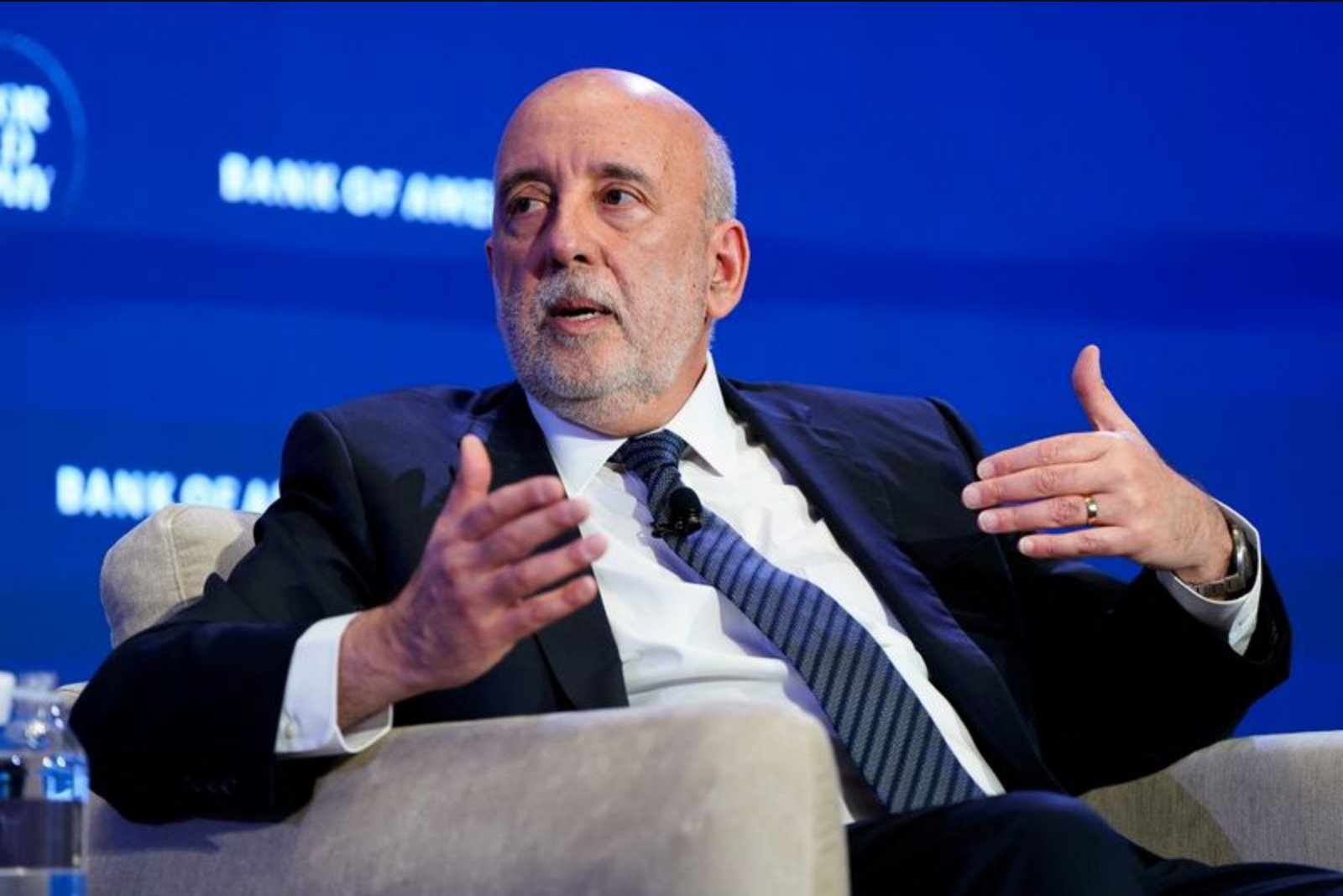
Dublin, May 1 - Gabriel Makhlouf, a member of the European Central Bank Governing Council, said he is concerned that energy prices could remain higher for longer in the absence of a clear timeline for the end of the Middle East conflict, and that he will be watching carefully for consequent effects across the economy.
In a post on the Irish central bank's website on Friday, Makhlouf set out the channels he will be tracking as policymakers assess the persistence of inflationary pressures. "I will be paying close attention to indirect effects, that is how higher energy prices are contributing to cost-push inflation in production, transportation, and services," he wrote.
Makhlouf noted that some consequences will take longer to materialize. "Potential second-round effects via wages will take longer to show up, given the staggered nature of wage-setting in Europe. In the meantime, inflation expectations need to be closely monitored for signs of de-anchoring," he added.
His blog post came a day after the ECB decided to leave interest rates unchanged while debating the possibility of future hikes. The remarks underline a focus among some policymakers on how an extended period of elevated energy prices could transmit into broader price dynamics through immediate cost pressures and, over time, through wages.
Makhlouf's emphasis on indirect, or cost-push, channels highlights specific sectors where higher energy costs can feed into overall inflation - notably production, transportation, and services - and where central bank vigilance is therefore heightened. He also pointed to the delayed nature of wage responses because of staggered contractual arrangements, meaning that labour-cost-driven inflation may lag initial energy shocks.
Beyond the direct cost impacts, Makhlouf stressed the importance of watching inflation expectations. He indicated that any sign of expectations losing their anchored status would be a critical signal for policymakers, given the potential for expectations to influence actual inflation outcomes.
Taken together, the comments reflect concern about the persistence of energy-driven inflation and the transmission mechanisms that could complicate monetary policy decisions if higher energy costs endure.
Summary
Makhlouf warned energy prices may stay elevated without a clear end to the Middle East conflict; he will monitor cost-push inflation in production, transportation and services, assess delayed wage effects because of staggered wage-setting, and watch inflation expectations for de-anchoring. His comments followed an ECB decision to hold rates while debating potential hikes.