
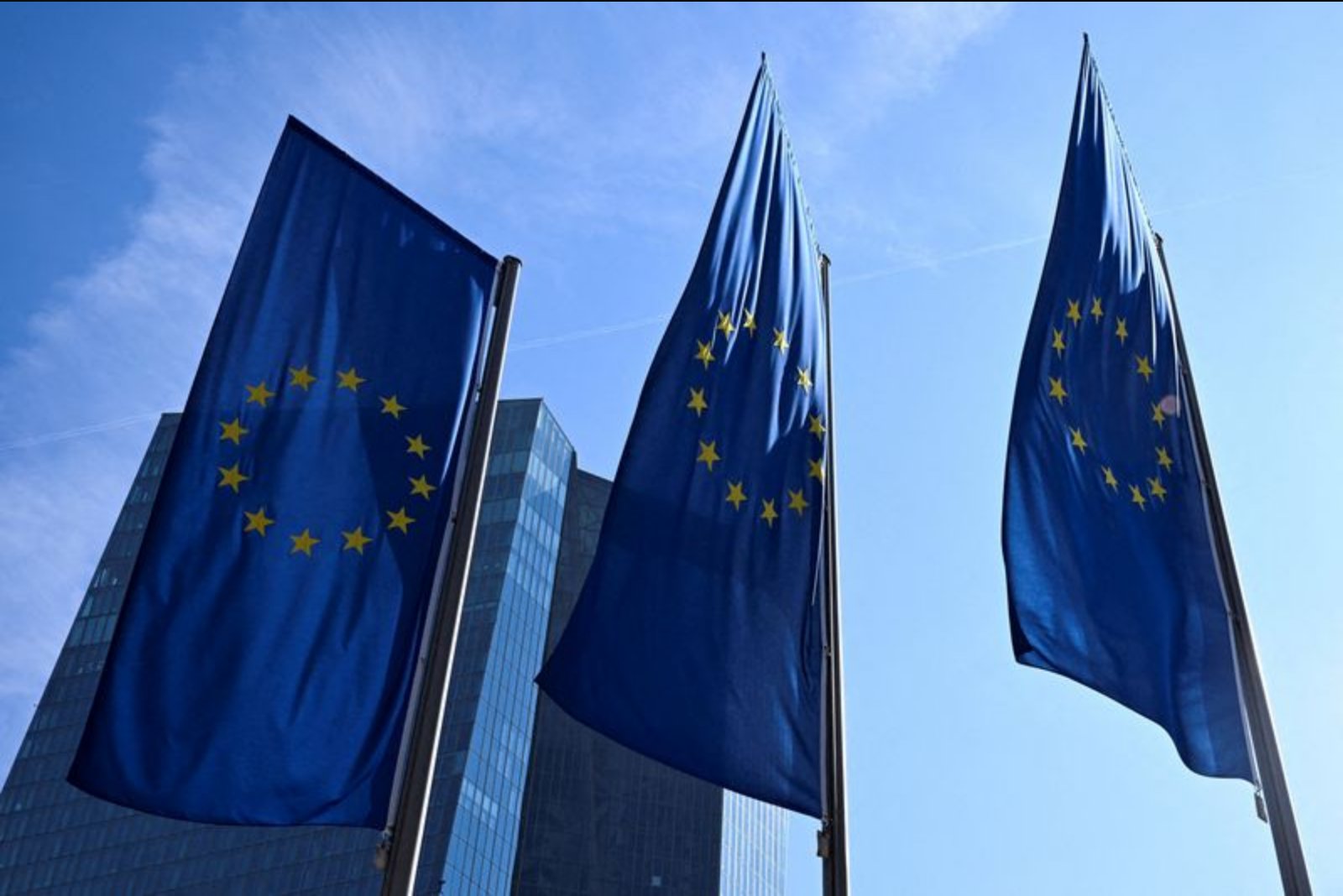
Frankfurt, May 6 - The chance that the European Central Bank will lift interest rates has risen, ECB board member Piero Cipollone said on Wednesday, citing stubborn inflation pressures even as current wage agreements do not yet show stronger pay demands.
In a speech delivered in Milan, Cipollone noted that headline inflation reached 3% in April, and that further upward movement cannot be ruled out. "Overall, the current situation seems to be drifting away from our March baseline projections, which increases the likelihood that we may need to adjust our policy rates," he said.
Despite that shift, data on negotiated wages collected up to the middle of April indicate that wage trends have not materially changed since the onset of the Iran war, suggesting workers have not broadly demanded higher pay in response to the recent inflation surge. The ECB's projections show negotiated wage growth - taking into account smoothed and unsmoothed one-off payments - at 2.6% by the end of 2026, unchanged from the Bank's previous projection in late March. According to the ECB, that pace of negotiated wage growth would be consistent with a pathway back to the Bank's 2% inflation target over the medium term.
Cipollone highlighted an additional channel of risk tied to energy and geopolitical developments. He said memories of the earlier energy shock that coincided with Russia's invasion of Ukraine in 2022 remain vivid and could prompt a more rapid repricing of inflation expectations if conditions deteriorate. While current inflation expectations sit roughly around the ECB's goal, a faster shift there would be a key driver of monetary policy action, he added.
Markets have reacted to the evolving outlook: financial market pricing implies three ECB rate hikes, with the first one fully priced in by July and further moves anticipated in the autumn or in early 2027.
On the supply side, Cipollone warned that the economic fallout from the war in the Middle East could yet widen. He said Europe could face shortages of jet fuel and kerosene reserves by the end of May, which in his view could lead to material restrictions on activity across several industries comparable to disruptions seen during the COVID-19 pandemic.
Policymakers, Cipollone said, are prepared to respond should longer-term inflation expectations rise or wage growth accelerate sharply. For now, negotiated wage projections remain at the 2.6% mark through the end of 2026 based on the ECB's most recent data window.
Context and implications
Cipollone's remarks underscore a policy balancing act: inflation that has not yet shown signs of cooling puts pressure on the ECB to consider tighter policy, while wage data to date suggest labour cost pressures have not intensified. The risk that energy-related shocks could amplify inflation expectations or disrupt production adds another layer of uncertainty for both policymakers and markets.