
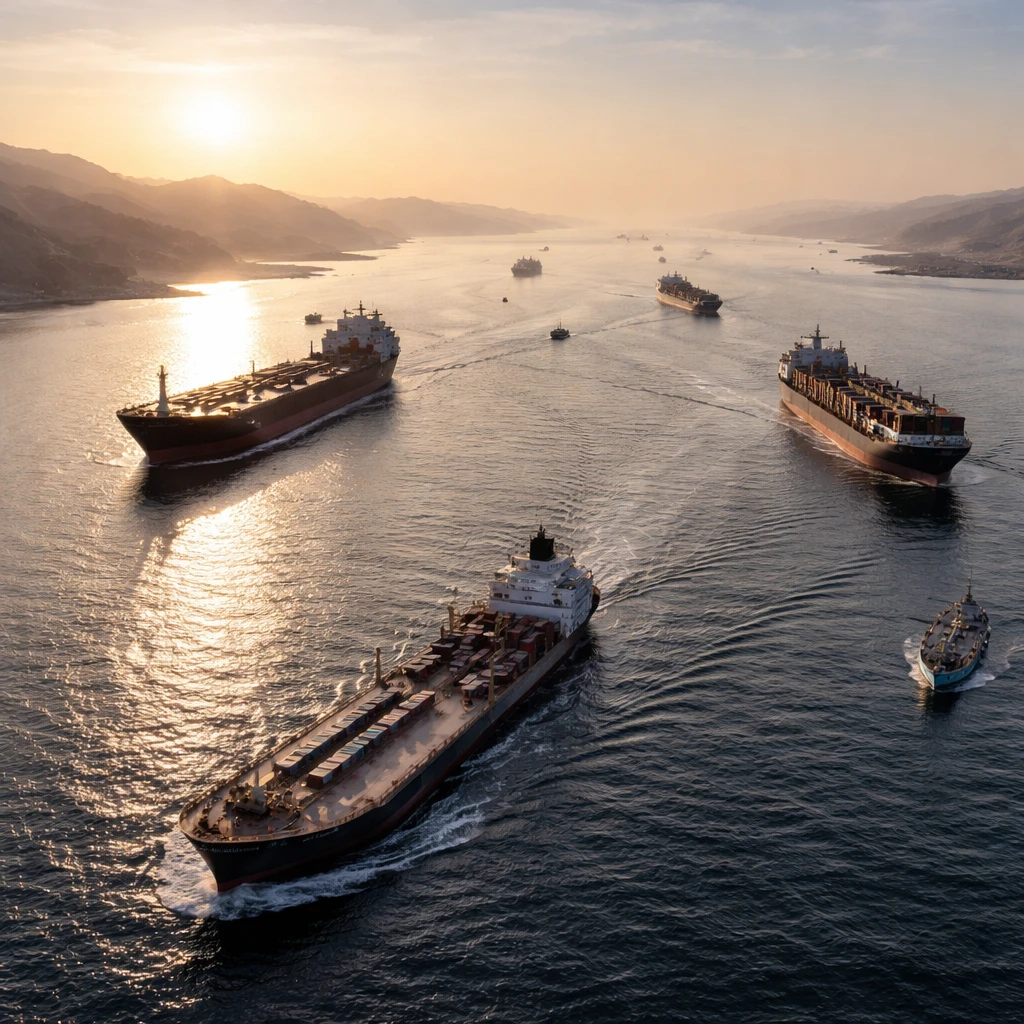
China's permanent representative to the United Nations, Fu Cong, told reporters on Friday that maintaining the ceasefire in the Iran conflict is an urgent imperative and urged that the Strait of Hormuz be reopened as soon as possible.
At the U.N., Fu voiced Beijing's concern about public statements that suggested the current ceasefire might be temporary and that hostilities could resume. He said such signals undermine efforts to stabilize the situation and stressed the need for the pause in fighting to hold.
Fu made a direct appeal on maritime access and military restrictions, saying: "Iran needs to lift its restrictions on the Strait of Hormuz, and the U.S. needs to lift its naval blockade." The ambassador framed those steps as prerequisites for normalizing movement through the strategic waterway.
He further emphasized the importance of trust-building between the parties, calling for good-faith negotiations to resolve outstanding issues. Fu urged the international community to oppose any renewed fighting and to support measures that would preserve the ceasefire.
Noting the diplomatic calendar, Fu indicated that if the Strait of Hormuz remains closed when U.S. President Donald Trump visits China this month, the situation will likely become a significant topic during bilateral discussions. He presented the potential closure as an issue that could shape the leaders' agenda.
In addition to his comments on the ceasefire and maritime access, Fu addressed claims by some U.S. officials about military cooperation between China and Iran. He dismissed those allegations as false, rejecting the notion that Beijing and Tehran are conducting coordinated military activity.
Fu's remarks at the United Nations focused on three interconnected themes: the need for a durable ceasefire, the reopening of the Strait of Hormuz, and a rebuttal of accusations concerning military ties. He framed these points as essential to preventing a return to active conflict and to facilitating productive diplomatic engagement.
Summary - China urged that the Iran ceasefire endure, called for the Strait of Hormuz to be reopened rapidly with both sides removing restrictions, and rejected claims of China-Iran military cooperation. The matter may be discussed during an upcoming visit by U.S. President Donald Trump to China.