
The Federal Reserve's latest policy statement produced what many market participants described as a hawkish tilt, leaving interest rates unchanged but highlighting a shift in tone within the committee. That vote was the most divided since 1992, with three regional presidents dissenting over language that had previously signaled an "easing bias" - language they judged inappropriate amid elevated inflation and heightened uncertainty over oil prices tied to the U.S.-backed war against Iran.
Those remarks, together with a sharp rise in Brent crude to about $125 a barrel - a four-year peak - and closure of the Strait of Hormuz, pressured government bond markets. Treasury yields jumped as traders pared back expectations for rate cuts this year. Market pricing now implies roughly even odds that the Fed could raise rates by April 2027, a marked reversal from the market stance prior to the outbreak of the conflict at the end of February.
Powell also confirmed he would remain on the Fed as a governor until the economic outlook becomes clearer, effectively filling the seat of Governor Stephen Miran, described in media reports as a Trump loyalist who voted for a rate cut on Wednesday. Some analysts interpret Powell's continued presence on the board as a potential counterweight to efforts by President Donald Trump and incoming Fed Chair Kevin Warsh to push policy lower, though that interpretation reflects commentary in the market rather than a new policy announcement.
Macro developments and the jump in oil were mirrored by a sharp divergence between bond and equity market behavior. Nasdaq futures were up roughly 0.4%, supported by mostly positive first-quarter earnings from several large technology companies. Alphabet, Google's parent, surged about 7% in after-hours trade after beating forecasts. Microsoft and Amazon.com also reported solid results, while Meta Platforms posted a less favorable update amid investor concerns over its AI-related spending. Attention now turns to Apple, which is scheduled to report first-quarter earnings later.
Regional equity moves have been notable. South Korea's KOSPI was positioned for an estimated 32% gain in April, the largest monthly rise since 1998, while Taiwan's market was set for a roughly 24.5% increase for the month, the biggest monthly advance since 2001. Yet broader European equity futures were weaker into the open, with pan-region contracts down about 0.4%, reflecting the tension between macro-driven risk aversion and company-specific optimism in technology names.
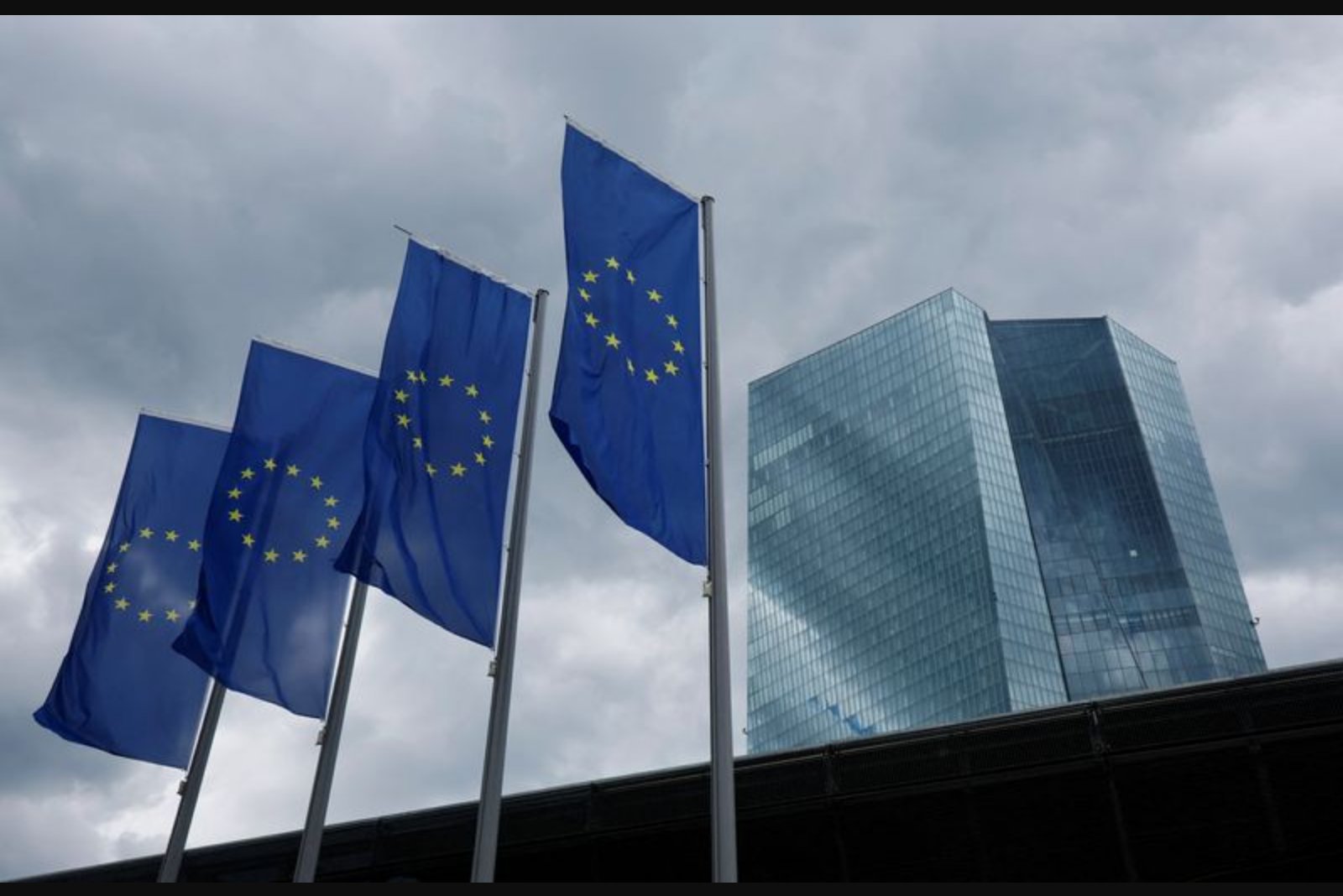
Investors are closely watching a number of scheduled data releases and central bank decisions that could further sway markets. Key items on the immediate calendar include advance estimates of euro zone and U.S. gross domestic product for the first quarter, EU inflation for March, U.S. personal consumption expenditures inflation and spending for March, and policy announcements from the European Central Bank and the Bank of England. Market participants expect headline inflation to spike in the near term as a direct result of higher petrol prices, but recognize that additional dynamics could evolve as the situation surrounding the Iran conflict unfolds.
Media reports also indicate that U.S. President Donald Trump will be briefed on new military options concerning Iran as diplomatic efforts appear to have stalled. Those developments have contributed to the heightened uncertainty around energy markets and policy responses.
In sum, market dynamics on the day reflect a split between fixed income, where hawkish central bank language and higher oil have pushed yields up and shortened the window for rate cuts, and equities, where large-cap tech earnings have provided a degree of insulation and helped push major benchmarks higher. With major central bank decisions and a slate of inflation and growth data due, investors are bracing for further volatility in rates and potentially across other asset classes.