
Economy April 30, 2026 07:53 AM

BoE’s Bailey flags hard choice as second-round inflation risks rise from Middle East energy shock

Governor says delayed second-round effects, especially on food, complicate the timing of monetary policy moves

By Hana Yamamoto
BoE’s Bailey flags hard choice as second-round inflation risks rise from Middle East energy shock

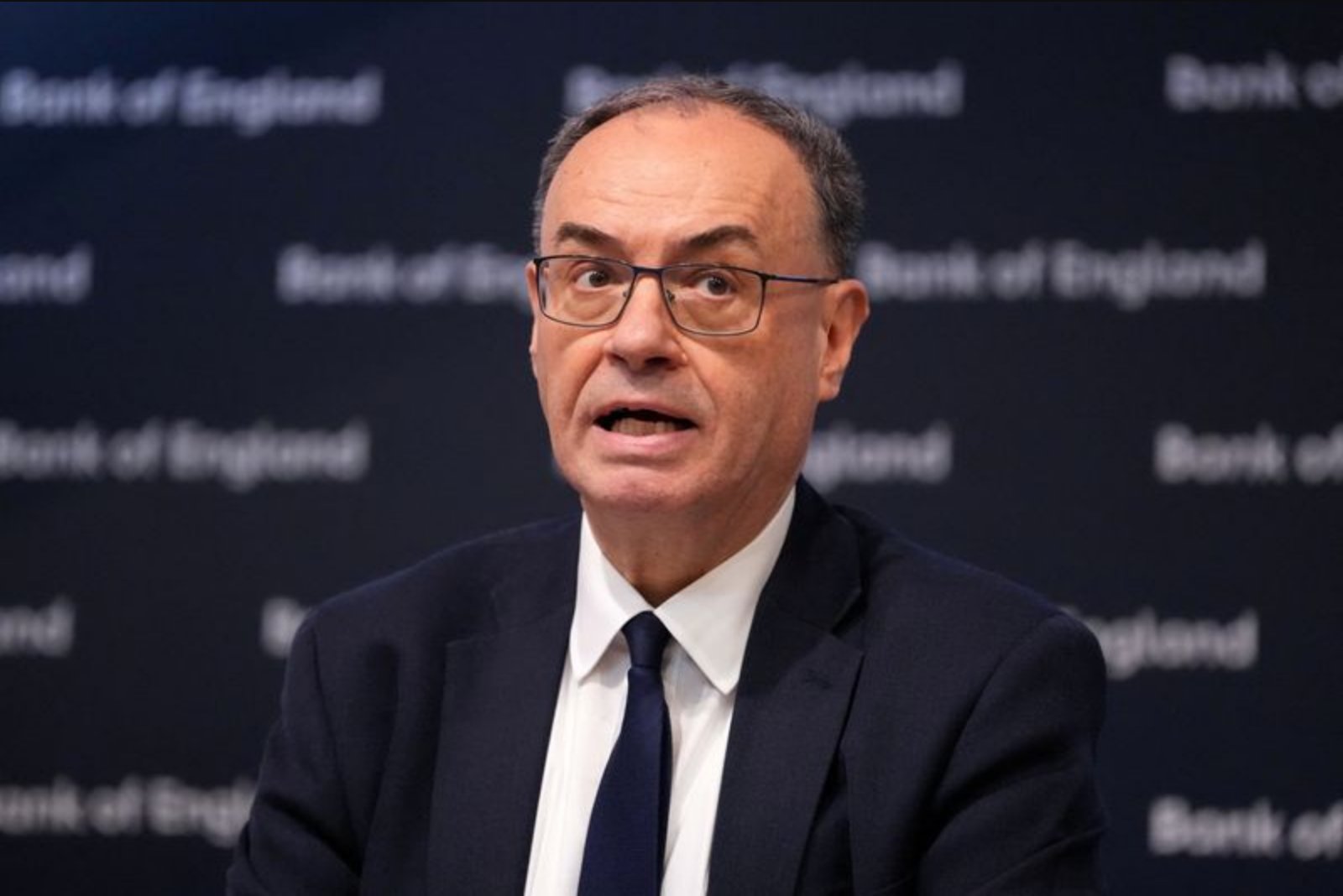
Bank of England Governor Andrew Bailey warned that policymakers face a difficult judgement over whether and when to respond to second-round inflationary pressures stemming from higher energy costs tied to the Middle East conflict. He emphasised that these second-round effects build more slowly than initial price shocks and that waiting for conclusive evidence before changing policy could be costly, while acting too soon risks unnecessary volatility in output. Bailey also noted that a prolonged conflict in Iran would likely exacerbate the impact on the UK economy, with indirect effects expected to show up most strongly in food prices as global cost pressures accumulate.

Key Points

  • Bank of England Governor Andrew Bailey warned that second-round inflation effects from higher energy prices tied to the Middle East conflict unfold slowly, complicating policy timing.
  • Bailey said a prolonged conflict in Iran would likely increase the negative impact on the UK economy, with indirect effects expected to show up most strongly in food prices as global cost pressures build.
  • Monetary policy faces a trade-off: waiting for conclusive evidence may be impractical because interest rate changes take time to work, but acting too early risks creating volatility in output - impacting central-bank sensitive sectors such as financials and consumer goods.

Bank of England Governor Andrew Bailey outlined the challenge facing monetary policymakers as higher energy prices linked to the Middle East conflict work their way through the economy. Bailey warned that the assessment of so-called second-round inflation effects presents a particularly difficult judgement call for the Bank.

He said the second-round impacts - the follow-on increases in prices that occur after the initial direct and indirect effects of a shock - tend to emerge more slowly. "Second-round effects build more slowly than direct and indirect effects," Bailey said, adding that it left "monetary policy with a difficult judgment call."

Part of the dilemma, Bailey explained, is timing. Interest rate adjustments do not act immediately on inflation or activity, so waiting for definitive proof of the strength of delayed inflationary pressures may not be viable. He stressed that this persistence of transmission delays complicates decisions over when to tighten or loosen policy.

"Because interest rate changes take time to take their effect, monetary policy cannot wait for conclusive evidence of the strength of second-round effects, but responding too early may generate undesirable volatility in output," he added. That sentence encapsulates the trade-off confronting the Bank: act pre-emptively and risk unsettling growth, or delay and risk letting higher prices become entrenched.

Bailey also linked the potential scale of the impact to the duration of the conflict, saying the longer the conflict in Iran lasted, the worse the effect on the British economy would likely become. He singled out food prices as a channel where indirect effects are expected to be felt most strongly as global cost pressures build over time.

The remarks underline the Bank's concern that energy-driven shocks can produce a layered inflationary process. Direct increases in energy costs can feed into production and distribution expenses, and subsequently into consumer prices in stages. According to Bailey, it is the slower, secondary stages that complicate the Bank's policy calculus, because their presence may not be apparent until some time after the initial shock.

Policymakers therefore face a balance between acting on incomplete information about these delayed effects and avoiding premature moves that could cause unwelcome volatility in economic output.

Risks

  • Delayed recognition of second-round inflation could allow price pressures to become more entrenched - a risk to real incomes and consumer-facing sectors such as groceries and food and beverage.
  • Acting prematurely on incomplete evidence may trigger undesirable volatility in economic output, presenting risks to interest-rate-sensitive markets including fixed income and mortgages.
  • A prolonged conflict in Iran could amplify the economic hit, increasing uncertainty for sectors tied to global commodity and input costs, particularly energy and food production.

More from Economy

Customs Agency Says First Electronic Refunds for Trump's Tariffs Could Begin May 12 May 4, 2026 Iran's Araghchi Says Military Action Won't Resolve Hormuz Standoff, Voices Cautious Hope on Pakistan-Brokered Talks May 4, 2026 Westpac’s H1 profit underperforms as margins and credit charges weigh May 4, 2026 Oil Surge and Rising Yields Push Risk Assets Lower as Strait of Hormuz Tensions Mount May 4, 2026 IMF Managing Director Warns of Sharper Global Strain if Middle East War Extends into 2027 May 4, 2026