
Senior executives at U.S. banks say they have received scant detail from the White House about a proposed executive order that would compel financial institutions to gather and verify customers' citizenship or immigration status. Industry leaders and legal experts describe the possible directive as expensive to implement, operationally complex and potentially disruptive to consumers' access to financial services.
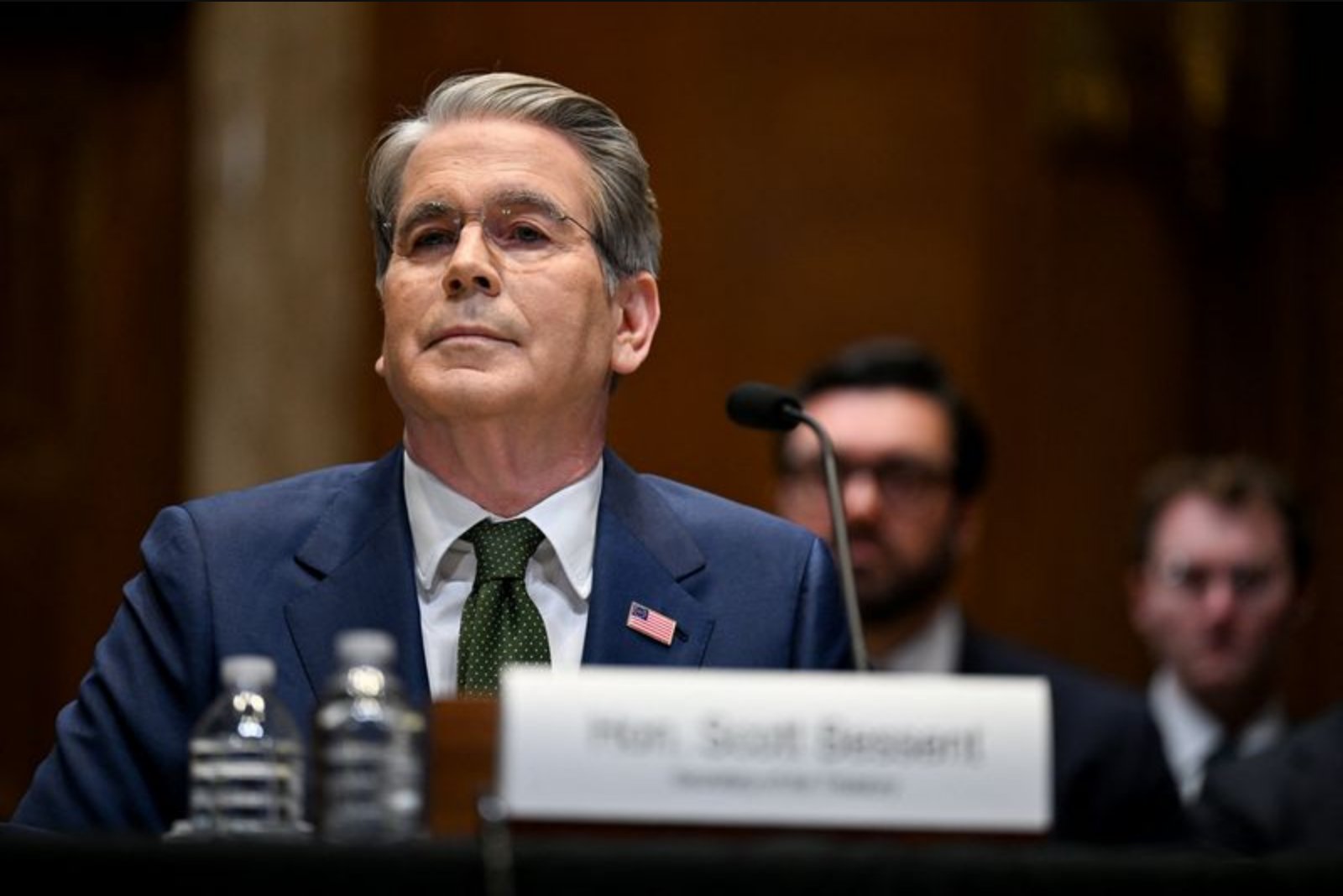
Treasury Secretary Scott Bessent told Semafor that the administration is working on the executive order but offered no specifics. The plan was first reported earlier this year and has been framed as part of a broader enforcement push on immigrants residing in the country without authorization.
Bank lobby groups pushed back when the administration initially raised the idea, warning officials in meetings that the measure would be legally intricate, operationally burdensome and costly to execute. Three people familiar with those discussions said industry leaders cautioned that millions could lose access to bank accounts if the requirement were imposed as originally described.
Despite those early meetings, bankers say communication from the administration has waned in recent weeks, leaving the sector largely uncertain about the scope and timing of any final directive. The lack of concrete guidance is notable given the scale of change banks would face if the rule were enacted, according to the people interviewed.
Center-right think tank American Action Forum estimated last month that collecting citizenship data for new accounts alone could cost the banking industry between $2.6 billion and $5.6 billion each year.
"The logistical challenges for banks are significant," said Kathryn Judge, a professor at Columbia Law School. "Overall, the initiative is bad news for banks but worse news for ordinary Americans. Even for citizens, the process could create significant headaches."
Implementation hurdles and compliance exposure
Current know-your-customer rules require banks to verify identity and collect certain personal information, such as Social Security or tax identification numbers. They do not mandate collection or verification of citizenship or immigration status.
Banks say adding that requirement would force a wide-ranging overhaul of document-processing workflows and IT systems. Frontline staff would need extensive training to identify and assess the validity of the more than 180 different visa types listed by the State Department, bankers said.
Executives warn that verifying immigration documents for new customers would be highly demanding and that attempting to verify status for the hundreds of millions of existing U.S. personal bank accounts would be virtually "impossible," according to a retail banking executive who spoke on condition of anonymity. Others echoed that assessment.
The potential for enforcement actions would add another layer of risk. One senior banker and another source said lenders could face significant compliance exposure if regulators or law enforcement pressed banks for failing to adequately vet customer paperwork.
Data cited by regulators and industry studies indicate there are hundreds of millions of personal U.S. bank accounts in circulation. But many account-holders lack straightforward documentary proof of citizenship. Roughly half of Americans do not hold passports, State Department data show, and research from the Brennan Center for Justice at NYU School of Law found that more than 9% of voting-age citizens - about 21.3 million people - do not possess readily available proof of citizenship in 2024. Additional complications can arise when individuals have different names on official documents, such as married women who may have changed surnames.
Disproportionate effects on lower-income and rural consumers
Even if the order were limited to new accounts, bankers and lawyers caution it would still burden lower-income Americans. Some may not be able to afford fees for birth certificates or passports, making it harder to satisfy new documentation requirements.
Multiple industry sources said banks would likely curb online account openings in response to the rule, which would make opening accounts more difficult for people living in rural banking "deserts" where household incomes tend to be lower, according to Consumer Financial Protection Bureau research cited in discussions with bankers.
Ross Delston, an attorney who specializes in anti-money-laundering compliance, warned of an initial period in which staff would struggle to follow unfamiliar procedures. "The initial implementation would be a lot of extra work because nobody would be accustomed to following the process," he said. "And then you run the risk that banks would just start turning customers away," with a potential discriminatory impact on some groups, he added.
Policy context and potential legal friction
The proposed move is one more instance in which administration policy priorities have created difficult choices for banks, even as the same administration has relaxed other rules it contends hampered lending. Earlier this year, the president surprised the industry by calling for caps on credit card interest rates as part of a response to cost-of-living concerns. He has also accused major banks of politically motivated discrimination, a claim they dispute.
A White House official, responding by email, said the administration remains focused on ways to shield the banking system from "unacceptable credit risks and to ensure that banking services remain available and affordable for all Americans." A Treasury Department spokesperson did not respond to a request for comment.
Bessent told Semafor that it is not unreasonable to want more information about who uses the banking system.
For an executive order to have binding legal effect on banks, the Treasury or bank regulators would typically need to draft implementing rules and solicit public feedback, offering the industry an opportunity to shape or soften final requirements. Dan Goldbeck, director of regulatory policy at the American Action Forum and author of the cost estimate, said it is unclear what statutory authority regulators might use to put such an order into force, a gap he said could invite "significant legal challenges."
Industry reaction and next steps
Bank leaders who spoke about the issue requested anonymity because they were discussing sensitive regulatory matters. They report limited follow-up from the administration since initial conversations and express concern that the absence of detail leaves institutions unable to plan or budget for the potential overhaul.
Absent clearer guidance, banks face a range of operational choices - from redesigning account-opening systems and retraining staff to restricting digital onboarding - each carrying its own cost and market implications. Regulators and policymakers would also need to weigh enforcement expectations and the legal basis for any new mandate before the rule could be implemented.
Until the administration provides more explicit direction, the industry is left to assess the scale of technological, staffing and compliance impacts based on estimates and anecdotal assessments. That uncertainty is the source of growing unease within institutions that would carry the burden of any new citizenship-verification regime.