
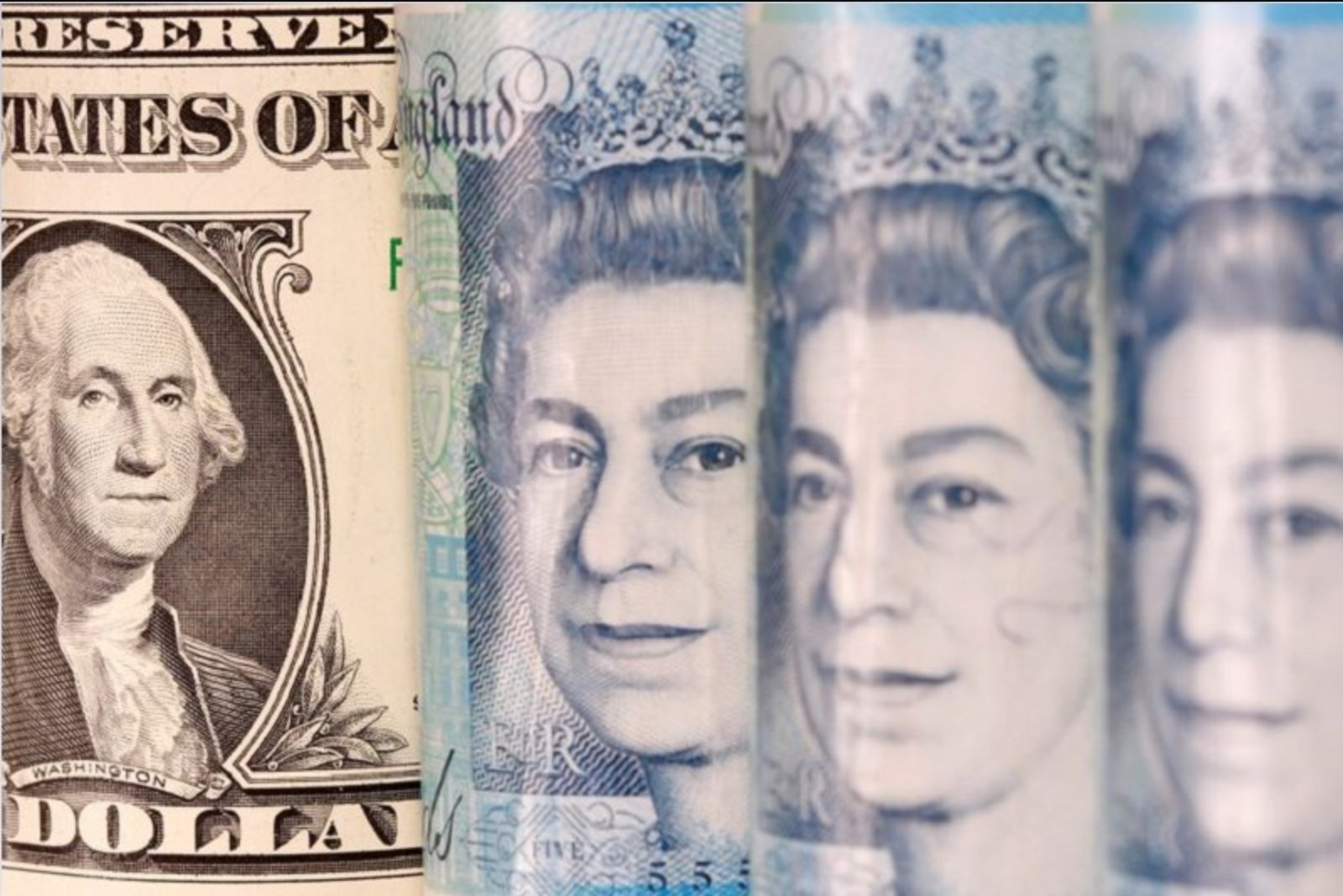
Sterling and the euro advanced Wednesday as the dollar weakened sharply following diplomatic signals from Iran and reports that the United States and Tehran are edging closer to a deal to end hostilities in the Gulf. The moves sparked a broad risk-on reaction in markets and a pronounced decline in oil prices.
By 08:25 ET (12:25 GMT), GBP/USD had risen 0.42% to 1.3615, while EUR/USD was up 0.53% at 1.1755. Market participants said these moves were predominantly driven by dollar selling rather than isolated strength in the individual currencies.
State media reported that Iran's Islamic Revolutionary Guard Corps navy said safe transit through the Strait of Hormuz was possible following the neutralisation of what it called "aggressor threats." This statement came hours after President Trump paused "Project Freedom," citing "great progress" toward a "complete and final agreement."
Subsequent reporting by Axios, citing two U.S. officials and two additional sources briefed on the matter, indicated the two sides are close to finalising a one-page memorandum of understanding. Under the reported terms, Iran would agree to a moratorium on nuclear enrichment in return for U.S. sanctions relief and the release of frozen funds. A Pakistani source involved in the discussions told Reuters, "We will close this very soon. We are getting close."
Despite the reports, obstacles to a durable dollar recovery remain. President Trump warned on Truth Social that bombing would resume "at a much higher level and intensity" if Iran rejected the terms, and the parties had not yet signed a permanent agreement.
Near-term market attention is likely to centre on U.S. Energy Information Administration weekly inventory data due at 16:30 CET. The market consensus expects a 2.4 million barrel drawdown following the prior week's 6.2 million barrel fall. Traders noted that a larger-than-expected decline in inventories could quickly reverse the risk rally that accompanied the diplomatic headlines. April ADP employment data are also scheduled, with consensus at +120,000.
Market strategists at ING flagged potential technical support for the U.S. dollar index (DXY) around 97.65-97.75, which could limit further dollar losses if those levels hold.
The euro has lagged on the crosses, with EUR/GBP and EUR/CHF movements reflecting two months of negative eurozone data surprises and the impact of elevated energy costs. That underperformance has coincided with only modest risk-driven demand for the euro and with market expectations that the European Central Bank may deliver a precautionary rate increase in June. Two-year inflation swaps are trading at 3.03%, a factor that has provided some support for the currency.
ING analysts suggested they do not expect EUR/USD to break convincingly above 1.18 and said they would not rule out a move back toward 1.1700.
Sterling's relative resilience has attracted attention as GBP/USD held up even while U.K. gilt yields traded at multi-year highs ahead of local elections on Thursday. ING's rates strategy team noted the U.K. swap spread has remained stable, indicating the recent sell-off in gilts has not been driven solely by election-related factors.
Political risk in the U.K. remains a potential market mover. Analysts warned that a strong result by the Conservative Party against Labour on Thursday could precipitate a leadership challenge, introducing fresh uncertainty for gilt markets and the pound. Technical support for EUR/GBP sits at 0.8600-0.8610 and is expected to hold, according to market commentary.
Market snapshot
- GBP/USD: +0.42% to 1.3615 (08:25 ET / 12:25 GMT)
- EUR/USD: +0.53% to 1.1755 (08:25 ET / 12:25 GMT)
- Key upcoming data: U.S. EIA weekly inventories at 16:30 CET (consensus -2.4m barrels); April ADP employment (consensus +120,000)
The evolving diplomatic developments around Iran and the United States, combined with imminent U.S. inventory figures and U.K. political events, leave markets sensitive to data and headlines that could either reinforce the current risk rally or trigger a rapid reversal.