
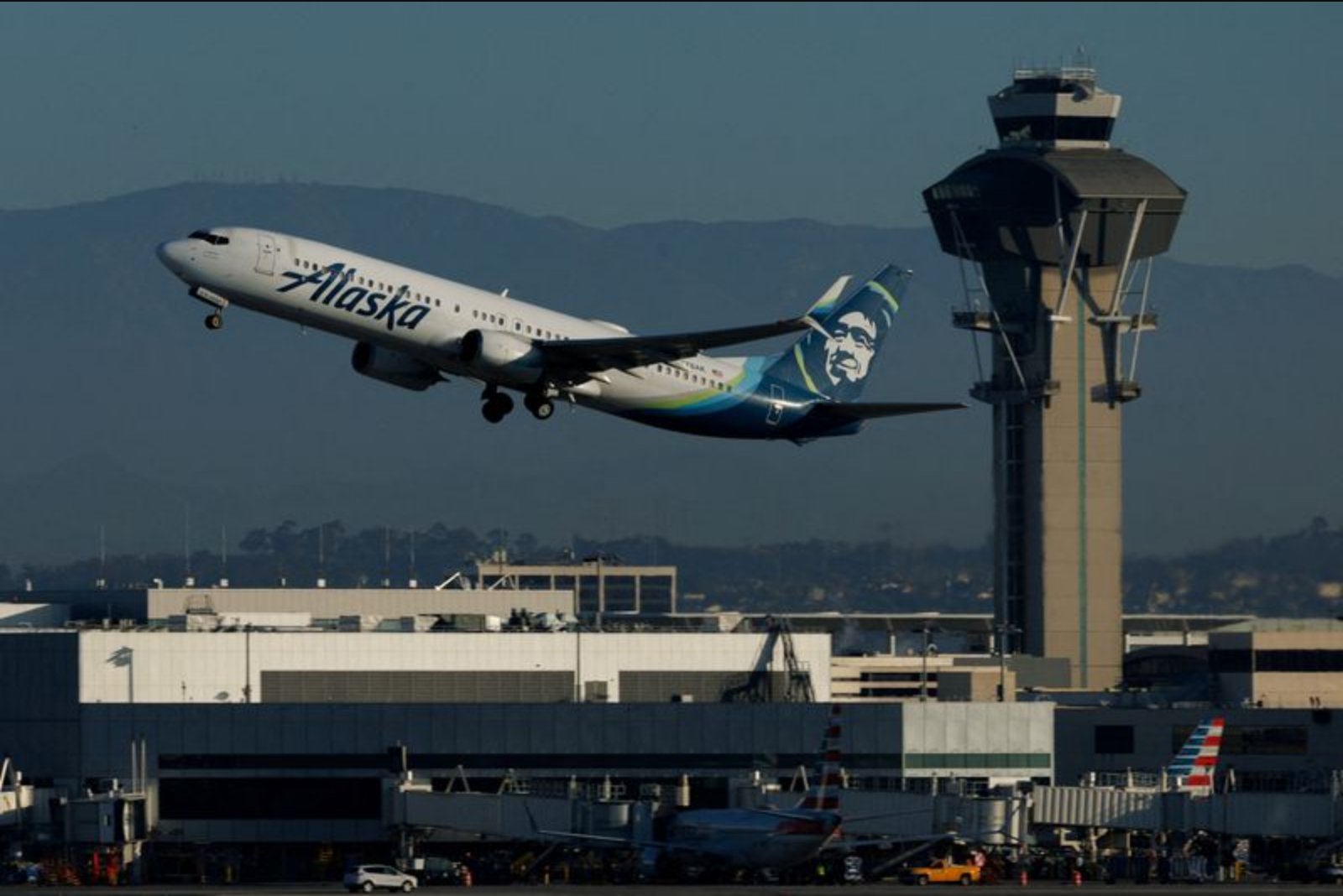
Alaska Air said it will raise $500 million through a debt offering on Wednesday, selling five-year securities that will come due in 2031. The company framed the move as an effort to bolster liquidity while facing margin pressure from a war-driven surge in jet fuel prices.
Airlines around the globe have been forced to respond to dramatically higher fuel costs after Iran closed the Strait of Hormuz, a development that disrupted oil supplies. In response, carriers have trimmed capacity, increased baggage fees and added fuel surcharges to help offset the spike in operating costs.
Jet fuel typically accounts for roughly a quarter of an airline's operating expenses, and prices for jet fuel have nearly doubled since the U.S.-Israeli strikes against Iran on February 28, the company said. That escalation has tightened profit margins across the sector, with particular strain on carriers based on the U.S. West Coast.
West Coast airlines, including Alaska Air, face additional challenges because regional pipeline and refining capacity remains limited. Those constraints mean these carriers are more reliant on imported oil, exacerbating the cost pressures when global supply is disrupted.
To manage supply mix, Alaska Air previously indicated it is seeking to increase the portion of its fuel purchases sourced from Singapore to a range of 30% to 40% over time, up from about 20% at present. The airline described this as a gradual adjustment rather than an immediate shift.
Other major U.S. carriers have also accessed the debt markets recently to shore up finances amid rising fuel expenses caused by the conflict. American Airlines raised $1.14 billion, while JetBlue Airways issued $500 million in debt.
Summary
Alaska Air is issuing $500 million in five-year debt to reinforce liquidity after jet fuel prices surged following disruptions to oil flows. The company faces heightened costs that are particularly acute for West Coast carriers that rely more on imported fuel, and several rivals have taken similar financing steps.
Key points
- Alaska Air plans to sell $500 million of five-year securities maturing in 2031 to bolster liquidity.
- Jet fuel prices have nearly doubled since the U.S.-Israeli strikes against Iran on February 28, significantly increasing airlines' operating costs.
- American Airlines and JetBlue also tapped debt markets recently, raising $1.14 billion and $500 million respectively.
Risks and uncertainties
- Persistently elevated jet fuel prices could continue to erode airline margins, affecting airline profitability and potentially leading to further consumer-facing measures such as higher fees - this impacts the airline and broader travel sectors.
- Limited pipeline and refining capacity on the U.S. West Coast makes carriers based there more vulnerable to oil import constraints, complicating fuel sourcing and cost management for those airlines.
- Shifts in the airline fuel sourcing mix, such as increasing imports from Singapore, are subject to timing and execution risks and may not immediately offset rising costs.