
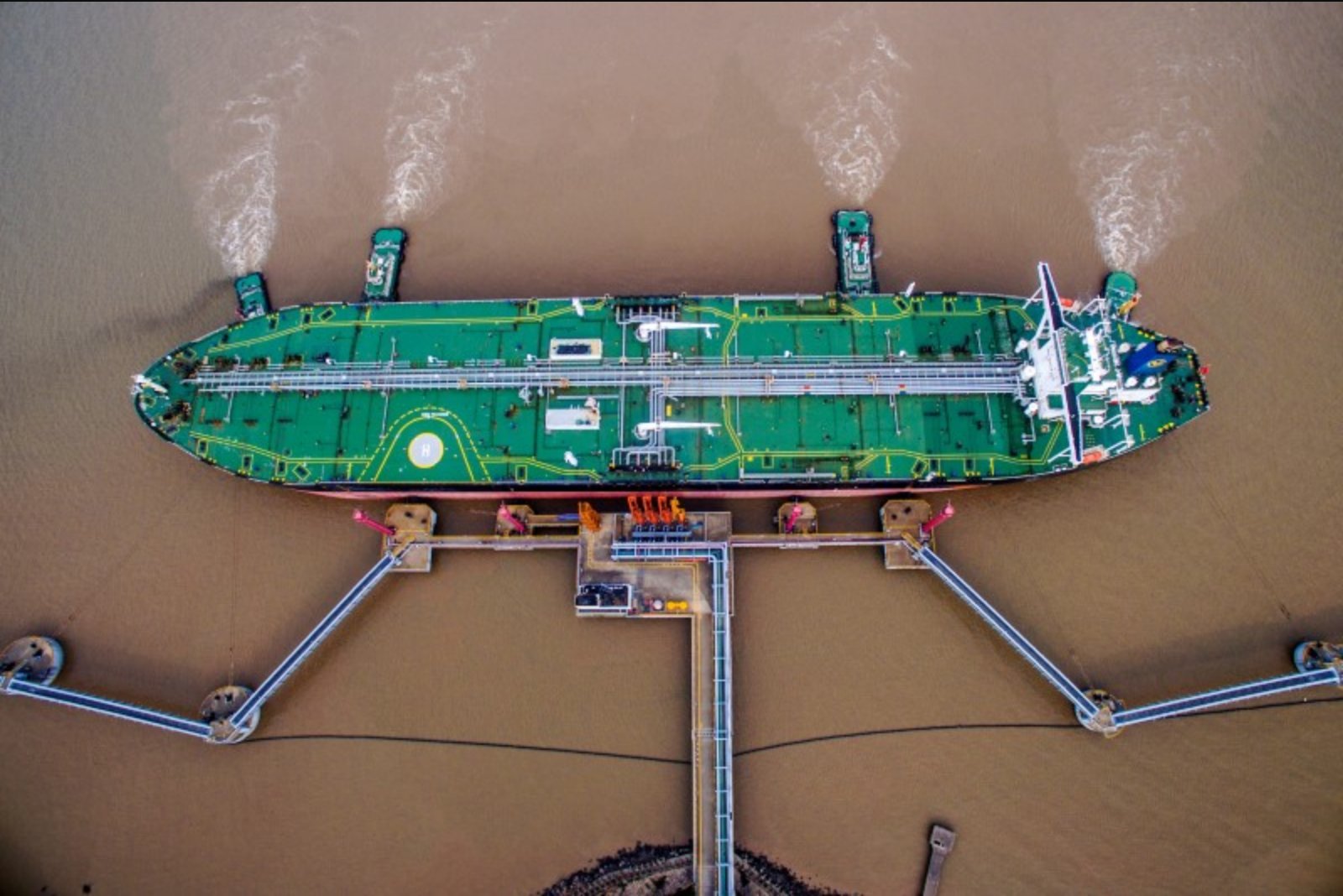
Oil markets saw a renewed upward move on Wednesday as Russia's Urals crude at western ports pushed back above the $100 per barrel threshold. Traders' data and calculations indicate that the Primorsk free on board (FOB) assessment for Urals stood at approximately $104 per barrel on Wednesday, an increase of about $6.50 per barrel compared with Tuesday's estimates.
At the Black Sea port of Novorossiisk, the FOB valuation of Urals was calculated at about $106 per barrel on Wednesday. The rebound in these regional assessments tracked a wider rally in global crude, with oil prices jumping more than 6% on the day to reach their highest settlement in weeks.
Market participants attributed the surge to escalating concerns about continued supply disruption risks tied to stalled negotiations between the United States and Iran. Those stalled talks, together with broader tensions in the Gulf region, have contributed to higher global crude prices and have been cited as a key factor in the renewed strength for Brent and related grades.
Urals had been trading above $100 per barrel for most of April as a global energy supply squeeze linked to the Iran war tightened markets, although the grade slipped below that level late last week before Wednesday's rebound. Elevated freight rates have pressured exporters' profit margins, reducing returns on some shipments; nonetheless, that drag was largely offset by the rise in world crude prices driven by the geopolitical tensions.
On the fiscal side, the Russian oil price measured in roubles that is used for tax calculations exceeded the federal budget assumption by 46% in the first half of April, reflecting the recent rally in global oil values. For context relevant to budget planning, Russia's 2026 federal budget is based on an oil price assumption of $59 per barrel.
While elevated freight costs and margin compression remain considerations for exporters, the dominant market force in recent sessions has been the sharp move higher in Brent and related benchmarks amid geopolitical unease. Observed port FOB levels for Urals at Primorsk and Novorossiisk mirror that broader shift in sentiment and pricing across the crude complex.