
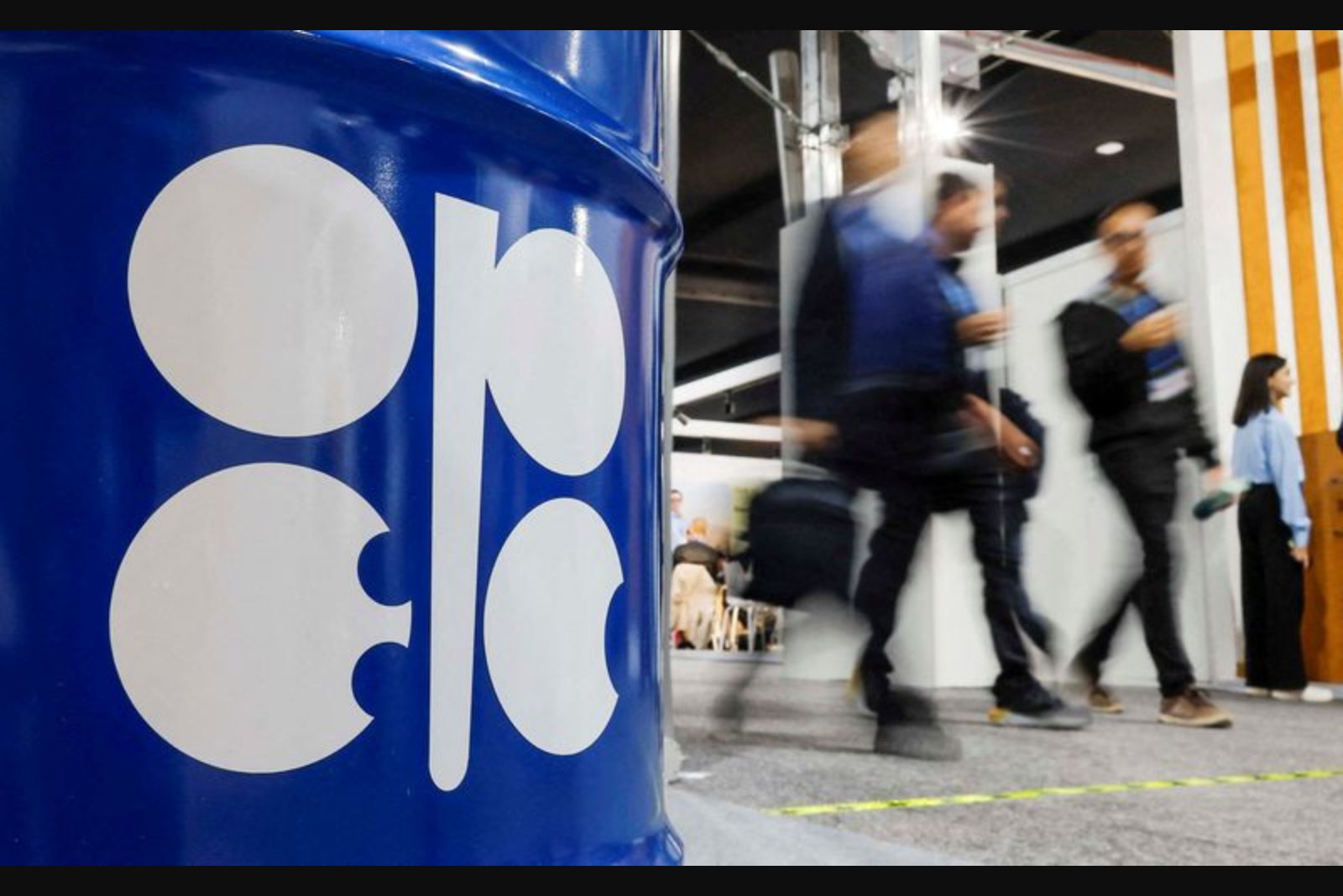
The United Arab Emirates will depart the Organization of the Petroleum Exporting Countries on May 1, removing a significant pillar of OPEC+ control over the global oil market, sources within the producer alliance and analysts said on Tuesday. Delegates and market watchers told Reuters that the UAE’s move - the country announced its retirement from OPEC after nearly six decades of membership - will curtail the group’s ability to shape supply and demand through coordinated production targets, even as the remaining members are expected to continue to act together.
The UAE, previously the fourth-largest producer inside OPEC, said it would leave the organisation, a step that frees Abu Dhabi from the production ceilings jointly set by OPEC and its allies. Five OPEC+ sources who asked not to be identified because they were not authorised to speak publicly described the departure as a shock. Four of those five sources said the loss of the UAE will make it harder for OPEC+ to balance the market through supply adjustments because the group will control a smaller portion of global output.
Before disruptions linked to the U.S.-Israeli war on Iran forced cutbacks and shut-ins across the Gulf, Abu Dhabi was producing around 3.4 million barrels per day of crude and oil liquids - roughly 3% of global supply. As the largest producer ever to leave OPEC, the UAE’s exit represents a material blow to both the organisation and its de facto leader, Saudi Arabia.
OPEC and the Saudi government communications office did not immediately respond to requests for comment. Once it is outside OPEC, the UAE will be on a similar footing to independent producers that operate without group quotas, such as the United States and Brazil. However, sources emphasised that current constraints on exports and production tied to the disruption of shipping through the Strait of Hormuz mean there is limited scope, at least for now, for the UAE to expand flows.
When shipping conditions return to pre-conflict levels, the UAE would theoretically have room to raise output toward its stated capacity of 5 million barrels per day of crude and liquids. For the present, the closure of key shipping lanes and damage to facilities have limited such options.
Tensions over the UAE’s quota within OPEC have been longstanding. Abu Dhabi’s allocation inside the group stood at 3.5 million barrels per day, and Emirati officials had pushed for a higher quota to reflect capacity expansions they have funded through an extensive investment programme. Analysts noted that part of the UAE’s rationale for leaving was to monetise the results of those investments without being constrained by a collective production ceiling.
Helima Croft of RBC Capital Markets said: "For years, Abu Dhabi has been looking to monetize its investment in expanding capacity." She added that the U.S.-Israeli war on Iran, which has seen drones and rockets strike UAE production infrastructure, will slow those plans. The conflict has caused a major global energy supply disruption in terms of outright daily oil production, according to the International Energy Agency, and has highlighted fissures among Gulf states, including strained relations between the UAE and Saudi Arabia.
Rumours of a possible UAE departure from OPEC+ have circulated for several years amid increasingly fraught ties with Riyadh, featuring disagreements over conflicts in Sudan, Somalia and Yemen. The UAE has also deepened political and security ties with the United States and Israel, developments that have been part of the broader diplomatic backdrop to the exit announcement.
Several other countries have left OPEC or the extended OPEC+ arrangements in recent years, but none on the scale of the UAE. Angola left in 2024, citing disagreements on production levels; Ecuador departed OPEC in 2020; and Qatar quit the organisation in 2019. Observers noted that Iraq - the third-largest producer in OPEC+ after Saudi Arabia and Russia - has no intention of leaving, with two Iraqi oil officials saying Baghdad values stable, acceptable oil prices.
Veteran OPEC observer Gary Ross, CEO of Black Gold Investors, said OPEC+ will not crumble because Saudi Arabia retains a strong incentive to manage the market in concert with other members. "At the end of the day, Saudi Arabia was essentially OPEC - the only country with spare capacity," he said. Saudi output capability is estimated at 12.5 million barrels per day, although actual production in recent years has typically remained under 10 million barrels per day.
Membership of OPEC+ confers diplomatic and international influence, an attribute cited by analysts when explaining why some members - including Iran at the height of its tensions with Gulf states - have chosen to remain in the grouping despite political differences.
Former OPEC official Jorge Leon, now at Rystad Energy, said the withdrawal represents a meaningful change for OPEC’s structural position. "The UAE withdrawal marks a significant shift for OPEC ... the longer-term implication is a structurally weaker OPEC," he said. Analysts and delegates noted that, in the near term, the alliance will be more focused on restoring facilities damaged by the war than on contemplating fresh production cuts, reducing the likelihood of a wider split in the short run.
OPEC’s historical influence has been in decline for decades. Founded in 1960, the organisation once controlled more than half of global oil output. That share has fallen to around 30% of total world oil and oil liquids output, calculated at about 105 million barrels per day last year, as rival producers expanded capacity.
The United States - once a major importer of OPEC crude - has emerged as a principal rival after a surge in shale production over the past 15 years. U.S. production rose to account for about 20% of global output, a development that helped spur the 2016 formation of OPEC+, an alliance that included non-OPEC producers led by Russia.
The OPEC+ partnership had bolstered collective influence over global output, giving the alliance control of roughly half of total world production in 2025, according to the International Energy Agency. With the UAE’s departure, that share will fall to around 45% - a reduction that sources said diminishes the group’s leverage in shaping the oil market.
Context and immediate implications
The UAE’s move removes one of the largest producers from the coordinated quota system used by OPEC and its allies to manage price and supply balance. While the remaining OPEC+ members retain significant production and diplomatic heft, the group’s ability to enact supply-side responses will be constrained by having less direct control of global output.
Sources and analysts agreed that despite the setback, a broad fragmentation of OPEC+ is not imminent. Instead, members will likely prioritise the recovery of damaged infrastructure and continue working within the alliance framework to the extent possible.
Key figures quoted
- Helima Croft, RBC Capital Markets: "For years, Abu Dhabi has been looking to monetize its investment in expanding capacity."
- Gary Ross, Black Gold Investors: "At the end of the day, Saudi Arabia was essentially OPEC - the only country with spare capacity."
- Jorge Leon, Rystad Energy: "The UAE withdrawal marks a significant shift for OPEC ... the longer-term implication is a structurally weaker OPEC."
The coming weeks will reveal how quickly shipping through the Strait of Hormuz and Gulf export infrastructure returns to normal, and how much room the UAE will actually have to increase exports by virtue of operating outside OPEC. Until those uncertainties resolve, the departure stands as a clear demonstration of the changing geopolitics and economic incentives shaping oil markets today.