
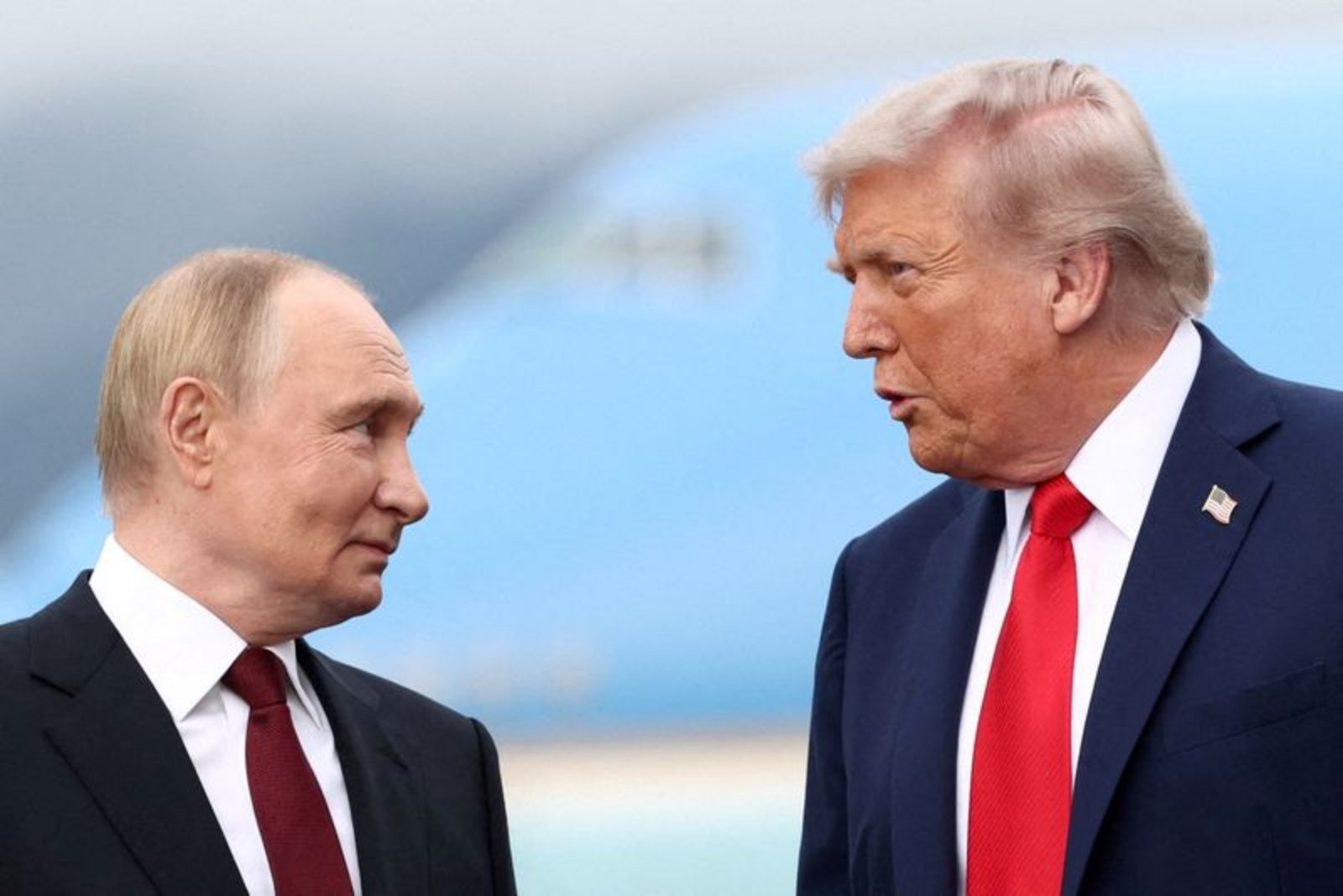
On April 29 in Washington, U.S. President Donald Trump said he had raised the idea of a temporary ceasefire in Ukraine during a phone call with Russian President Vladimir Putin.
Trump spoke shortly after the Kremlin said the two leaders discussed a temporary Ukraine ceasefire to mark the anniversary of the end of World War Two next month. "We had a good talk, I’ve known him a long time," the president told reporters.
The comments came as Trump met with astronauts from the Artemis II mission in the Oval Office. He said he suggested what he described as "a little bit of a ceasefire" in the four-year-old war in Ukraine during his call with Putin, and added, "And I think he might do that." Trump then asked reporters whether Putin had already announced a ceasefire.
Trump also said that Putin offered to help on the issue of Iran’s enriched uranium, which he described as a key obstacle to a deal to end the Iran war. Quoting his own remarks from the call, Trump said, "I said I’d much rather have you be involved with ending the war with Ukraine." He added, "I said, before you help me, I want to end your war."
The president has a record of making positive comments about Putin while also sharply criticizing Ukraine President Volodymyr Zelenskiy for not agreeing to make a deal with Russia to end the war, a pattern echoed in his remarks during the Oval Office appearance.
Context and immediate implications
The Kremlin's statement that a temporary ceasefire had been discussed aligns with the president's account that he raised the idea of a limited pause in hostilities timed with a commemorative anniversary next month. Beyond that alignment, the president's account includes his characterization of Putin's willingness to consider such a step and the Russian leader's offer of assistance on Iran’s enriched uranium.
What was said directly
"We had a good talk, I’ve known him a long time."
"A little bit of a ceasefire"
"I said I’d much rather have you be involved with ending the war with Ukraine."
"I said, before you help me, I want to end your war."
The president's remarks reflect the positions he reiterated publicly during the Oval Office meeting, and they rest on the Kremlin's account of the phone call as well as his own description to reporters.