
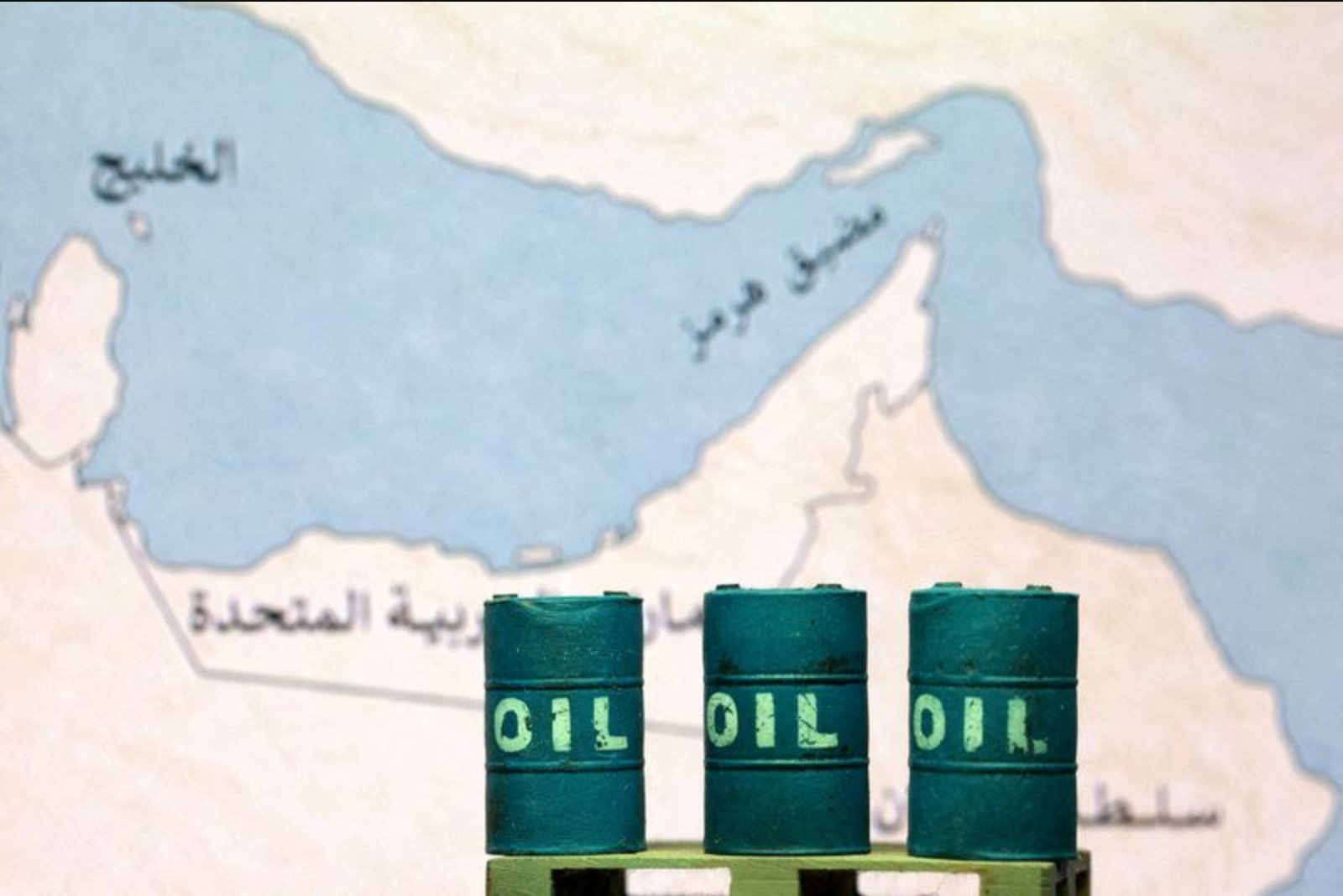
Markets have so far rallied on hopes tied to an AI-led technology cycle and the prospect that the conflict involving Iran will be contained quickly. Those forces - led by hyperscale cloud providers, semiconductor manufacturers and software firms - have helped push the S&P 500 to record highs. Yet beneath the surface, the physical oil market paints a far more constrained picture, one that could presage a sharp rise in the cost of energy for the global economy.
Price pressures are already evident in business activity surveys and in rising consumer inflation expectations. Still, aggregate growth and labour markets remain relatively stable, and central banks appear prepared to weigh the macro effects of the conflict before moving decisively on policy. That backdrop supports investor confidence in financial assets, even as physical energy markets diverge from futures contracts.
The distinction is important. Futures markets reflect market participants' perceptions and expectations, while the physical market records the actual exchange of crude and refined products. Currently, physical barrels of crude are changing hands at around $130 per barrel - roughly 70% higher than levels in February - whether sourced from North Sea Forties, Angolan Cabinda or Norway's Troll. By comparison, Brent futures are trading near $110 a barrel, about 50% above late-February levels. Futures for Brent with delivery in 12 months are priced above $80 a barrel, around 20% higher than late-February.
"The physical markets reflect the reality on the ground and the futures market reflects more perceptions and hopes," said Tamas Varga, an analyst at energy broker PVM Oil Associates. "One might say that physical markets are the true reflection of actually what’s happening around the Strait of Hormuz."
The Strait of Hormuz, a critical conduit for seaborne oil flows, has been effectively closed, according to participants tracking the disruption. That waterway normally carries about 20% of global energy supplies. Commodity traders and energy firms are quantifying losses: the world’s largest oil trader estimates as much as 1 billion barrels of supply could be removed from markets by the time conditions normalise.
Senior international energy officials have urged preparedness for higher prices. In April, the head of a major international energy agency warned that current price levels do not capture the full dimensions of the unfolding supply shock and that the world should prepare for materially larger price increases.
Market strategists and asset managers are assessing the duration and scale of the disruption. A rule of thumb cited by a chief economist within a wealth management group suggests an oil shock needs to persist for between three and six months to have a sustained effect on inflation. One strategist at that firm said the market has not yet reached that window but warned it could do so soon. The same strategist said her firm was neutral on equities but preferred commodity-linked opportunities such as shipping and warehousing.
Trading desks are stress-testing extreme scenarios. Executives at major commodity houses have modelled price paths in which crude reaches $200 to $300 a barrel. Those scenarios reflect concerns about the potential for a prolonged squeeze on available barrels and the knock-on effects for refined products and logistics.
Fixed income managers are also adjusting positions. One public fixed income chief investment officer described industry sentiment that it is complacent to assume the dislocation will not produce a toxic mix of high inflation and weak growth. He said he had adopted a more tactical stance on sovereign bonds, focusing on cross-country divergence and different yield curve dynamics.
Market-based indicators of inflation expectations have moved higher. Inflation swaps show investors price U.S. inflation at roughly 3.53% in one year and about 2.75% in five years, both above the Federal Reserve's 2% target. These measures were nearer 2.4% in February, prior to the outbreak of the conflict, according to financial market data. Comparable shifts in inflation expectations have been observed in the euro area and the United Kingdom.
Some investors are maintaining exposure to profitable AI-related technology companies while offsetting that risk with allocations to dividend-growing equities, infrastructure and real assets such as real estate and gold miners. Those moves reflect a desire to balance participation in the tech-led rally with protections against inflation and geopolitical disruption.
There is a tendency for markets, over time, to reprice risks, adapt supply chains and revert attention back to long-term structural themes. Yet analysts caution that major geopolitical ruptures can alter those very long-term trajectories. Observers say it is often only after markets react that participants realise a tipping point has been reached.
"You won’t know it’s a tipping point till the market reacts to it," said a discretionary portfolio manager for ultra-high-net-worth clients in Asia. "We just have to wait and see and be nimble. Everybody has one finger on the trigger."
Beyond the immediate military stakes, strategists highlight the risk that the crisis shifts broader policy and public attitudes. They note that, in a relatively short period, recent shifts in U.S. trade and international relations have introduced elevated uncertainty about America’s role as an economic and security partner. Political strategists argue the situation is about more than the duration of the war - it is about how a wider rupture is reshaping policy and perceptions.
Analysts warn that by the time geopolitical risks fully reach financial markets, it is often too late to take mitigating action. For investors and companies exposed to energy, shipping, logistics, inflation-sensitive consumer sectors and sovereign debt, the coming weeks and months could determine whether a temporary shock evolves into a sustained structural problem.
Summary
Equity markets have rallied on AI-driven growth and steady macro indicators, but physical crude markets are pricing a much tighter supply situation. Physical barrels trade roughly 70% above February levels while Brent futures trade about 50% higher. The effective closure of the Strait of Hormuz and estimates of up to 1 billion barrels of lost supply underpin trader stress tests of extreme price scenarios. Inflation expectations and market-based inflation measures have risen, prompting some investors to hedge with commodity-linked plays, infrastructure and real assets.
Key points
- Physical oil prices near $130 a barrel - about 70% above February - signal tighter supply than futures currently imply; futures trade near $110 with one-year Brent above $80.
- The Strait of Hormuz disruption affects roughly 20% of seaborne energy flows and has led to estimates that 1 billion barrels could be lost before markets recover, amplifying stress tests for $200 to $300 crude scenarios.
- Inflation expectations and inflation swaps have risen, leading investors to tilt toward commodity-linked sectors, shipping, warehousing, infrastructure and real assets as hedges.
Risks and uncertainties
- Duration risk - if the oil supply disruption lasts three to six months, it may produce a sustained inflationary impulse that could affect consumer prices and monetary policy decisions; this impacts consumer goods and services sectors sensitive to energy cost pass-through.
- Market complacency - assumptions that the shock will be short-lived may leave investors and fixed income portfolios exposed to a period of stagflationary pressure, affecting sovereign bond yields and credit-sensitive sectors.
- Structural policy shift - geopolitical ruptures could alter long-term trade and security arrangements, creating uncertainty for multinational supply chains and sectors reliant on stable international relations.